
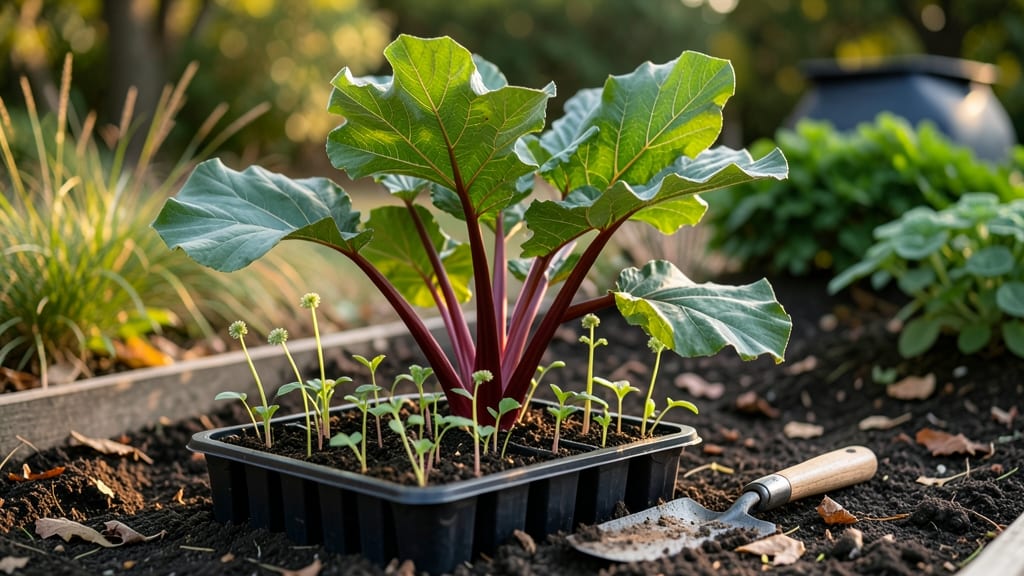
When to Plant Rhubarb in Indiana: USDA Zone 5-6 Timeline for Strong Root Growth

Plants

When to Plant Rhubarb in Indiana: USDA Zone 5-6 Timeline for Strong Root Growth

Plant rhubarb in Indiana between mid-March and early April for the best chance at hardy roots and a bountiful harvest—just before the last frost date in your USDA Zone 5b-6b area.

Indiana’s unpredictable spring weather can make or break your rhubarb harvest—but planting at the right time ensures hardy roots and abundant stalks for years. Timing isn’t just about avoiding frost; it’s about giving rhubarb’s slow-starting growth the perfect head start.

If you’ve ever waited too long and watched your crowns struggle in fluctuating temperatures, you know how critical this window is. The key is preparing the soil in late winter and planting crowns 4-6 weeks before the last frost, usually by early April.

Below, I’ll break down the exact steps for Indiana gardeners, from soil prep to post-planting care, so your rhubarb thrives from day one.

🌱 When to Plant Rhubarb
Jan ❄️
Feb 🌱
Mar 🌱
Apr 🌱
May 🌱
Jun ☀️
Jul ☀️
Aug ☀️
Sep 🍂
Oct 🍂
Nov 🍂
Dec ❄️
Ideal Time
Also Good

Optimal planting windows in Indiana (USDA Zones 5-6): month-by-month breakdown

Indiana’s USDA Zones 5b-6b create a unique challenge for rhubarb growers—late frosts can linger into April, while soil temperatures must reach 40°F (4°C) before planting.

Unlike many perennials, rhubarb’s crowns thrive when planted 4-6 weeks before your area’s last frost date, giving roots time to establish before summer heat arrives.

Southern Indiana (e.g., Evansville) typically enjoys 2-3 weeks earlier planting windows than northern areas (e.g., South Bendmicroclimates and urban heat islands. For example, March 15 might be ideal in Vincennes, while April 1 is safer in Gary.

Always check your local frost data—Indiana’s average last frost ranges from April 15 (south) to May 1 (north).

Spring planting is the gold standard for rhubarb in Indiana, with 85% survival rates when planted correctly. Fall planting is riskier due to winter heaving (roots pushing above soil) and poor dormancy in wet Indiana winters. If you must plant in fall, aim for late September in southern Indiana or early October in the north, ensuring roots have 6 weeks to establish before first frost.

Here’s your month-by-month Indiana rhubarb planting guide, tailored to crowns vs. bare roots and regional adjustments:

Month Optimal Planting Window Soil Temp Threshold (°F) Crown Planting Bare Root Planting Indiana-Specific Notes
February ❌ Not recommended Too cold ❌ Avoid ❌ Avoid Soil too frozen; risk of frost damage
March ✅ Southern IN: Mid-March
⏳ Northern IN: Late March
40°F (4°C) ✅ Ideal ✅ Possible (soak roots) Use row covers if late frost risk
April ✅ Northern IN: Early April
⏳ Southern IN: Early April (if late frost)
45°F (7°C) ✅ Best window ✅ Best window Avoid waterlogged soil (common in April)
May ⚠️ Late planting 50°F (10°C) ⚠️ Risk of bolting ⚠️ Risk of bolting Use shade cloth if planting late
September ✅ Southern IN only 50°F (10°C) ⚠️ Limited success ❌ Not recommended Plant 6 weeks before frost
October ❌ Avoid

5 Critical factors that determine your planting success in Indiana’s climate

Indiana’s clay-heavy soils and temperature swings demand extra attention when planting rhubarb. The right soil conditions and drainage can mean the difference between a thriving plant and one that struggles.

Start by testing your soil pH—rhubarb thrives in 6.0–7.0—and amend accordingly. Indiana’s heavy clay often needs organic matter to loosen compaction.

Proper drainage is non-negotiable. Rhubarb’s roots rot quickly in soggy soil, a common issue in Indiana’s wet springs. Dig a 12-inch-deep hole and mix in compost or sand to improve aeration.

If your yard floods, choose a raised bed or slightly elevated spot. Mulching with 3–4 inches of straw helps regulate soil temperature and retain moisture.

Organic vs. Synthetic Soil Amendments for Indiana Clay

Organic Amendments

  • Pros: Improves soil structure long-term, adds nutrients naturally.
  • Cons: Takes longer to break down; may attract pests if overused.

Best for: Heavy clay soils needing gradual improvement.

Examples: Compost, leaf mold, well-rotted manure.

Synthetic Amendments

  • Pros: Fast-acting, improves drainage immediately, precise nutrient control.
  • Cons: Can alter soil chemistry over time; less sustainable.

Best for: Quick fixes or highly compacted areas.

Examples: Perlite, vermiculite, synthetic fertilizers.

🌱 Indiana Tip: Mix 50% organic (compost) and 50% synthetic (perlite) for balanced results.

When prepping the planting hole, avoid burying the rhubarb crown too deep. The top should sit just below soil level—any deeper risks crown rot. After planting, water deeply to settle the soil and encourage root contact.

In Indiana’s variable springs, a cold frame can protect young plants from late frosts while allowing sunlight to penetrate.

Mulching isn’t just for weeds—it’s a temperature buffer. In Indiana, mulch with straw or shredded leaves to protect roots from freeze-thaw cycles. Replenish mulch annually, especially after Indiana’s hot summers, to keep roots cool. Avoid thick layers that smother the plant or trap excess moisture.

Finally, monitor your rhubarb’s first-year growth. If stalks appear weak, it’s often a sign of poor drainage or nutrient deficiency. Side-dress with a balanced fertilizer (10-10-10) in early spring, but avoid over-fertilizing—rhubarb prefers moderate fertility.

Indiana’s clay soils can lock out nutrients, so a soil test is worth the investment.

With these 5 critical factors—soil pH, drainage, mulching, planting depth, and fertilization—your rhubarb will establish strong roots and reward you with years of harvests. Start now, and you’ll be feasting on fresh stalks by next May! 🌱

★★★★★5.0(4 reviews)
Categories Plants