
Plants
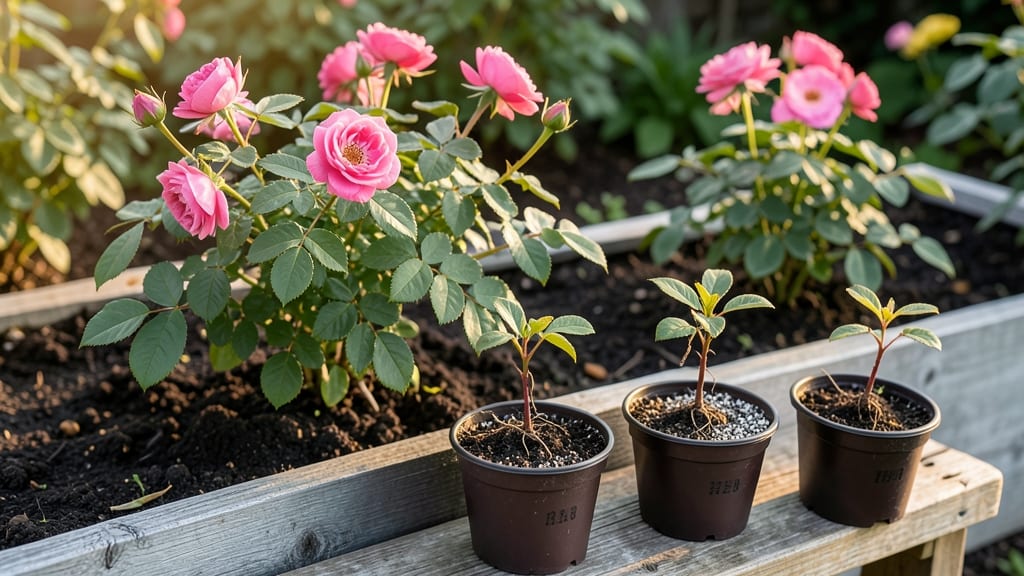
Planting roses in Wisconsin at the right time means the difference between vibrant blooms all season and struggling plants that barely survive.
Wisconsin’s unpredictable climate can make or break your rose garden—planting at the wrong time risks frost damage or stunted growth, while perfect timing ensures thriving 🌹 from spring to fall.
Most gardeners in USDA zones 4a-6b should aim for early spring (April-May) or fall (September-October), but soil temperatures and local frost dates play a bigger role than you might think.
Below, I’ll break down the exact windows for bare-root vs. potted roses, how to prep your soil, and the care tricks that keep Wisconsin’s roses blooming like champions—even with our wild weather swings.
Wisconsin rose planting zones: USDA 3-5 and their ideal timing
Wisconsin’s USDA zones 3-5 create unique challenges for rose gardeners, where late spring frosts and early fall freezes demand precise timing. In Zone 3 (northern WI), average last frost dates hover around May 15, while Zone 5 (southern WI) typically sees frost-free conditions by April 20.
These variations mean your hybrid tea roses in Madison may thrive with spring planting, while shrub roses in Green Bay need fall planting to avoid winter heave.
Soil temperatures play a critical role—roses need 50°F+ soil to establish roots. In Zone 4 (central WI), this usually occurs by mid-April, but microclimates near lakes or urban areas can shift timing by 2-3 weeks.
For example, Milwaukee’s urban heat island effect may allow earlier spring planting compared to rural Zone 4 areas like Wausau.
Understanding these zone-specific patterns prevents common mistakes like planting bare-root roses too early (risking frost damage) or container-grown roses too late (limiting root establishment). Let’s break down the ideal windows for each zone and rose type to maximize your garden’s success.
For Zone 3 gardeners, fall planting (September) is often safer than spring, as shrub roses like Rugosa establish roots before winter. In contrast, Zone 5 areas can successfully plant hybrid tea roses as early as April 1, thanks to milder winters.
Always check your local frost-free date—Wisconsin’s National Weather Service provides county-specific forecasts that can shift your timeline by weeks.
Climbers and large-flowering varieties (like Grandiflora roses) benefit from spring planting in Zone 4, as their extensive root systems need the entire growing season to anchor.
Meanwhile, dwarf varieties (under 3 feet) are more adaptable and can handle fall planting even in Zone 3, provided they’re well-mulched before first frost.
Soil drainage becomes critical in Zone 3, where heavy clay soils can cause root rot if planting occurs during late spring rains. Amend your soil with compost and sand 4–6 weeks before planting to improve drainage.
In Zone 5, focus on organic matter to retain moisture during summer droughts—a common issue in southern Wisconsin.
Pro tip: Use a soil thermometer to confirm 50°F+ soil temperatures before planting. In Zone 4, this often aligns with mid-April, but cold snaps can push it to early May.
For bare-root roses, soak roots for 4–6 hours before planting to reduce transplant shock—a must in Wisconsin’s dry springs.
Don’t overlook microclimates—a south-facing slope in Zone 3 might warm 2–3 weeks earlier than a north-facing yard. Test your site by planting radishes (fast-growing indicators) in March to gauge warmth. In urban areas, concrete and pavement can create heat islands, allowing earlier spring planting than rural zones.
Finally, fall-planted roses
Step-by-step guide: how to time your rose planting for Wisconsin’s climate
Wisconsin’s variable climate demands precise timing when planting roses—miss the window, and you risk frost damage or weak root establishment. The key is balancing last frost dates, soil temperatures, and moon phases to give your roses the best start.
Whether you’re planting bare-root or container-grown roses, these steps will help you navigate Wisconsin’s unpredictable spring and fall seasons.
Before diving in, check your local frost records—Wisconsin’s USDA zones 3-5 average last frosts between April 15 (southern regions) and May 15 (northern areas). For fall planting, aim for 6-8 weeks before first frost, typically mid-September in most areas.
Use a soil thermometer to confirm temperatures are above 50°F (10°C)—roses won’t thrive in colder soil.
✅ Step-by-Step Planting Timeline for Wisconsin Roses
- Step 1: Test Soil & Amend
Use a soil test kit to check pH (ideal: 6.0-6.5). Amend with compost or peat moss to improve drainage. Wisconsin’s clay-heavy soils benefit from sand or perlite additions.
- Step 2: Prune Bare-Root Roses
Trim damaged roots and shorten canes by 1/3. Soak bare-root roses in water for 1-2 hours before planting to rehydrate roots.
- Step 3: Plant at the Right Moon Phase
For spring planting, aim for a waxing moon (root growth phase). In fall, plant during a waning moon to encourage root development before dormancy.
- Step 4: Dig the Hole & Plant
Dig a hole twice as wide as the root ball but no deeper. Place the rose so the graft union is 2 inches below soil. Backfill with native soil mixed with compost.
- Step 5: Water & Mulch
Give newly planted roses a deep watering (1-1.5 gallons). Apply 3-4 inches of mulch (straw or wood chips) to retain moisture and protect roots from frost heave.
- Step 6: Monitor & Protect
Install frost cloth if late frosts threaten. Water deeply once weekly during dry spells. Avoid fertilizing until new growth appears (typically 4-6 weeks post-planting).
Wisconsin’s northern regions (like USDA Zone 3) should prioritize container-grown roses for fall planting—they establish faster and tolerate cooler soils. In southern zones (Zone 5), you can extend fall planting into early October, but monitor weather forecasts closely.
Pro tip: Mark your planting dates on a garden calendar to avoid last-minute rushes!
Post-planting care is just as critical as timing. Water deeply every 7-10 days (more often in drought-prone summers) and avoid wetting foliage to prevent black spot disease. In early June, apply a balanced fertilizer (10-10-10) to encourage blooms.
For fall-planted roses, hold off on fertilizing until spring to avoid stimulating tender new growth before winter.
Remember, Wisconsin’s microclimates can vary dramatically—urban areas like Milwaukee may warm up faster than rural northern Wisconsin. When in doubt, plant 2-3 weeks later than the average date to account for delays.
With the right timing and care, your roses will reward you with vibrant blooms from June through September.
🌹