
Plants
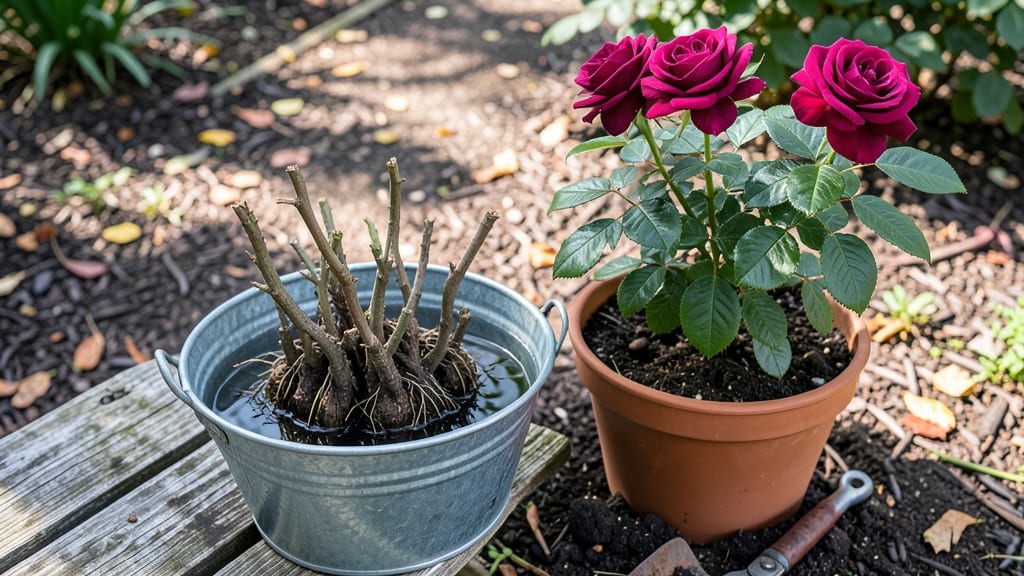
Planting roses in Zone 5 at the right time ensures strong roots and vibrant blooms year after year.
Picture this: you’ve chosen the perfect 🌹 variety, amended your soil, and even picked the sunniest spot—but if you plant too early, frost will nip tender growth, and too late means weak establishment before winter.
The key is timing those 4-6 weeks before your last frost, when soil is workable but still cool enough to prevent stress.
Zone 5 gardeners face unique challenges: unpredictable frost dates, heavy clay soils, and the race to get roots established before winter. But with the right preparation—like mulching, soil amendments, and choosing cold-hardy varieties—you can turn those early spring weeks into a game-changer for your roses.
In this guide, I’ll break down the exact weeks to plant, how to prep your roses (bare-root vs. container), and the most important steps to keep them thriving through their first winter. No more guesswork—just strong, healthy roses that reward you with blooms for decades.
Zone 5 rose planting timeline: exact weeks before last frost for strong root establishment
Timing your rose planting in Zone 5 is all about giving roots a head start before summer heat arrives. Planting 4-6 weeks before your last frost date ensures roots establish before soil temperatures exceed 60°F (15°C)—the threshold where roses shift from root growth to top growth.
This window typically falls in late April to early May for most of Zone 5, but regional variations matter.
For example, western Zone 5 (e.g., Denver, CO) often sees last frosts in mid-April, while eastern Zone 5 (e.g., Chicago, IL) may wait until early May.
Use your local frost date calculator (like the USDA’s or Old Farmer’s Almanac) to pinpoint your exact window. Soil temperature, not air temperature, is the real guide—roots won’t thrive until the ground warms to 50°F (10°C) consistently.
Here’s why this timing works: Roses planted too early (before 4 weeks out) risk frost damage to tender new shoots, while planting too late (after 6 weeks out) delays root establishment, leaving them vulnerable to summer heat stress.
The 4-6 week window balances these risks by aligning with root flush—when roses naturally prioritize underground growth before shooting upward.
If you’re planting bare-root roses, this timeline is critical—their roots are dormant but delicate. Soak roots in lukewarm water for 1-2 hours before planting to rehydrate them, then plant within 24 hours of purchase.
For container-grown roses, you have slightly more flexibility but still aim for the 4-6 week window to avoid transplant shock from summer heat.
One common mistake is relying on air temperature alone. A 50°F (10°C) morning might feel chilly, but if the soil is already 55°F (13°C), it’s safe to plant. Use a soil thermometer ($10 at garden centers) to check—insert it 6 inches deep in the afternoon for accuracy.
If soil temps are below 50°F (10°C), wait another week.
For Zone 5 gardeners in microclimates, like urban areas with concrete heat islands or north-facing yards, adjust your window by 1-2 weeks later. These spots stay cooler longer, delaying soil warming.
Conversely, south-facing slopes or raised beds warm faster—plant 1-2 weeks earlier if your soil hits 50°F (10°C) ahead of schedule.
Pro tip: Mark your last frost date on your calendar and count backward 5 weeks to set your planting deadline. If you miss this window, fall planting (September) is your next best option—just ensure 6-8 weeks before first frost to allow roots to harden off before winter.
This gives roses time to establish secondary roots before dormancy.
Remember, root establishment is the goal. A rose with 6+ inches of roots by summer will outperform one planted later, even if it blooms slightly later. Prioritize deep watering (1-1.5 gallons per plant) after planting to encourage root growth downward, not upward.
Mulch with 3-4 inches of organic mulch to insulate soil and retain moisture—this keeps roots 5-10°F cooler in summer, reducing stress.
Finally, don’t fertilize at planting—wait until 4-6 weeks after to avoid burning tender new roots. Use a balanced fertilizer (10-10-10) lightly to
How to prepare roses for Zone 5 planting: soil, mulch, and pre-winter care
Preparing your Zone 5 garden for roses starts months before you even plant. The clay-heavy soils common in this zone can suffocate roots if not amended properly, while poor mulching leaves plants vulnerable to winterkill.
I’ve learned that soil pH and organic matter make all the difference between thriving roses and struggling shrubs.
For bare-root roses, timing is everything—planting too early means roots freeze, while waiting too long delays establishment. Container roses, however, offer more flexibility, but they still need proper soil prep to transition smoothly.
Let’s break down the essential steps to set your roses up for success, including the critical soil amendments and mulching techniques that protect them through Zone 5’s harsh winters.
⚠️ Zone 5 Planting Warning
Planting roses in Zone 5 too early (before soil temps hit 50°F) risks root rot from cold, wet soil. Wait until 4-6 weeks before your last frost date—typically mid-April to early May—when soil is workable but not yet baking hot. Fall planting (September-October) also works, but roses need 6-8 weeks to establish roots before winter.
Pro tip: Test soil moisture—if it’s still frozen at 6 inches deep, wait. Use a soil thermometer to confirm temps are stable above 45°F.
First, test your soil’s pH—roses thrive in 6.0-6.5, and Zone 5’s native clay often skews acidic. Amend with lime (for pH >6.5) or sulfur (for pH <6.0) 2-3 months before planting.
I mix in composted manure or well-rotted leaves to improve drainage and add nutrients. For heavy clay, blend in sand or perlite to prevent compaction.
When planting bare-root roses, soak roots overnight to rehydrate them. Dig a hole twice as wide as the root ball and place the bud union 2-3 inches above soil level—this prevents rot.
For container roses, remove the plant from its pot, loosen roots, and trim any circling growth. Both types benefit from a 5-10-10 fertilizer mixed into the backfill soil to kickstart growth.
Mulching is non-negotiable in Zone 5. Apply 3-4 inches of organic mulch (straw, shredded bark, or leaves) around the base, keeping it 6 inches away from the stem to avoid rot.
This insulates roots in winter and retains moisture in summer. I top-dress with compost annually in early spring to replenish nutrients lost over winter.
Avoid these common mistakes: Over-mulching (suffocates roots), using fresh wood chips (depletes nitrogen), or planting in low spots where water pools. Also, prune only after planting—never before—to reduce stress. With the right prep, your roses will bloom vigorously and survive Zone 5’s winters like a pro. 🌹