
Plants
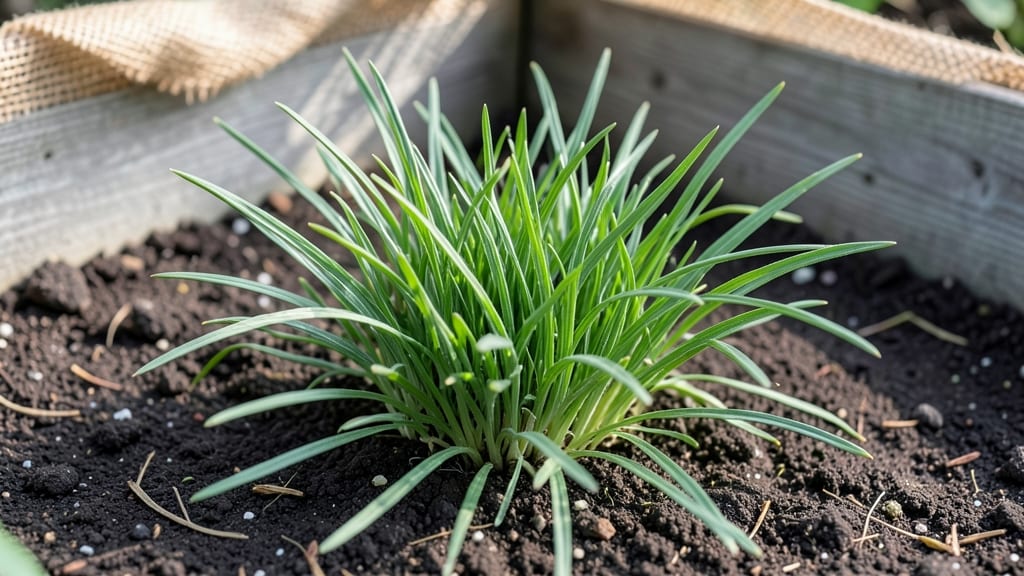
To plant ryegrass in Alabama’s 7a-8b zone, aim for late summer to early fall—August through October—when soil stays warm but nights cool enough to slow weed competition.
Alabama’s warm winters and unpredictable fall weather make timing your ryegrass planting critical—get it wrong, and you’ll either waste seed or risk poor establishment before frost.
Most gardeners in North Alabama should seed by mid-October to give roots time to anchor before the first frost, while Southern Alabama can push it closer to November. Spring plantings are possible in February, but overseeding in fall delivers thicker winter cover and fewer summer weeds.
Here’s how to align your planting with Alabama’s microclimates, soil prep needs, and the 4-6 week window before frost that makes all the difference in success.
Best planting windows for ryegrass in Alabama’s Zone 7b/8a climate
Alabama’s Zone 7b/8a climate creates unique challenges for ryegrass planting—too early, and summer heat stresses seedlings; too late, and frost arrives before establishment. The ideal window spans late August through mid-November, but regional microclimates demand precision.
North Alabama’s cooler temps shift windows earlier, while South Alabama’s warmth extends them slightly. Let’s break down the perfect timing for your location.
Ryegrass thrives when soil temperatures hover between 55°F and 75°F—ideal for seed germination and root development. In Alabama, this typically occurs after Labor Day but before mid-October in most areas.
However, soil thermometers are your best friend here; planting when temps drop below 60°F risks poor germination. I always test my soil for 2-3 days before seeding to confirm conditions.
Here’s the key difference between North and South Alabama: North Alabama (e.g., Huntsville, Decatur) should plant by October 1st to avoid early frost, while South Alabama (e.g., Mobile, Dothan) can extend seeding until November 15th.
The first frost date varies by 10-14 days between these regions—don’t guess, check your local Alabama Cooperative Extension frost maps.
For overseeding existing lawns, I recommend starting 4-6 weeks before your first frost—this gives ryegrass time to establish before winter sets in. In Alabama, that’s typically mid-September to early October.
If you’re establishing a new ryegrass lawn, extend the window slightly later (up to October 30th) since established grass handles cooler temps better than seedlings.
One mistake I’ve seen Alabama gardeners make is planting too early (June/July) when summer heat stresses seedlings. Ryegrass can germinate in 7-14 days when conditions are right, but high daytime temps above 85°F slow growth and increase disease risk.
If you must plant early, use shade cloth and daily watering to protect young plants.
Humidity also plays a role—Alabama’s high humidity can promote fungal diseases like dollar spot if seedlings aren’t established properly. I always water deeply in the morning (1/2 inch per week) and avoid overhead sprinkling after 6 PM to keep foliage dry.
For large lawns, consider using a soaker hose system to maintain consistent moisture without wetting leaves.
Don’t overlook soil preparation—Alabama’s clay-heavy soils can compact easily. Before planting, I aerate the lawn in late summer to improve seed-to-soil contact. For new plantings, till the top 4-6 inches of soil and mix in compost to improve drainage.
Ryegrass prefers pH 6.0-7.0, so test your soil and amend if needed using lime (to raise pH) or sulfur (to lower pH).
If you miss the fall window, don’t despair—ryegrass can also be planted in late winter (February) for spring growth. However, this method is less reliable in Alabama’s variable spring weather, so fall planting remains the gold standard.
For maximum winter cover, aim to have your ryegrass fully established by November 1st—this gives it time to develop deep roots before dormancy.
Pro tip: Mark your calendar for September 15th—this is my sweet spot for Alabama’s Zone 7b/8a. By this date, summer’s worst heat has passed, soil temps are ideal, and you’re still 6 weeks out from average frost. Adjust based on your specific microcl
How to time ryegrass seedings for maximum winter cover density
Timing your ryegrass seedings in Alabama isn’t just about throwing seeds in the ground—it’s about creating a thick, competitive cover that smothers weeds before summer. The key lies in pre-emergence herbicide timing, precise seed depth, and consistent irrigation.
Get these steps wrong, and you’ll end up with patchy growth or wasted seed. Let’s break down the exact actions to take for a dense winter cover that outcompetes weeds year-round.
First, you’ll need to time your pre-emergence herbicide application perfectly. In Alabama’s Zone 7b/8a, apply herbicide 4-6 weeks before planting (typically mid-September for most regions). This window ensures the herbicide degrades enough to allow ryegrass seeds to germinate while still suppressing summer weeds.
Use products like pendimethalin or prodiamine, which break down in 60-90 days, aligning with ryegrass’s germination timeline.
Here’s your step-by-step guide to maximizing winter cover density:
- Test soil pH (ideal: 6.0-7.0)
- Add compost or lime if needed
- Mow existing grass short (1-1.5 inches)
- Seed depth: ¼ inch max (use a seed spreader)
- Avoid burying seeds too deep—light blocks germination
- Lightly rake soil to ensure seed-to-soil contact
- Water immediately after planting (keep soil moist but not soggy)
- Apply ½ inch water daily for 14 days (use a rain gauge)
- Switch to bi-weekly deep watering once established
- Apply starter fertilizer (10-20-10) at planting
- Top-dress with nitrogen (20-0-0) in late fall (October-November)
- Avoid over-fertilizing—too much nitrogen promotes weak growth
- Ryegrass tolerates light frosts but may brown with hard freezes
- If temps drop below 20°F, protect with straw mulch
- Resume watering lightly in spring (March) for regrowth
After planting, avoid mowing until ryegrass reaches 3-4 inches tall. This ensures roots establish deeply before summer heat arrives. In Alabama’s climate, overseeding in late September gives ryegrass enough time to germinate before the first frost (typically mid-November), while still providing a thick mat by winter.
If you plant too late, the grass won’t have time to compete with weeds before summer.
Pro tip: Use a slit seeder for overseeding—it creates micro-channels in existing turf, improving seed contact and germination rates. Pair this with a light mulch of straw to retain moisture and suppress weeds until your ryegrass establishes.
With these steps, you’ll have a dense, weed-smothering cover by December, ready to outcompete crabgrass and clover next spring.
🌾