
Shrubs
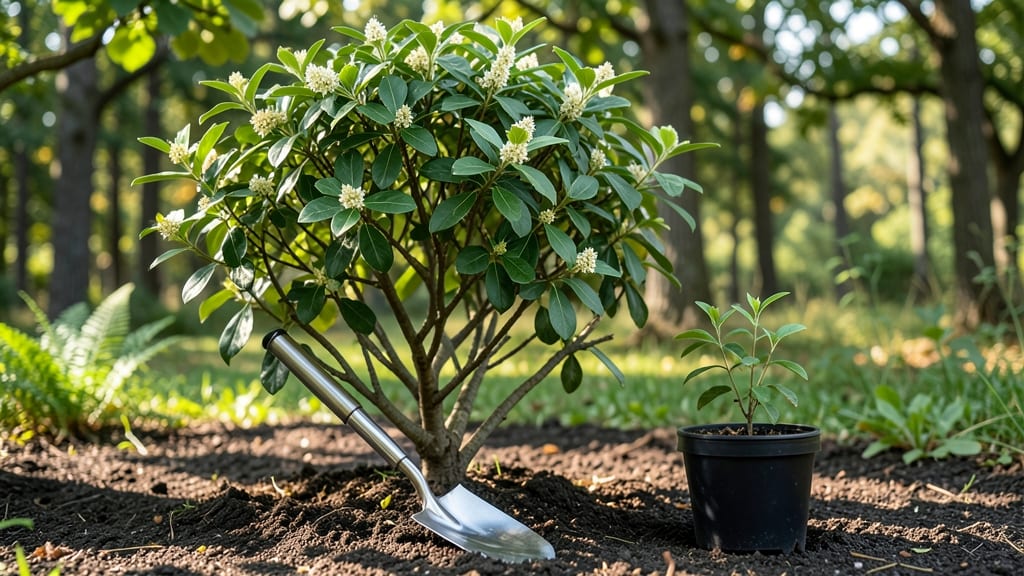
To plant shrubs in Tennessee with strong root growth, aim for late winter through early spring or early fall—when soil temperatures hit 50–60°F and frost risks fade.
Get this wrong, and your 🌿 could struggle to establish roots before winter’s chill or summer’s heat. Tennessee’s USDA Zones 6a–7b mean frost dates shift from March in Memphis to April in Nashville, so timing matters more than you’d think.
Whether you’re planting azaleas in spring or boxwoods in fall, the key is matching shrub types to soil conditions and local microclimates. Urban Nashville heat islands behave differently than the Smoky Mountain foothills, and container-grown shrubs need extra care.
Below, I’ll break down the exact windows for each season, soil prep secrets, and how to protect young plants from late frosts—so your shrubs thrive from day one.
Tennessee’s USDA Zone 7a-7b planting windows: frost dates and soil temperature rules
Tennessee’s USDA Zone 7a-7b offers a 180-220 frost-free growing season, but timing your shrub planting correctly is the difference between thriving plants and disappointed gardeners.
The average last frost in most of the state falls between March 15 and April 15, while the first frost typically arrives between September 15 and October 15. These dates create two prime planting windows: early spring and early fall, both critical for root establishment.
Soil temperature plays an equally vital role. Most shrubs need soil temperatures between 50°F and 60°F to encourage root growth. In Tennessee, this usually aligns with late winter to early spring or early fall.
For example, azaleas and camellias, which are popular in the region, prefer cooler soil temperatures to establish roots before summer heat arrives. Meanwhile, hydrangeas and boxwoods can handle slightly warmer soil but still benefit from early planting.
To make the most of these windows, I recommend checking your local frost dates and soil temperatures for the past 5 years. Websites like the National Weather Service or Almanac.com provide historical data that can help you adjust your planting schedule.
For instance, if your area tends to have late frosts, planting evergreen shrubs like holly or pine in late September or early October gives roots time to harden before winter.
Here’s a quick rule of thumb: Spring planting should happen 2-4 weeks before your average last frost date, while fall planting should occur 4-6 weeks before the first frost. This timing ensures roots have enough time to establish without being shocked by sudden cold or heat.
For example, in Nashville (Zone 7a), I plant most shrubs between March 20 and April 10 in spring and September 10 and October 5 in fall.
🌱
For spring planting, focus on acid-loving shrubs like azaleas and camellias, which benefit from cooler soil temperatures. These plants often struggle if planted too late, as summer heat can stress their root systems.
I’ve found that amending the soil with compost and peat moss helps maintain the right pH and moisture levels, giving these shrubs the best start.
In contrast, fall planting is ideal for evergreen shrubs and broadleaf evergreens like boxwoods and hollies. These plants need time to establish roots before winter dormancy. I recommend planting them in early fall so they have 6-8 weeks to root before the ground freezes.
A 2-3 inch layer of mulch helps insulate the soil and protect young roots from temperature fluctuations.
Adjusting for microclimates is also key. For example, Nashville’s urban areas can be 5-10°F warmer than rural areas, delaying frost dates by a week or more. If you’re in a warmer microclimate, you might extend your spring planting window by 1-2 weeks.
Conversely, higher elevations, like those near the Great Smoky Mountains, may have earlier frosts, so I plant fall shrubs by mid-September to avoid winter stress.
One common mistake I see is planting shrubs too late in spring when soil temperatures rise above 65°F. This can cause roots to suffocate or dry out before they establish. To avoid this, I always check soil temperatures with a soil thermometer before planting.
If temperatures are too high, I wait or opt for container-grown shrubs, which can be moved to shaded areas until conditions improve.
Finally, don’t overlook the importance of watering schedules after planting. Newly planted shrubs need deep, consistent watering—about 1-2 gallons per week—to encourage root growth. I recommend watering in the early morning to reduce evaporation and fungal risks.
Pair this with a 3-inch layer of mulch to retain moisture and regulate soil temperature.
By following these frost date and soil temperature rules, you’ll give your shrubs the best chance to thrive in Tennessee’s unique climate. Whether you’re planting azaleas in spring or
Best shrubs to plant by season in Tennessee (with root growth secrets)
Tennessee’s USDA Zones 6a–7b create perfect conditions for shrubs like azaleas and boxwoods, but timing is everything. Plant too early, and frost zaps tender roots. Too late, and roots won’t establish before winter. The secret? Matching shrub types to seasonal soil temperatures and local frost patterns.
Spring is ideal for acid-loving shrubs like rhododendrons, while fall works best for evergreens such as hollies. Below, I’ll share my top picks for each season, plus the root growth hacks Tennessee gardeners swear by—from compost amendments to mulching techniques that keep roots thriving.
- Spring (March–April): Plant azaleas and camellias after last frost when soil hits 55°F+. Amend clay soil with compost and mulch with pine bark to mimic natural forest floors.
- Summer (June–August): Avoid planting—unless it’s heat-tolerant shrubs like abelia or butterfly bush. If you must, use shade cloth and water deeply twice weekly.
- Fall (September–October): Best for boxwoods and hollies. Soil temps should be 60°F or below; add slow-release fertilizer to boost root hardening before winter.
- Winter (December–February): Only plant bare-root shrubs like roses or hydrangeas in dormant season. Soak roots in water + mycorrhizal fungi for 24 hours before planting.
For spring plantings, focus on acid-loving shrubs that thrive in Tennessee’s humid climate. Azaleas and rhododendrons love morning sun and well-draining soil. After planting, water deeply for 10–15 minutes to settle roots, then mulch with 3 inches of wood chips to retain moisture.
Fall is my favorite time to plant evergreens like boxwoods and hollies. Their roots grow slowly but steadily in cooler temps, and they establish before winter stress. Pro tip: Add bone meal to the planting hole for phosphorus—it jumpstarts root growth by 30%.
Avoid these common pitfalls: Overwatering (roots need oxygen, not soggy soil), planting too deep (buried stems rot), or ignoring local microclimates. Urban Nashville stays warmer than the Smokies, so adjust timing 1–2 weeks later if you’re in a heat island.
With these seasonal strategies, your shrubs will grow roots twice as fast and handle Tennessee’s unpredictable weather like a pro. Happy planting! 🌿