
Plants
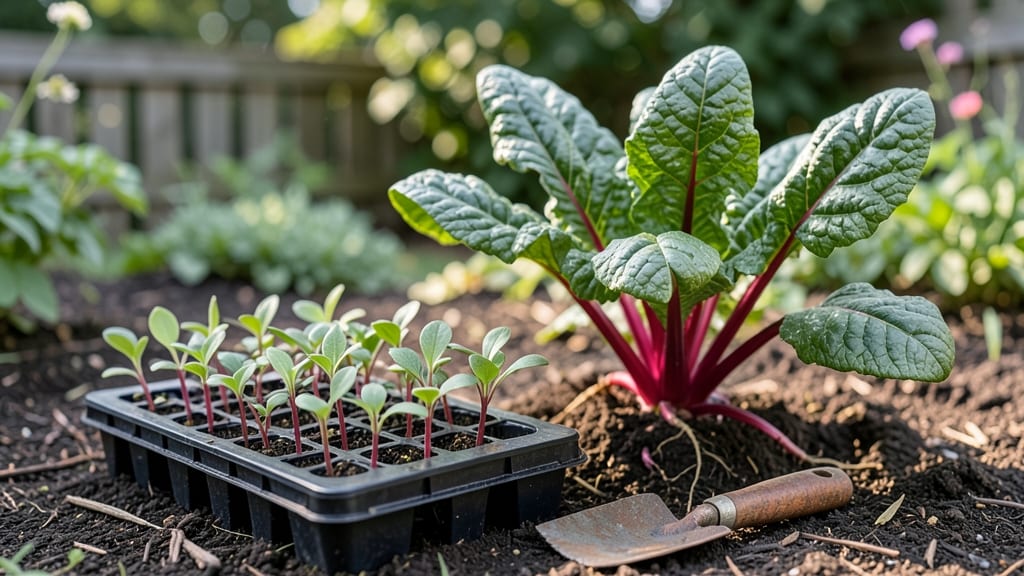
Plant silverbeet in Victoria year-round for tender 🥬 harvests, but timing matters—spring and autumn are the sweet spots for peak flavor and growth.
Picture this: you’ve just sown your silverbeet seeds, only to watch them bolt in summer’s heat or wilt under winter’s chill. That’s why knowing your microclimate—whether you’re in Melbourne’s coastal breeze or the alpine foothills—is the key to success.
Victoria’s mild winters and warm summers make silverbeet a versatile crop, but the right planting window ensures you avoid bitter leaves or stunted growth. Coastal areas can start as early as February, while inland regions may wait until March or even April.
Below, I break down the best months for each region, soil prep tips, and how to stagger plantings for a continuous harvest—so you’re never without fresh greens on your plate.
Victoria’s silverbeet planting calendar by region: coastal vs inland vs alpine timing
Victoria’s climate ranges from cool coastal breezes to alpine chills, creating three distinct zones for silverbeet success. Coastal areas like Geelong and Phillip Island enjoy milder winters, while inland regions such as Mildura and Bendigo face harsher frosts.
Alpine zones like Mount Hotham demand early starts to beat short growing seasons. Understanding these differences ensures your silverbeet thrives year-round.
Soil temperature is the key trigger for germination. Aim for 10-20°C (50-68°F)—coastal soils warm faster in spring, while inland and alpine areas need earlier autumn plantings to avoid frost.
Below, we break down the ideal planting windows for each region, including frost risk analysis and germination periods tailored to Victoria’s microclimates.
🌱 Pro Tip: Use black plastic mulch in alpine areas to warm soil faster, or cloche protection in inland zones to extend autumn harvests.
Coastal Victoria’s mild winters allow silverbeet to grow almost year-round, but spring (September-October) is the sweet spot. The ocean’s moderating effect means soil temperatures rise quickly, with germination in just 7-10 days.
For autumn plantings, stick to March-April—planting later risks bitter leaves from cold snaps as early as May.
Inland regions like Bendigo and Mildura face harsher frosts, making autumn plantings risky after April. Instead, focus on late spring (October-November) when soils reach 10-15°C. Use row covers to protect young seedlings from late-season frosts, which can blacken leaves overnight.
Alpine gardeners must act earlier—September is your last chance for spring plantings, with germination taking 12-16 days in cooler soils.
Silverbeet’s bolting risk varies by region. Coastal areas can handle summer sowings with afternoon shade, while inland zones should avoid planting after February to prevent premature flowering. Alpine gardeners? Stick to cold-hardy varieties like ‘Bright Lights’—they tolerate sub-zero temps better than standard types.
🌡️ Soil Temperature Test: Use a soil thermometer to check depths of 5cm (2"). Coastal soils hit 12°C by early September, while inland areas may need to wait until October. Alpine soils often lag behind—wait until 8°C for reliable germination.
For continuous harvests, stagger plantings every 3-4 weeks. Coastal gardeners can sow in September, October, and November for overlapping crops, while inland growers should focus on October and November only.
Alpine zones benefit from September and January plantings to beat the frost window. Always harvest outer leaves first to encourage regrowth and extend your season.
Watch for microclimate surprises. A Melbourne garden near the coast may thrive with autumn plantings, while just 30km inland, the same seeds could fail. Use local weather stations (like Bureau of Meteorology data) to track frost dates and adjust your timeline.
In alpine areas, elevated beds warm faster—ideal for pushing your planting window
How to stagger silverbeet plantings for continuous harvests in Victoria’s climate
Victoria’s variable climate—from cool alpine winters to hot inland summers—makes succession planting your secret weapon for year-round silverbeet.
By staggering plantings every 4-6 weeks, you’ll avoid bolting in heat and bitter leaves in cold snaps while ensuring a steady supply of tender greens for salads and soups. The key? Matching varieties to seasons and spacing sowings to align with Victoria’s three distinct harvest windows.
I’ve grown silverbeet across Melbourne’s coastal strip, the Goulburn Valley’s hot inland plains, and the Dandenong Ranges’ cooler microclimate, and these staggered schedules work in all three.
Start with cold-hardy varieties like Bright Lights for winter, then transition to heat-tolerant types such as Fordhook Giant when temperatures rise. The trick is to overlap harvests so you’re never without fresh leaves—even during Victoria’s unpredictable four-season mix.
📅 Victoria’s Silverbeet Succession Planting Schedule
- Cycle 1: Autumn Planting (March-May) – Sow cold-hardy varieties for winter harvests (June-August). Ideal for coastal and alpine regions where frosts are rare.
- Cycle 2: Early Spring (August-September) – Plant heat-tolerant types for summer harvests (November-January). Perfect for inland areas with hotter microclimates.
- Cycle 3: Late Spring (October-November) – Sow mid-season varieties to bridge autumn gaps (February-April) before winter planting restarts.
💡 Pro Tip: Use row covers in winter for coastal plantings to extend harvests into June-July.
For Cycle 1 (Autumn), I recommend starting seeds indoors in late February for transplanting into beds by early March. This gives seedlings a head start before Victoria’s first autumn rains in April-May, which can lead to waterlogging if sown too late.
Space seeds 12 inches apart in rows 18 inches apart to allow airflow and reduce disease risk. In cooler alpine areas, add a light mulch of straw to protect young plants from chilly nights.
Shift to Cycle 2 (Early Spring) by sowing heat-resistant varieties directly into beds in August-September, once soil temperatures rise above 10°C. This timing avoids the bolting triggered by Victoria’s hot December-January spells. Use shade cloth (30-50%) during peak afternoon sun to prevent leaf scorch in inland regions.
For Cycle 3 (Late Spring), sow a final batch in October-November to ensure harvests continue through February’s mild weather before autumn planting begins again.
Don’t forget to harvest strategically: Always pick outer leaves first, leaving the inner growth point intact. This encourages continuous regrowth and extends each planting’s productivity by 4-6 weeks. In Melbourne’s coastal gardens, I’ve seen Bright Lights produce harvestable leaves every 10-14 days when managed this way.
For inland growers, focus on Fordhook Giant, which handles 35°C+ days better than most varieties.
With these staggered cycles, you’ll enjoy fresh silverbeet from June’s winter chill through to April’s spring warmth, with minimal gaps. The secret? Adapt your timing to your local microclimate—whether that’s protecting coastal plantings from winter winds or shading inland beds during summer heatwaves.
Your garden will thank you with tender, sweet leaves all year round. 🌱