
Plants
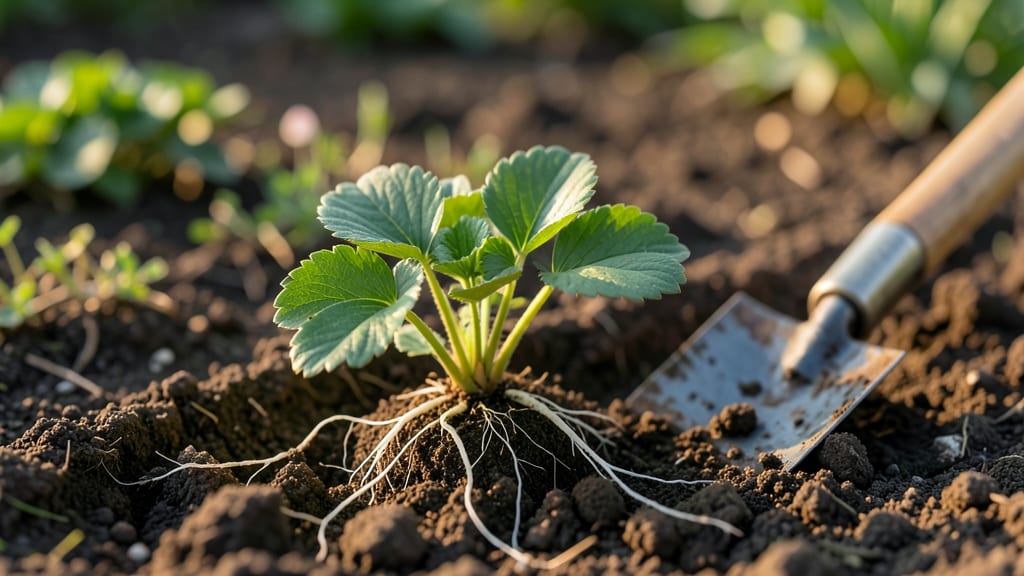
Plant strawberry roots in Zone 7 during early spring or late summer/fall for the best chance at strong, frost-resistant plants 🍓 — timing this right means the difference between a thriving patch and a sad, struggling one.
Too early, and a late frost will crisp your new plants before they even get a foothold. Too late, and they won’t have time to establish roots before winter sets in.
In Zone 7, where frosts can still sneak in as late as mid-November, getting this window right is critical for a harvest you’ll actually enjoy.
Below, I’ll break down the exact months that work best for your region—whether you’re in the cooler coastal areas or the warmer inland parts of Zone 7—plus how to prep your soil and protect your plants from unexpected cold snaps.
You’ll also learn how to spot the signs of a well-planted strawberry, avoid common mistakes that kill roots before they start, and keep your patch productive for years to come.
Optimal planting windows for strawberry roots in Zone 7
Strawberry plants thrive when planted at the right time—too early and frost will damage them, too late and they won’t establish strong roots before winter. In Zone 7, where average last frost dates range from mid-April to early May, timing is everything for a bountiful harvest.
The ideal planting windows are early spring and early fall, when soil temperatures and moisture levels support root establishment.
Zone 7 gardeners have two primary opportunities: early spring (March-April) and early fall (September-October). Spring planting gives strawberries time to establish before summer heat, while fall planting allows roots to grow before winter dormancy. Both windows avoid the highest frost risks while maximizing soil warmth for root development.
Here’s a quick reference for Zone 7 strawberry planting based on seasonal conditions:
| Planting Window | Soil Temperature | Frost Risk | Best Varieties | Notes |
|---|---|---|---|---|
| Early Spring (March-April) | 45-55°F (7-13°C) | Low (post-frost) | June-bearing, Everbearing | Plant when soil is workable; mulch heavily. |
| Late Winter (February) | 35-45°F (2-7°C) | Moderate (late frosts) | Everbearing, Day-Neutral | Use frost cloth; plant in containers for flexibility. |
| Early Fall (September-October) | 50-60°F (10-16°C) | Low (pre-frost) | June-bearing, Everbearing | Avoid planting after October 15 in most of Zone 7. |
| Late Fall (November) | Below 50°F (10°C) | High (frost imminent) | None (risky) | Roots won’t establish before winter dormancy. |
For spring planting, aim for late March to early April when soil temperatures consistently stay above 45°F (7°C). This gives roots 6-8 weeks to establish before summer heat stress. In Zone 7a (cooler microclimates), wait until mid-April to avoid late frosts that can blacken new growth.
Fall planting is my top recommendation for Zone 7 because it avoids summer heat and gives roots time to develop before winter. Plant between September 15 and October 15, ensuring 6-8 weeks of growth before the first frost.
Everbearing varieties like Seascape or Albion thrive in fall plantings and produce fruit the following year.
Soil temperature is critical—strawberry roots struggle below 40°F (4°C). Use a soil thermometer to confirm conditions. In Zone 7b (warmer microclimates), you can push fall planting to early November, but avoid planting after November 1 unless using row covers for frost protection.
If you miss the ideal windows, late winter (February) is a secondary option, but success depends on protecting plants from late frosts. Use frost cloth or plant in containers that can be moved indoors during cold snaps. Container-grown strawberries also warm up faster in spring, giving them a head start.
Regional variations within Zone 7 matter—coastal areas (like North Carolina’s Outer Banks) have milder winters and can plant slightly later, while inland areas (like Tennessee’s Nashville) face earlier frosts. Check your local frost dates and adjust planting by 2-3 weeks earlier or later as needed.
Pro tip: Soak bare-root strawberries for 1-2 hours before planting to rehydrate roots. This reduces transplant shock and speeds up establishment, especially in dry spring soils common in Zone 7. Mulch with straw or pine needles to retain moisture and regulate soil temperature.
Timing your strawberry planting in Zone 7 isn’t just about months—it’s about soil conditions, frost risk, and variety selection. By choosing early spring or early fall and preparing your soil properly, you’ll set your strawberries up for a productive first season and years of harvests to come. 🍓
How to prepare strawberry roots for planting in Zone 7’s climate
Preparing strawberry roots for Zone 7’s climate ensures your plants establish strong roots before the first frost around November 15. Start by selecting healthy, bare-root strawberries with firm, white roots and a plump crown.
The key is to handle them gently and prepare your soil to create the ideal growing conditions for these delicate plants.
Before planting, inspect the roots for any signs of rot or damage. Trim any mushy or brown roots with clean pruners, but avoid cutting healthy roots. This step is crucial for preventing disease and ensuring your strawberries thrive.
Once you’ve prepped the roots, focus on amending your soil to provide the perfect foundation for growth.
- Test and amend soil: Zone 7 soils often need extra organic matter. Mix in 2-3 inches of compost or well-rotted manure to improve drainage and fertility. Strawberries prefer a slightly acidic soil with a pH of 5.5-6.8.
- Choose the right location: Select a spot with 6+ hours of sunlight but provide afternoon shade in summer to prevent heat stress. Avoid low-lying areas where cold air settles, as this increases frost risk.
- Prepare planting beds: Loosen the soil to a depth of 12 inches to encourage root penetration. Add a 1-inch layer of sand if your soil is heavy clay to improve drainage.
- Soak roots before planting: Place bare-root strawberries in a bucket of water for 30-60 minutes to hydrate the roots. This helps them recover from transplant shock and establish faster.
- Plant at the correct depth: Position the crown (where leaves meet roots) at soil level. Burying it too deep can cause rot, while planting too high may expose it to frost damage.
- Space plants properly: Arrange strawberries 12-18 inches apart in rows spaced 2-3 feet apart. This spacing allows for airflow and makes future maintenance easier.
- Apply mulch immediately: Spread a 2-3 inch layer of straw or pine needles around each plant. Mulch conserves moisture, regulates soil temperature, and protects roots from frost.
After planting, water deeply to settle the soil and eliminate air pockets around the roots. Keep the soil consistently moist but not soggy, especially during the first 2-3 weeks as the plants establish.
In Zone 7, early fall plantings benefit from an extra layer of mulch before the first frost to insulate the roots and protect them through winter.
Monitor your strawberries for signs of stress, such as yellowing leaves or wilting, which may indicate overwatering or poor drainage. Adjust your care routine as needed, and remember that strawberries are perennial in Zone 7, meaning they’ll produce fruit for multiple seasons if given the right conditions.
With proper preparation, your strawberry roots will thrive and reward you with a bountiful harvest.
For added protection in late fall, consider covering your strawberry beds with row covers or frost blankets on nights when temperatures dip below 32°F. This extra layer of insulation can extend your growing season and give your plants a head start in spring.
With these steps, your strawberries will be well-prepared to face Zone 7’s climate challenges.