
Plants
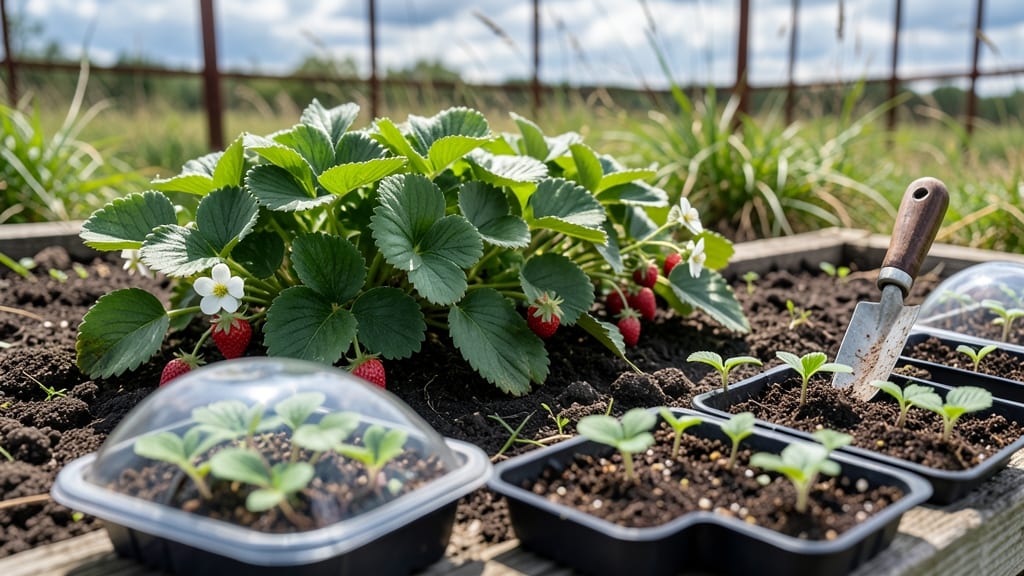
To plant strawberry seeds in Florida at the right time means timing them with the state’s three microclimates—coastal humidity, inland heat, and the Panhandle’s cooler pockets—so they thrive without bolting or rotting.
Picture this: You’ve got your seeds ready, the soil prepped, and then—bam—a sudden heatwave or downpour wipes out your seedlings before they even sprout. That’s why Florida’s year-round growing window isn’t as simple as “plant anytime.”
Here’s the secret: The ideal months shift depending on where you live—fall and winter for most of the state, but summer starts work surprisingly well in the Panhandle. I’ll break down the exact windows, plus how to stretch your harvest with succession planting.
You’ll also learn why bare-root plants often outperform seeds in Florida’s heat, how to prep soil for year-round success, and the one shade trick that saves strawberries from sunburn during summer’s brutal afternoons.
Florida’s 3 best planting windows for strawberry seeds by microclimate zone
Florida’s climate might seem like a gardener’s paradise, but its three distinct microclimate zones—North, Central, and South—create wildly different conditions for strawberry seeds. In North Florida (Zones 8a-9a), cooler winters demand precise timing, while South Florida (Zones 10b-11) offers year-round planting with heat management.
Even Central Florida (Zone 9b) has its own sweet spot. Let’s break down the optimal planting windows for each zone to ensure your strawberries thrive.
For seed-starting indoors, Florida gardeners have a 12-week head start advantage. Begin seeds indoors in July-August for North Florida or May-June for South Florida to transplant outdoors before extreme heat or cold sets in.
This timing prevents seedling shock and gives plants a strong root system before facing Florida’s humidity swings or summer downpours.
| Zone | Seed-Starting Indoors | Outdoor Transplanting | Key Considerations |
|---|---|---|---|
| North Florida (8a-9a) | July-August (12 weeks before first frost risk) | October-November or February-March | Avoid winter cold snaps (below 30°F); use row covers. |
| Central Florida (9b) | May-June or September-October | August-September or January-February | Monitor humidity spikes; provide afternoon shade in summer. |
| South Florida (10b-11) | Year-round (May-June or September-October preferred) | March-April or September-October | Watch for heat stress (above 90°F); mulch heavily. |
In North Florida, the October-November window is ideal for transplanting because soil temperatures stay mild, and daylight hours are long enough to support root establishment. If you miss this, February-March offers a second chance before summer’s intense heat arrives.
For Central Florida, the August-September transplanting period aligns with the monsoon season, providing natural irrigation—but be ready to drain excess water to prevent root rot.
South Florida’s tropical climate allows for year-round planting, but timing still matters. The March-April window avoids the peak summer heat, while September-October gives plants time to establish before hurricane season brings heavy rains. Always choose heat-tolerant varieties like ‘Sweet Charlie’ or ‘Seascape’ for South Florida’s challenges.
For all zones, soil temperature is critical. Strawberry seeds need soil between 65-75°F to germinate. Use a soil thermometer to check before planting. In North Florida, wait until soil warms to 65°F in spring or cools to 70°F in fall.
In South Florida, avoid planting when soil exceeds 85°F to prevent seedling death.
Mulching is non-negotiable in Florida. Apply 2-3 inches of straw mulch to retain moisture, suppress weeds, and protect roots from temperature fluctuations. In Central and South Florida, mulch also shields plants from scorching afternoon sun.
For North Florida, mulch acts as insulation against winter chills, keeping roots 5-10°F warmer than ambient air.
Don’t overlook shade cloth for summer plantings. A 30-50% shade cloth reduces heat stress and prevents sunburned leaves. In South Florida, use it from May-October; in Central Florida, apply it from June-August. Remove it in cooler months to maximize photosynthesis for fruit production.
Finally, succession planting extends your harvest. In North Florida, stagger plantings every 4-6 weeks from September-March. In South Florida, plant every 6-8 weeks year-round. This ensures a continuous supply of fresh berries and reduces the risk of disease outbreaks from overcrowding.
With these microclimate-specific timelines, your strawberry seeds will thrive year-round in Florida—no matter where you garden. Happy planting! 🍓
How to extend your strawberry growing season in Florida using succession planting
Florida’s warm winters and long growing season make it possible to enjoy fresh strawberries almost year-round—but only if you use succession planting to bridge seasonal gaps. Without careful timing, you’ll face harvest droughts between batches or struggle with heat stress in summer.
The key is staggering plantings every 4-6 weeks while protecting tender plants during extreme heat or humidity spikes.
Unlike northern climates, Florida’s USDA Zones 9a-11 allow for three distinct planting cycles annually, each tailored to avoid peak stress periods. Start with fall plantings when temperatures dip below 90°F, then follow with winter and early spring batches.
For summer harvests, use shade cloth and drip irrigation to prevent sunburn and root rot.
- 🌱 Cycle 1: Plant bare-root plants in September-October for winter harvests (Dec-Feb).
- 🌿 Cycle 2: Sow seeds indoors in November or transplant January for spring harvests (March-May).
- 🌞 Cycle 3: Use shade cloth (30-50%) for summer plantings (June-July), harvesting late summer/fall.
- ❄️ Pro Tip: Cold frames extend fall/winter harvests by 2-3 weeks in North Florida.
For summer plantings, focus on everbearing varieties like ‘Seascape’ or ‘Sweet Charlie’, which tolerate heat better than June-bearing types. Harden off seedlings gradually over 10-14 days before transplanting to avoid transplant shock.
Space plants 12-18 inches apart in raised beds or hanging baskets for better airflow and drainage—critical in Florida’s humid climate.
Shade cloth is your best friend during summer. Use 30% shade in June-July to reduce leaf scorch, then remove it by August to encourage fruiting. Pair this with drip irrigation set to run early morning to keep soil consistently moist without fungal issues. Mulch with straw or pine needles to retain moisture and suppress weeds, which thrive in Florida’s heat.
Monitor your plants for heat stress (yellowing leaves, curled foliage) or pests like strawberry weevils—common in summer. Apply neem oil preventatively or use row covers for organic protection. By rotating plantings and adjusting care for each cycle, you’ll enjoy continuous harvests from fall through spring, with minimal gaps.
Don’t forget to renew your soil between cycles. Amend beds with compost and a balanced 10-10-10 fertilizer before each new planting. This ensures your strawberries get the phosphorus they need for root development and potassium for fruit production, even in Florida’s nutrient-leaching sands.