
Plants
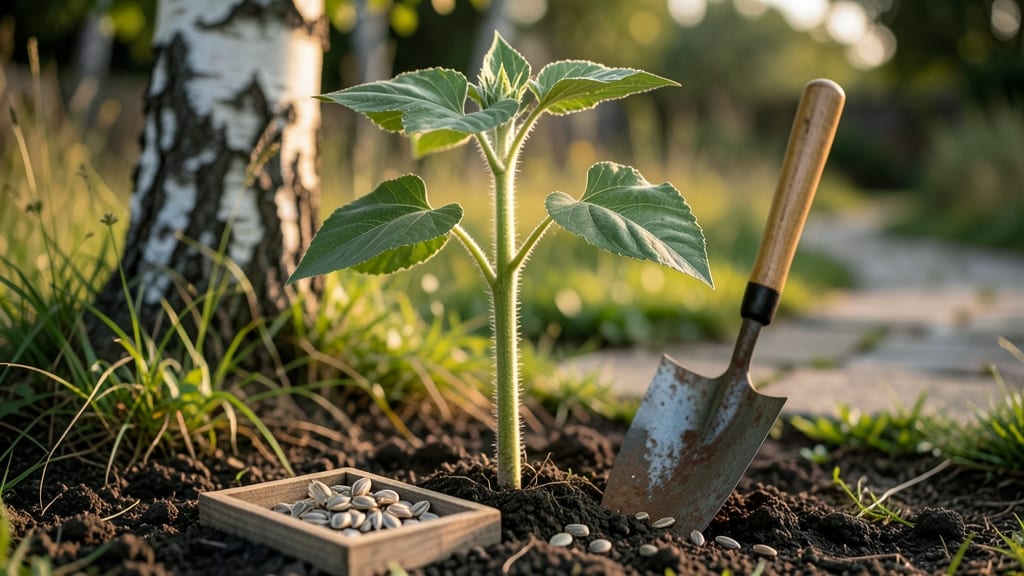
Plant sunflower seeds in Kansas between mid-April and mid-July for tallest blooms—timing that aligns with soil warmth and frost-free days in USDA Zones 5b-7a.
Kansas gardeners know sunflowers can reach towering heights—but only if planted at the perfect time. Miss the window, and you’ll get stunted blooms or weak stems.
With 165-200 frost-free days in most of the state, the ideal planting window starts after the last frost, when soil temperatures hit 50°F. That’s usually mid-April in southern Kansas and early May in the north.
Below, I break down the exact months for direct sowing, transplanting tips for giant varieties, and how to adjust for Kansas’ unpredictable weather—so your 🌻 sunflowers grow strong and tall.
Best planting dates for Kansas sunflowers (Zone 6-7) based on variety
Kansas’ USDA Zones 6-7 offer the perfect climate for growing sunflowers that reach 10+ feet, but timing is everything. Plant too early, and frost will nip tender seedlings.
Wait too long, and summer heat may stunt growth before blooming. The key is understanding soil temperature thresholds and variety-specific windows to maximize height and vigor.
For giant sunflowers (like 'Mammoth' or 'Russian Giant'), aim for mid-April to early May when soil warms to 50°F (10°C). Dwarf varieties (e.g., 'Teddy Bear') can tolerate cooler soils and may start as early as late March in southern Kansas.
Heirloom types like 'Autumn Beauty' thrive with late May to early June sowings to avoid bolting in summer heat.
Here’s your Kansas sunflower planting schedule broken down by variety, including soil temperature requirements and frost risk zones for northern vs. southern parts of the state.
Northern Kansas (Zone 6) has a longer frost risk—wait until after May 15 for giant varieties. Southern Kansas (Zone 7) can start 2–3 weeks earlier. Use a soil thermometer to confirm readiness; seeds won’t sprout below 50°F (10°C) for most varieties.
For direct seeding, drop seeds 1 inch deep and 6 inches apart. If transplanting starts, begin indoors 4–6 weeks before your target outdoor date. Harden off seedlings by placing them outdoors for 2–3 hours daily the week before transplanting to avoid shock.
Pro tip: Use black plastic mulch to warm soil faster in spring. This can shave 1–2 weeks off your planting timeline, especially for giant varieties that need every bit of growing time. Remove mulch once soil temps stabilize above 60°F (15°C) to prevent overheating.
If you’re aiming for taller-than-your-house sunflowers, prioritize early May plantings in Zone 6 and late April in Zone 7. Monitor weather forecasts for late frosts—even a 28°F (-2°C) dip can kill young plants. Use row covers if frost is predicted within 10 days of planting.
For dwarf varieties, early sowings in late March work well in southern Kansas, but cover seedlings with frost cloth if nights dip below 32°F (0°C). These compact types are ideal for containers or small gardens, blooming in just 50–70 days—perfect for
How to adjust planting time for Kansas’ unpredictable weather patterns
Kansas’ weather is famously unpredictable—one day brings late spring frosts, the next delivers scorching heatwaves. These swings can turn your sunflowers from towering giants into sad, stunted plants. The key is flexibility: knowing when to delay, protect, or extend your planting window based on local conditions.
For example, Wichita’s last frost average is May 10, while Topeka’s can linger until May 15. A 5-day delay in planting could mean the difference between a 12-foot sunflower and a 3-foot disappointment. Microclimates matter—urban areas like Lawrence warm faster than rural fields, so adjust accordingly.
Here’s how to hedge your bets when Kansas throws curveballs:
⚠️ Late Frost Risk: Your Backup Plan
If frost warnings appear after planting:
- Use row covers or black plastic mulch to warm soil by 10°F+.
- Plant dwarf varieties (e.g., 'Teddy Bear')—they tolerate cooler temps better.
- Wait until soil reaches 55°F (use a soil thermometer) before sowing.
Pro Tip: Pre-sprout seeds indoors (6-8 days before last frost) and transplant hardened-off seedlings.
Drought is another Kansas wildcard. Sunflowers are drought-tolerant, but young seedlings need consistent moisture. If rain skips town, water deeply every 2-3 days until plants hit 12 inches tall. Once established, they’ll tap into deep water tables—just like the wild prairie sunflowers that thrive here.
For heatwave protection, use shade cloth (30-50%) during 100°F+ days to prevent bolting (premature flowering). Focus on morning watering to reduce evaporation and stress. In Topeka or Hays, where summers sizzle, a late-June planting might still yield blooms by October.
Need a second chance? Try a succession planting in early July for fall blooms. Choose fast-maturing varieties like 'Autumn Beauty' (55 days) or 'Moulin Rouge' (60 days). These handle Kansas’ short growing season better than giant varieties that need 120+ days.
Track your local frost dates and heat alerts via the Kansas Mesonet or NOAA for real-time adjustments. With these tricks, you’ll turn Kansas’ chaos into sunflower success—no matter what Mother Nature throws your way. 🌻