
Flowers
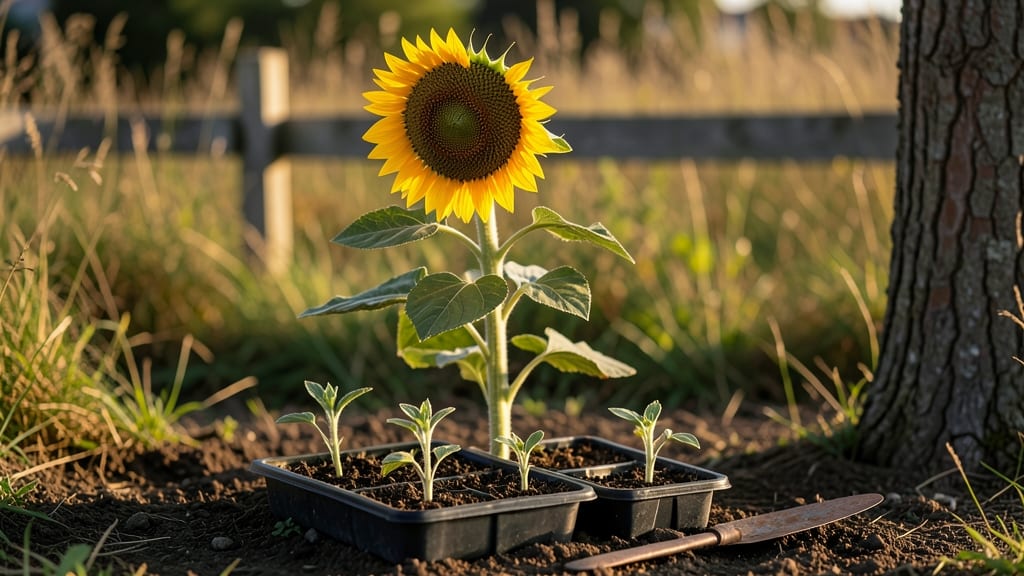
Planting sunflowers in East Tennessee after your last frost — typically mid-April — is the key to those towering 🌻 blooms you dream of.
If you’ve ever watched your sunflowers bolt in the heat or wilt under a late frost, you know timing isn’t just about the calendar—it’s about the microclimate where your garden lives. A sheltered spot might let you plant weeks earlier, while high-elevation areas could push your window into May.
East Tennessee’s 6a-7a zones give you a 165-day growing season, but sunflowers need warmth to thrive. Direct-sow seeds when soil hits 55°F, or risk stunted growth. And don’t forget: some varieties mature in just 50 days, while others take twice as long.
Below, I’ll break down the exact frost dates by region, the best sunflower picks for your short season, and how to stretch your planting window with simple hacks—so you’re not left with wilted dreams by summer’s end.
East Tennessee frost dates and ideal sunflower planting windows
East Tennessee's USDA Zones 6b-7a create a unique challenge for sunflower lovers—late spring frosts can still threaten tender seedlings as late as mid-April, while summer heat arrives quickly after.
Understanding these frost date patterns is your secret weapon for growing towering sunflowers that reach their full potential before fall's first chill.
Local weather data shows average last frost dates ranging from April 15 in Zone 7a (warmer valleys like Knoxville) to May 1 in Zone 6b (higher elevations near the Smokies).
This two-week window means your planting strategy must account for both early spring risks and late summer heat that can stress maturing plants.
Soil temperature is equally critical—sunflowers only germinate reliably when soil reaches 55°F (13°C). In East Tennessee, this typically happens by mid-April in lowlands but may wait until early May in mountain areas. Waiting for these conditions prevents seed rot and ensures vigorous growth.
Here's how these factors translate into your ideal planting windows for sunflowers in East Tennessee:
| Planting Window | Zone 6b (High Elevation) | Zone 7a (Valleys) | Key Consideration |
|---|---|---|---|
| Early Spring (Risky) | Late April | Early April | Use row covers for frost protection |
| Ideal Window | May 1-15 | April 15-May 1 | Balances frost risk and growth time |
| Late Spring (Extended) | June 1-15 | May 15-June 1 | Choose fast-maturing varieties |
| Soil Temp Threshold | 55°F (13°C) | 55°F (13°C) | Use soil thermometer for accuracy |
| Frost Risk Period | Until May 10 | Until April 20 | Monitor local forecasts weekly |
For early spring plantings (before your zone's ideal window), I recommend using black plastic mulch or row covers to warm soil and protect seedlings. These low-cost solutions can push your planting date back by 2-3 weeks while maintaining healthy growth.
In my Zone 6b garden, this technique lets me plant by April 15 without frost damage.
If you prefer late spring plantings, focus on fast-maturing varieties like 'Teddy Bear' (50-55 days) or 'Autumn Beauty' (55-60 days). These dwarf varieties can complete their life cycle before East Tennessee's first fall frosts (typically mid-October).
For taller varieties like 'Moulin Rouge', stick to May plantings to ensure they reach maturity before frost.
Don't forget that microclimates play a huge role—south-facing slopes warm up faster than north-facing gardens, while urban heat islands can create pockets where you can plant 2-3 weeks earlier.
I've seen Knoxville gardeners successfully grow sunflowers from late March plantings in asphalt-heated containers, while mountain gardeners wait until early June for safety.
Pro tip: Direct sowing is always best for sunflowers—they hate transplanting. Plant seeds 1 inch deep and 6 inches apart in well-draining soil with full sun exposure.
In East Tennessee's clay-heavy soils, I recommend amending with compost or sand to prevent waterlogging, which can cause root rot and stunted growth.
Remember that sunflowers need consistent moisture during their first 6 weeks to establish strong roots. In our humid East Tennessee climate, this means deep watering every 5-7 days rather than daily shallow watering. Once established, they're drought-tolerant but will produce larger blooms with proper care.
By aligning your planting with these frost date guidelines and local microclimate conditions, you'll give your sunflowers the best chance to thrive and reach their full potential before fall's first frost. Happy gardening! 🌻
Microclimate hacks to extend your sunflower growing season
East Tennessee's varied elevations and urban heat islands create unique growing conditions that can either shorten or extend your sunflower season. By leveraging these microclimates, you can push your blooms to thrive when traditional schedules might fail.
Whether you're gardening in a sheltered backyard or a high-elevation urban plot, these strategies will help you maximize your growing window.
One of the biggest challenges in East Tennessee is the 10-14 day variation in frost dates between lowland valleys and mountain foothills. A sheltered microclimate near your home or a south-facing wall can add 2-3 weeks to your growing season, while high-elevation areas may need earlier starts.
Understanding these nuances lets you tailor your approach for success.
For urban gardeners, container gardening is a game-changer. Sunflowers grow surprisingly well in 5-gallon pots when given proper drainage and 1-2 inches of compost at planting. The key is mobility—move containers to south-facing spots during the day and protect them from evening chills with frost blankets.
This flexibility lets you adapt to your microclimate's quirks.
High-elevation gardeners should focus on early planting and soil warming. Clear snow from garden beds by mid-March and cover the soil with clear plastic to trap heat.
Plant dwarf varieties like 'Teddy Bear' (3-4 feet tall) which mature in just 50-60 days, giving you a better chance to harvest before early frosts.
Remember, sunflowers are resilient but not frost-proof. Even with these hacks, monitor your plants closely and be ready to harvest seeds before hard frosts hit. With the right microclimate strategies, you can enjoy towering sunflowers well into October in East Tennessee—even in the most challenging conditions. 🌻