
Plants
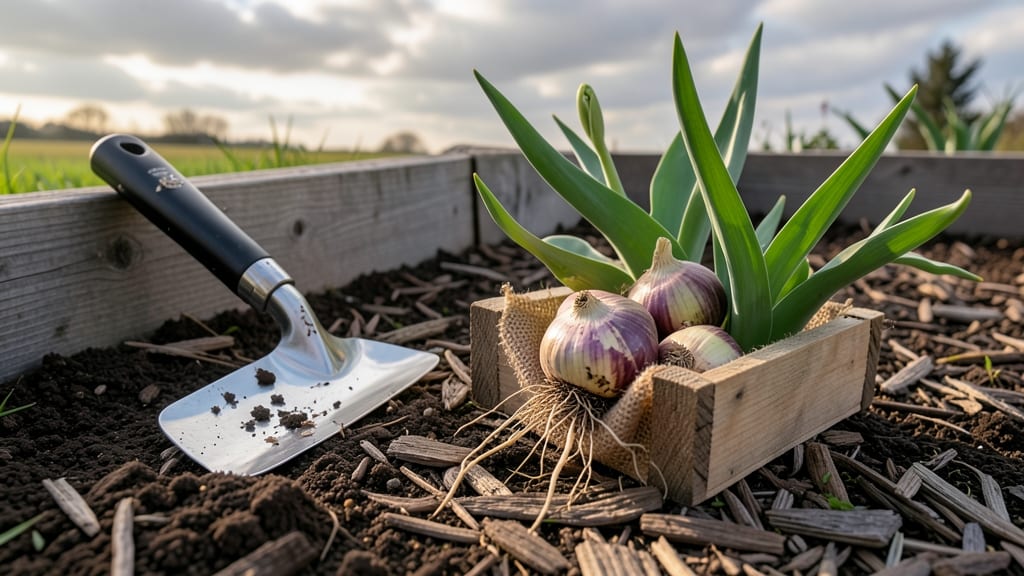
Planting tulip bulbs in Arkansas between October and November is the key to vibrant spring blooms 🌷 — timing them right means the difference between a showstopping garden and a missed opportunity.
If you’ve ever waited too long and watched your tulips fail to bloom, you know how critical this window is. Arkansas gardeners face unique challenges like humidity and variable frost dates, but with the right approach, you can ensure your bulbs thrive.
This guide breaks down the ideal planting months for USDA Zone 7a-8a, soil prep tips, and post-planting care to set your tulips up for success. Whether you’re a beginner or a seasoned gardener, these steps will help you avoid common mistakes and enjoy stunning flowers year after year.
From choosing the perfect spot to understanding when to fertilize, you’ll discover everything you need to plant tulips like a pro—so you can enjoy those cheerful blooms come spring.
Ideal planting timeline for Arkansas tulip bulbs (USDA Zone 7a guide)
As an Arkansas gardener, I know timing your tulip bulb planting is the key to vibrant spring blooms. In USDA Zone 7a, where we experience mild winters and humid summers, planting too early or late can mean the difference between stunning flowers and missed blooms.
The ideal window for planting tulip bulbs in Arkansas is October through November, but let's break down exactly when and why.
First, understand that tulip bulbs need a period of cool dormancy to develop strong roots before spring growth. In Arkansas, this means planting when soil temperatures consistently drop below 60°F. This typically occurs in late October, but can vary slightly depending on your specific microclimate within the state.
| Time Frame | Soil Temp | Action | Notes |
|---|---|---|---|
| Mid-September | 65-70°F | Prepare soil | Loosen soil, add compost |
| Late September | 60-65°F | Early planting | For northern Arkansas |
| October 1-15 | 55-60°F | Ideal planting | Best for most of Arkansas |
| October 16-31 | 50-55°F | Optimal timing | 6-8 weeks before frost |
| November 1-15 | 45-50°F | Late planting | Southern Arkansas only |
| After November 15 | Below 45°F | Avoid planting | Risk of frost damage |
For northern Arkansas (like Fayetteville), aim to plant between October 1-15. This gives bulbs enough time to establish roots before the ground freezes, typically around mid-November.
In central Arkansas (like Little Rock), the ideal window extends to October 16-31, as the first frost usually arrives slightly later.
If you're in southern Arkansas (like El Dorado), you can plant as late as early November, but avoid waiting past November 15. The soil must be cool but not frozen—typically 45-50°F—for successful bulb establishment. Planting too late risks frost damage before roots develop.
I recommend checking your local frost dates for precise timing. Most Arkansas gardeners experience their first frost between November 15-20, so planting 6-8 weeks before this date ensures your bulbs have time to root before winter sets in.
For example, if your frost date is November 20, aim to plant by October 1.
One critical tip for Arkansas gardeners is to plant tulip bulbs 6 inches deep and 6 inches apart. Our clay-heavy soils benefit from this depth, as it helps bulbs establish roots below the frost line.
After planting, water thoroughly to settle the soil and encourage root growth before winter dormancy begins.
Remember that tulip bulbs need full sun (6+ hours daily) for best blooms. In Arkansas, this means planting in locations that receive unobstructed sunlight from morning through afternoon. Choose spots where trees or buildings won't cast shade during the growing season.
Finally, avoid planting tulip bulbs in wet or soggy soil, which is common in Arkansas' humid climate. Ensure your planting area has well-draining soil by amending with compost or sand if needed. This prevents bulb rot and encourages healthy growth for next spring's stunning blooms.
Key factors that affect Arkansas tulip bulb planting success
Planting tulip bulbs in Arkansas requires balancing soil conditions, microclimates, and moisture levels—all of which can drastically impact bloom success. Arkansas’ USDA Zone 7a climate means your Little Rock garden may have different needs than Fayetteville’s, where cooler nights extend the growing season slightly.
Understanding these factors helps you adjust planting times and care routines for vibrant spring displays.
One of the biggest challenges is soil drainage. Arkansas’ clay-heavy soils can trap moisture, leading to bulb rot if not amended. Mixing in compost or sand creates the well-draining environment tulips crave. In areas like Hot Springs, where humidity lingers, prioritize raised beds to improve airflow.
Meanwhile, sunlight exposure must be at least 6 hours daily, though partial shade in North Little Rock’s hotter afternoons can prevent leaf scorch.
Here’s how to weigh the pros and cons of planting timing and conditions for Arkansas’ diverse climate zones:
Planting Timing in Arkansas
✅ PROS
- October-November: Cooler soil temps (below 60°F) encourage root growth before dormancy.
- Little Rock: Warmer microclimate allows slightly later planting (up to November 15).
- Fayetteville: Cooler nights extend bulb dormancy, reducing frost damage risk.
❌ CONS
- Early planting (Sept): Warm soil may spur premature sprouting, risking frost damage.
- Late planting (Dec): Bulbs lack time to establish roots before winter chill sets in.
- Hot Springs: Higher humidity increases fungal risks if soil stays soggy.
🌱 Pro Tip: Use a soil thermometer—ideal planting temps are 50-60°F.
Adjusting for Arkansas’ microclimates is key. In Northwest Arkansas (e.g., Bentonville), plant bulbs 2 weeks earlier than in Southeast Arkansas (e.g., Jonesboro) to account for cooler temperatures. For example, Fayetteville’s first frost often hits by November 10, while Little Rock’s may linger until November 20.
Always check your local Almanac frost dates and adjust planting windows accordingly.
Moisture management is another critical factor. Tulip bulbs need consistent moisture during root establishment but drainage to prevent rot. In Arkansas’ humid summers, mulch with straw or pine needles to retain moisture while improving airflow.
Avoid overhead watering, which can spread diseases like gray mold—a common issue in hotter, wetter zones like El Dorado. Instead, use drip irrigation or soaker hoses for targeted watering.
Finally, don’t overlook sunlight exposure. While tulips thrive in full sun, Arkansas’ intense summer heat can stress plants if they’re planted in exposed, south-facing beds. In areas like Fort Smith, provide afternoon shade during peak summer months to protect foliage.
Pair tulips with low-growing perennials, like heuchera or ajuga, to create a microclimate that retains moisture while filtering harsh sunlight.
By tailoring your approach to Arkansas’ unique growing conditions, you’ll give your tulip bulbs the best chance to flourish. Whether you’re in mountainous regions or river valleys, these adjustments ensure your spring blooms will be the envy of the neighborhood. Happy planting! 🌷