
Vegetables
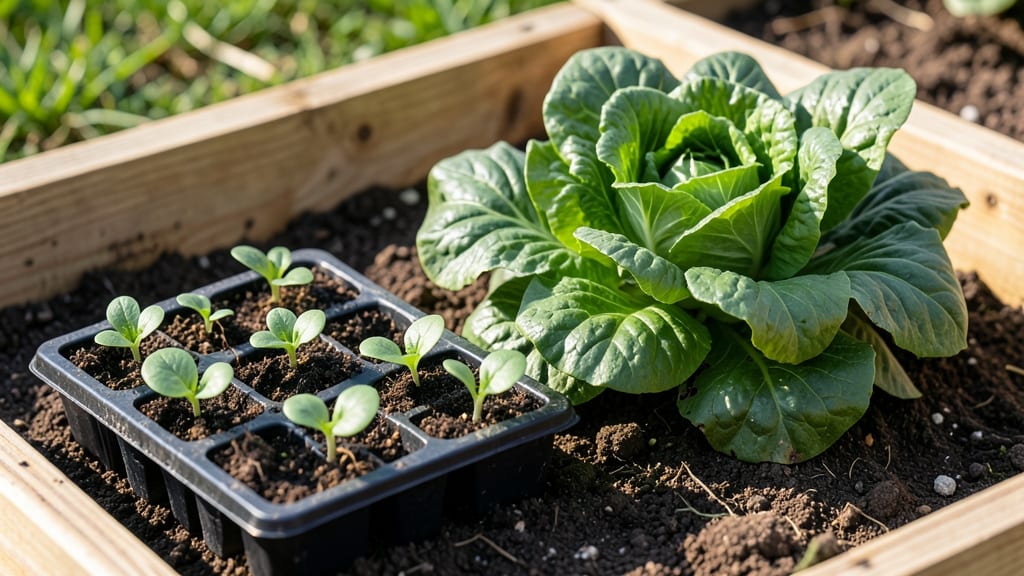
Planting vegetables in Connecticut depends on timing that matches your microclimate—coastal areas warm faster than inland valleys, and mountain zones play by their own rules.
Miss the window by even a week, and your tomatoes might bolt or your lettuce freeze before harvest. The key is knowing when to start seeds indoors, when to transplant warm-season crops, and how to stretch the season with fall plantings.
From late April for frost-tolerant greens to July for late-summer harvests, Connecticut’s growing zones (5b-6b) offer a 165-day frost-free window—but only if you adjust for your specific corner of the state.
Below, I break down the exact planting dates for your region, plus tricks to beat early frosts and extend harvests into November.
Connecticut planting calendar by microclimate zone: coastal vs. inland vs. mountain regions
Connecticut’s three distinct growing zones—coastal, inland, and mountain—create unique microclimates that drastically affect planting schedules. Coastal areas like Groton or New London experience milder winters and cooler summers, while inland regions like Hartford or Middletown see wider temperature swings.
Mountain zones in Litchfield Hills often have shorter growing seasons and earlier frosts. Understanding these differences helps avoid bolting in lettuce or frost damage to tomatoes.
Your last frost dates vary by zone: coastal areas average April 20-25, inland zones May 5-10, and mountain regions May 15-20. Similarly, first frosts arrive earliest in mountains (October 5-10) and latest near the coast (October 20-25).
These variations mean tomatoes planted in May might thrive in coastal areas but fail in mountain gardens without row covers.
Here’s how to align your planting with Connecticut’s microclimates using frost-free days and heat-tolerant windows:
For coastal Connecticut, start spinach and kale in early March under row covers to beat bolting. Inland gardeners should wait until April 15 for broccoli and cauliflower to avoid frost damage.
Mountain zones benefit from cold frames to extend the season—plant peas as early as April 1 for a June harvest.
Warm-season crops like tomatoes and peppers need soil temperatures above 55°F to thrive. Coastal areas can plant tomato seedlings by May 1, while inland zones should wait until May 15 and mountain regions until June 1. Use black plastic mulch to warm soil faster in cooler zones.
Fall planting is critical for a second harvest. In coastal areas, direct-seed carrots and radishes by August 15 for a September-October harvest.
Inland gardeners have until September 1, and mountain zones should finish by August 15 to avoid early frosts. Kale and brussels sprouts actually sweeten after frost, making them ideal for late-season planting.
Avoid these common mistakes across all zones: planting cucumbers too early (they won’t tolerate frost), skipping soil tests (pH < 6.5 stunts growth), or ignoring heat waves (mulch protects roots). My inland garden once lost an entire zucchini patch because I planted too late—June 10 was cutting it close for 75-day varieties.
Use frost charts from the CT Agricultural Experiment Station to fine-tune dates. For example, New Haven’s last frost averages May 1, but Danbury’s is May 10.
Adjust by 1-2 weeks based on your exact location. Heat-loving crops like okra and sweet potatoes only work in inland zones with longer, hotter summers.
Pro tip: Mark your calendar for soil warming in late April. Fill black plastic bags with water, freeze them overnight, then bury them in your garden bed the next day. The solar-heated water raises soil temps by
Best vegetables to plant in Connecticut by season: cool vs. warm vs. fall crops
Connecticut gardeners know timing is everything—especially when cool-season crops like spinach can bolt in spring heat and warm-season tomatoes need soil temperatures above 55°F to thrive. The key to a bountiful harvest lies in matching your planting schedule to Connecticut's three distinct microclimates: coastal, inland, and mountain regions.
Let's break down the best vegetables for each season and how to extend your growing season beyond October.
For cool-season crops, focus on hardy greens that tolerate light frosts and even thrive in cooler temperatures.
These include leafy greens like kale, spinach, and arugula, which can be planted as early as early March under row covers. Root vegetables such as carrots, beets, and radishes also perform well in spring and fall, with radishes ready in as little as 30 days.
Coastal areas benefit from earlier planting dates due to milder winters, while inland zones may need to wait until late April for frost-free conditions.
🌱 When to Plant Vegetables in Connecticut by Season
-
🌿 COOL-SEASON CROPS (March - April & September - October)
- 🥬 Leafy Greens: Spinach, Kale, Lettuce, Arugula (30-60 days)
- 🥕 Root Vegetables: Carrots, Beets, Radishes, Turnips (40-70 days)
- 🧅 Brassicas: Broccoli, Cabbage, Brussels Sprouts (60-90 days)
-
☀️ WARM-SEASON CROPS (May - June & July - August)
- 🍅 Fruiting Plants: Tomatoes, Peppers, Eggplants (70-90 days)
- 🌽 Corn & Beans: Sweet Corn, Bush Beans, Pole Beans (50-120 days)
- 🥒 Cucurbits: Cucumbers, Zucchini, Summer Squash (45-60 days)
-
🍂 FALL HARVEST EXTENSION (August - September)
- 🥬 Cold-Hardy Greens: Spinach, Swiss Chard, Mustard Greens (30-50 days)
- 🥔 Storage Crops: Potatoes, Onions, Garlic (90-120 days)
- 🍄 Frost-Tolerant Herbs: Parsley, Cilantro, Dill (40-60 days)
Pro Tip: Use row covers to extend spring planting by 2-3 weeks and black plastic mulch to warm soil faster for warm-season crops.
When it comes to warm-season crops, inland Connecticut gardeners should prioritize heat-resistant varieties like 'Heatmaster' tomatoes or 'Early Girl' peppers, which can handle 90°F+ temperatures better than standard varieties.
Plant these 2-3 weeks after your last frost date—typically mid-May for inland zones and late May for higher elevations. Succession planting every 2 weeks ensures a continuous harvest of bush beans and zucchini, which thrive in summer's abundance.
To extend your growing season into fall, focus on cold-hardy crops that can withstand light frosts and even improve in flavor after a light freeze. Plant spinach and kale in early August for a fall harvest before first frost (usually mid-October).
Use straw mulch to insulate root crops like carrots and beets, allowing you to harvest well into November. For coastal areas, where winters are milder, you can push harvests even later with row covers.
One of my favorite fall strategies is planting garlic in October—it overwinters and produces robust bulbs the following summer. Similarly, onion sets planted in early September can survive light frosts and provide green onions all winter long.
By rotating crops and succession planting, you can turn your Connecticut garden into a year-round productivity powerhouse, even after the first frost.
Remember, soil temperature is just as critical as air temperature. Use a soil thermometer to confirm warm-season crops are planted when soil is at least 60°F. For cool-season crops, aim for 40-50°F soil temps.
With these seasonal guidelines and a little adaptation, you'll be harvesting fresh vegetables from spring to fall—no matter where you garden in Connecticut. 🌱