
Vegetables
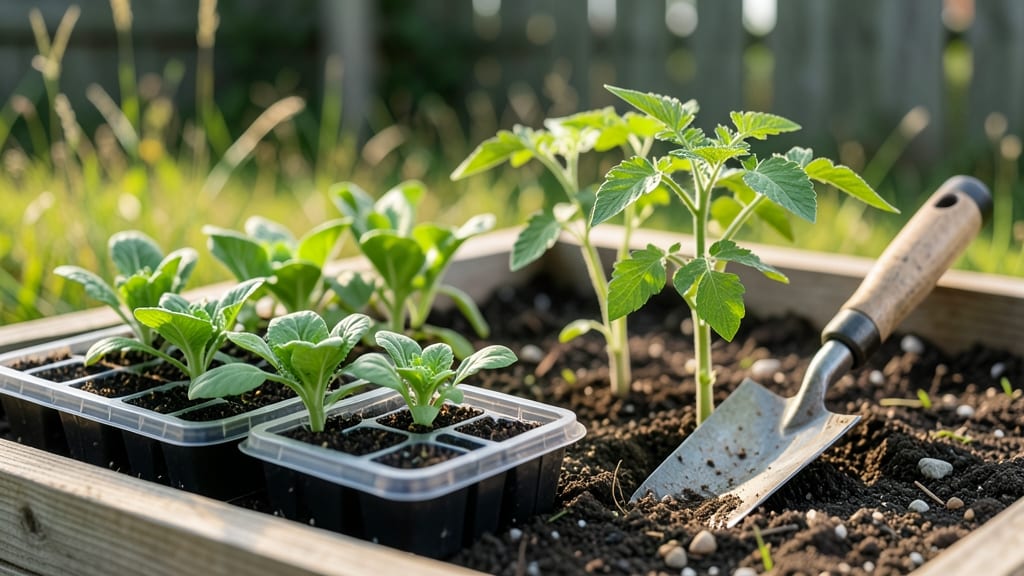
Planting vegetables in Rhode Island requires timing them perfectly between late frosts and summer heat—miss the window, and your harvests could vanish before they ripen.
Picture this: you’ve spent weeks tending seedlings, only to watch them wilt under a surprise frost or bolt in the heat. Rhode Island’s coastal climate and short growing season mean every day counts, and the wrong timing can turn your garden dreams into disappointment.
Whether you’re in Zone 6b’s inland valleys or Zone 7a’s coastal areas, the key is knowing when to start seeds indoors, when to transplant tender crops, and how to stretch the season with row covers.
This guide breaks down the exact dates for your favorite vegetables, from early spring greens to late-summer tomatoes, so you can avoid common mistakes and enjoy a bountiful harvest.
You’ll also learn how to adjust for microclimates—like the cooler, windier conditions near Narragansett Bay—and which cold-hardy varieties thrive in Rhode Island’s unpredictable spring. Ready to turn your garden into a productive powerhouse? Let’s get started.
Rhode Island planting calendar by vegetable type: best dates for zones 6b-7a
Rhode Island’s short growing season and coastal microclimates mean the difference between a bountiful harvest and wasted seeds. With USDA Zones 6b-7a, your planting windows are tight—especially for warm-season crops like tomatoes and peppers.
I’ve broken down the best monthly planting dates for both cool-season and warm-season vegetables, plus succession planting tips to keep your garden productive all season.
First, know your last frost dates: Typically April 15-May 1 for inland areas (like Providence) and May 15-June 1 for coastal regions (like Newport). First frost usually arrives October 15-November 1, so plan accordingly.
For Zone 7a areas (like Westerly), you might squeeze in an extra week or two for heat-loving crops.
Here’s your month-by-month guide to planting vegetables in Rhode Island, organized by crop type. Use this as your garden roadmap to avoid common mistakes like planting too early or missing succession windows.
For coastal areas (like Newport or Block Island), delay warm-season planting by 1-2 weeks due to cooler temperatures near the water. Inland zones (like Providence or Westerly) can plant tomatoes and peppers as early as May 1, but use black plastic mulch to warm the soil faster.
Pro tip: Test soil temperature with a soil thermometer—warm crops need 60°F+ soil.
Succession planting is your secret weapon in Rhode Island. For example, sow bush beans every 2 weeks from May to July for a continuous supply. Similarly, lettuce and spinach can be direct-sown every 3 weeks from April through August, with a final round in September for fall harvests.
This strategy ensures you’re never without fresh greens!
Don’t forget fall planting! After Labor Day, focus on cool-season crops like kale, broccoli, and Brussels sprouts. These thrive in cooler temperatures and can often be harvested well into November. Use row covers to protect them from early frosts, extending your harvest by 3-4 weeks.
If you’re in Zone 7a (like Westerly), take advantage of the slightly longer season by planting heat-tolerant varieties like 'Celebrity' tomatoes or 'Jupiter' peppers. These varieties can handle 90°F+ temperatures better than standard types, giving you a
How to adjust planting times for Rhode Island’s coastal vs. inland microclimates
Rhode Island’s coastal areas like Block Island experience cooler temperatures and higher winds compared to inland regions like Westerly. These microclimates affect planting windows and crop success—even within the same USDA Zone 7a. Understanding these differences helps you extend growing seasons and avoid frost damage.
Coastal gardens often see later springs and earlier falls due to ocean currents moderating temperatures. Inland areas warm up faster in spring but may face hotter summer heatwaves.
For example, tomatoes planted in Westerly might thrive in July, while Block Island gardeners should wait until early August to avoid windburn and cool soil.
Soil drainage also varies dramatically—coastal soils are often sandy and fast-draining, while inland soils retain moisture longer. This means watering schedules and mulching strategies must adapt. For instance, lettuce in inland gardens may need less frequent watering, whereas coastal beds dry out quicker.
| Factor | Coastal (e.g., Block Island) | Inland (e.g., Westerly) | Adjustment Tip |
|---|---|---|---|
| Spring Planting Window | Late April–May | Mid-April–early May | Use row covers to warm soil 1–2 weeks earlier |
| Summer Heat Tolerance | Moderate (cool breezes help) | High (heatwaves common) | Choose heat-tolerant varieties like 'Heatmaster' tomatoes |
| Soil Drainage | Fast-draining (sandy) | Moderate (clay-loam) | Amend coastal soil with compost; mulch inland beds |
| Wind Exposure | High (protection needed) | Low (sheltered) | Use windbreaks or low trellises for coastal plants |
| Fall Harvest Extension | October–November | September–October | Plant cold-hardy greens under cold frames by September 1 |
To extend your growing season, coastal gardeners should prioritize season extenders like low tunnels or cold frames. These create microclimates that trap heat, allowing you to plant spinach or kale as early as March or harvest peppers into October.
Inland gardeners, meanwhile, benefit from shade cloth during July-August to protect leafy greens from wilting.
Choose heat-tolerant varieties for inland areas and early-maturing crops for coastal spots. For example, 'Early Girl' tomatoes (55 days to harvest) work better on Block Island, while 'Celebrity' tomatoes (70 days) thrive inland. Always check seed packets for days-to-maturity and adjust planting dates accordingly.
Monitor local frost dates—coastal areas average 2–3 weeks later for last spring frost than inland zones. Use a frost calendar from URI Extension (e.g., Providence vs. Newport) to fine-tune your schedule. For maximum yields, pair succession planting with microclimate awareness.
Test your soil’s pH and nutrients annually—coastal sands often lack organic matter, while inland soils may be too dense. Amend with compost or peat moss as needed, and always mulch to retain moisture and regulate soil temperature.
With these adjustments, you’ll harvest longer and grow healthier vegetables in Rhode Island’s diverse landscapes. 🌱