
Vegetables
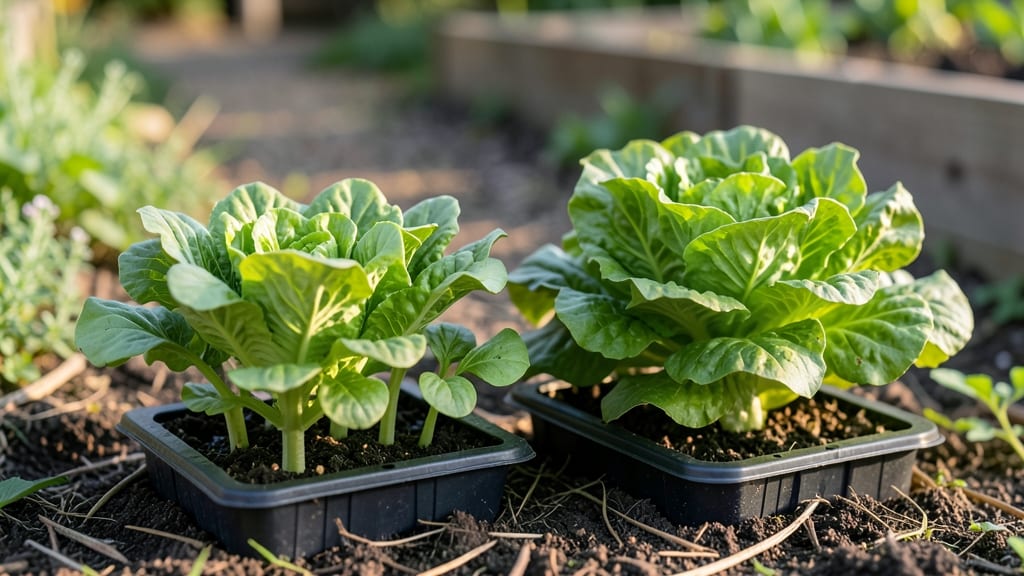
To plant vegetables in Southern California at the perfect time means avoiding the 3 common mistakes that turn your garden into a pest magnet or a sad, wilted mess—like bolting lettuce in summer or stunted tomatoes from winter chill.
Southern California’s frost-free year-round climate might seem like a gardener’s dream, but the real challenge is microclimates: coastal areas stay cooler, inland valleys heat up fast, and desert edges demand extra water.
Get the timing wrong, and your 🥕 greens bolt before harvest or your peppers turn to mush in July’s heat.
Here’s the game-changer: a season-specific calendar that matches your zone—coastal, inland, or desert—so you know exactly when to sow seeds, transplant seedlings, and harvest for peak flavor. No more guessing whether your spring peas or fall kale will survive the next heatwave.
You’ll learn the exact months for each crop, how to stretch harvests with succession planting, and which varieties thrive when others fail. Ready to turn your garden into a year-round feast?
Southern California planting zones: coastal vs. inland vs. desert timing differences
Southern California’s diverse microclimates create unique growing conditions that can confuse even experienced gardeners. The coastal regions like Santa Barbara and San Diego enjoy mild winters and cool summers, while inland valleys such as the San Fernando Valley experience hotter summers and cooler nights.
Meanwhile, desert areas like the Coachella Valley face extreme heat and low humidity, requiring entirely different planting strategies. Understanding these differences ensures your tomatoes, peppers, and greens thrive year-round.
One of the biggest mistakes I see is treating all of SoCal as one zone. For example, lettuce can bolt in June in the desert but thrives through summer in coastal areas. The key is knowing your last frost date (which varies wildly) and adjusting planting windows accordingly.
Coastal areas rarely see frost, while inland valleys might experience light frosts in December or January. Desert regions? They’re frost-free but face 100°F+ temperatures in summer, making heat tolerance the real challenge.
Here’s how to align your planting schedule with your microclimate. Coastal gardeners should focus on fall and winter planting for cool-season crops, while inland gardeners can extend their spring and fall growing seasons by a few weeks.
Desert gardeners must prioritize shade and water conservation during peak summer months. Let’s break down the ideal planting windows for each zone, so you can maximize your harvests without wasting time or resources.
For coastal gardeners, the fall planting window (September to November) is prime time for cool-season crops like broccoli and kale. These areas rarely drop below 40°F, so you can even plant peas and spinach in winter.
The trick is to use lightweight row covers to protect tender greens from coastal fog and wind, which can stunt growth. I’ve had success with cold-hardy lettuce varieties like ‘Winter Density’ thriving through January in my coastal garden.
Inland valleys, like the San Fernando Valley, offer a longer spring growing season due to their warmer winters. Here, warm-season crops like tomatoes and peppers can go in the ground as early as February, but be cautious—temperatures can spike to 90°F+ by May.
To beat the heat, I plant heat-tolerant varieties like ‘Solar Fire’ peppers and use shade cloth to protect young seedlings. Succession planting every 2-3 weeks ensures a continuous harvest of bush beans and cucumbers through summer.
Desert regions present the biggest challenge due to their intense heat and low humidity. The key here is to plant in early spring (February to April) or late fall (October to November) when temperatures are
Best vegetables to plant by season in SoCal (with exact months)
Southern California’s year-round growing potential lets you enjoy fresh vegetables from your garden in every season—but timing is everything. Cool-season crops like broccoli and kale thrive in winter, while warm-season staples such as peppers and cucumbers demand spring planting.
Even year-round winners like lettuce and carrots need strategic scheduling to avoid bolting or pest issues.
Mastering succession planting is key to maximizing harvests. By staggering plantings every 2-3 weeks, you’ll enjoy continuous yields instead of one-time bounty. For example, plant bush beans in March, June, and September to keep your kitchen stocked all year.
Let’s break down the best crops for each season with exact planting months.
- 1 Winter (Dec-Feb): Broccoli - Plant: October-November (harvest Jan-Mar)
- 2 Spring (Mar-May): Tomatoes - Plant: February-March (transplant after last frost)
- 3 Summer (Jun-Aug): Cucumbers - Direct sow: May-June (use shade cloth in July)
- 4 Fall (Sep-Nov): Kale - Plant: July-August (harvest Oct-Dec)
- 5 Year-Round: Lettuce - Sow: February, May, August (succession plant every 3 weeks)
For cool-season crops, start seeds indoors in late summer (August-September) for transplanting in fall. My favorite winter greens include spinach and arugula, which thrive when daytime temps stay below 70°F. In coastal SoCal, you can even grow cabbage year-round with proper shade in summer.
Warm-season crops like peppers and eggplants need soil temps above 60°F to germinate. I always direct sow these in April-May after the last frost risk passes. Succession planting works wonders here too—sow bush beans every 2 weeks from March through September for nonstop harvests.
Don’t overlook root vegetables like carrots and radishes, which grow best in cool, loose soil. Plant them in fall (September-October) or early spring (February-March) to avoid the summer heat.
For container gardening, try bush peas or cherry tomatoes—both thrive in pots and can be planted in March-April for summer harvests.
Pro tip: Use shade cloth in July-August to protect heat-sensitive crops like squash and cucumbers. I’ve seen 30-50% yield increases by keeping soil temps below 85°F during peak heat. With these exact planting months, you’ll enjoy a continuous harvest of fresh, homegrown vegetables all year!