
Plants
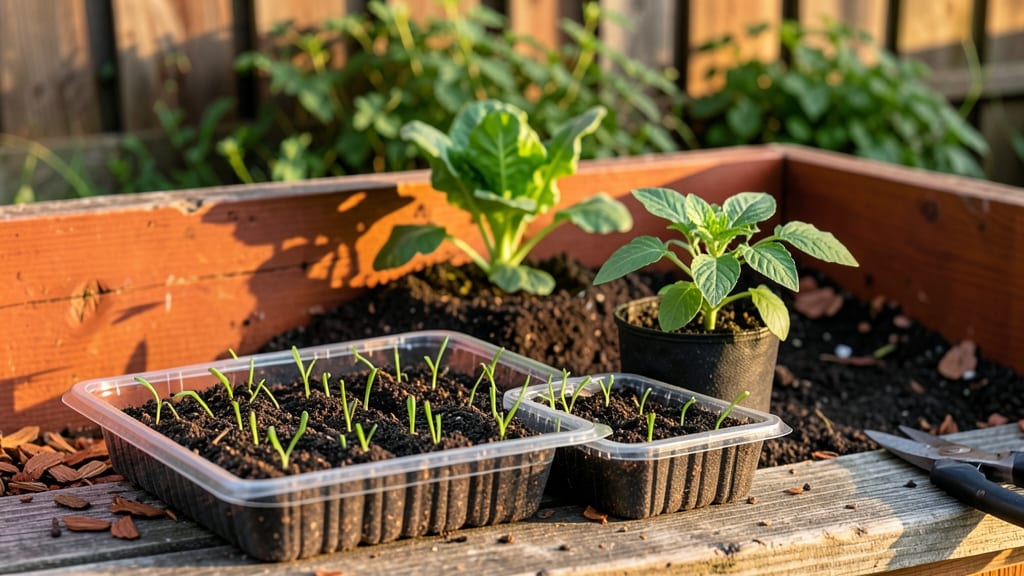
Planting veggies in Michigan after the last spring frost is the key to a bountiful harvest — aim for late April to early May in most zones, with adjustments for northern regions.
Michigan’s unpredictable spring weather makes timing your vegetable planting a critical skill—get it wrong, and frost will ruin your harvest before it even begins. But with the right frost-free deadlines, you can maximize your garden’s potential and enjoy homegrown veggies all season long.
Cool-season crops like lettuce and peas can often go in as early as March, while warm-season favorites like tomatoes and beans need to wait until the soil warms to at least 50°F. Understanding these differences is the difference between a thriving garden and wasted effort.
Below, I’ll break down the exact planting windows for your favorite veggies, how to prepare your soil, and smart strategies for extending your growing season—so you can enjoy fresh, homegrown produce from summer through fall.
Michigan’s frost-free planting deadlines by vegetable type
Michigan’s USDA zones 5-6 experience dramatic temperature swings, making last-frost dates critical for vegetable success. Northern regions (zone 5) typically see frost until May 15-30, while southern areas (zone 6) may be frost-free by April 15-25.
These deadlines separate cool-season crops that thrive in chill from warm-season plants that need heat to germinate.
Cool-season vegetables like lettuce and peas can handle light frosts, but tomatoes and peppers will bolt or fail if planted too early. The key is matching your soil temperature (50°F+ for warm crops) to each plant’s needs. Use these guidelines to align your planting with Michigan’s unpredictable spring weather.
Here’s your frost-free planting calendar for Michigan’s most popular vegetables, organized by crop type and adjusted for northern vs. southern regions:
| Vegetable Type | Northern MI (Zone 5) | Southern MI (Zone 6) | Key Notes |
|---|---|---|---|
| Cool-Season Crops | Late March - Early May | Early April - Mid-April | Plant spinach and kale 4-6 weeks before last frost. Use row covers for early starts. |
| Warm-Season Crops | After May 15 | After April 25 | Wait until soil reaches 60°F+ for tomatoes and peppers. Use black plastic mulch to warm soil faster. |
| Peas & Beans | Early May - June | Late April - May | Peas tolerate frost; beans need warm soil. Plant bush beans first for faster harvests. |
| Leafy Greens | March 15 - June 15 | April 1 - June 1 | Succession plant lettuce every 2 weeks for continuous harvests. Avoid bolting with shade cloth. |
| Root Vegetables | April 15 - May 30 | April 1 - May 15 | Carrots and beets prefer cool soil. Thin seedlings to prevent overcrowding. |
| Cucumbers & Squash | After June 1 | After May 15 | Use straw mulch to retain moisture. Plant after soil warms to 70°F+. |
For northern Michigan, err on the side of caution—wait until mid-May for warm-season crops like tomatoes and peppers, as late frosts can still occur. In southern Michigan, you can start 2-3 weeks earlier, but monitor nighttime temperatures to avoid frost damage.
Pro tip: Use a soil thermometer to confirm readiness for warm-season plants. Peppers and eggplants need soil at 70°F+, while tomatoes thrive at 60°F+. If your soil isn’t warm enough by the deadline, consider container gardening with heat mats for faster warming.
Extend your growing season by planting cool-season crops like spinach and radishes in late summer for a fall harvest. These can handle light frosts and even improve in flavor after a light freeze. Just avoid planting them too early in spring—they’ll bolt when days lengthen.
Remember, Michigan’s first frost typically arrives between September 20-30 in zone 5 and October 10-20 in zone 6. Use this timeline to plan succession plantings of kale, broccoli, and carrots for a late-season harvest before winter sets in.
If you’re new to Michigan gardening, start with hardy cool-season crops like lettuce and peas to build confidence. These are forgiving and give you time to master frost timing before tackling heat-loving tomatoes and peppers.
🌱 For a foolproof approach, mark your calendar with these key dates and adjust based on your local microclimate. A few extra weeks of patience in spring can mean the difference between a bountiful harvest and a frost-killed disappointment.
How to adjust planting times for Michigan’s unpredictable weather
Michigan’s variable spring temperatures can turn your carefully planned garden into a frozen mess if you’re not prepared. I’ve learned the hard way that last-frost dates are just guidelines—sometimes frost lingers weeks later, and other years, it arrives early.
The key is flexibility with season extension tools and smart planting strategies to protect your crops.
One of my favorite tricks is using row covers to create a microclimate that shields delicate seedlings from late frosts. These lightweight fabrics trap heat and can push back frost dates by 2-3 weeks in early spring.
For even more protection, I’ve added cold frames over my lettuce and spinach beds, which can extend the growing season by 4-6 weeks in both spring and fall.
Here’s my step-by-step approach to adjusting planting times when Michigan’s weather throws curveballs:
- 1 Monitor soil temperature—not just air temperature. Use a soil thermometer to confirm when it reaches 50°F for cool-season crops or 60°F+ for warm-season plants.
- 2 Use row covers for 2-3 weeks after planting to protect seedlings. Secure edges with bricks or soil to prevent wind damage—this buys you critical time for early plantings.
- 3 Implement succession planting by sowing fast-growing crops like radishes or lettuce every 2 weeks after the last frost date. This ensures a steady harvest even if early plantings fail.
- 4 Plant heat-loving crops like tomatoes and peppers in black plastic mulch to warm the soil 5-10°F faster than bare ground. This gives them a head start in cooler springs.
- 5 Extend fall harvests with low tunnels or hoop houses. These can keep greens like kale and spinach producing until late November or December in southern Michigan.
Another game-changer I’ve adopted is staggered planting of warm-season crops. Instead of planting all my tomatoes at once, I space them out in 2-week intervals. This way, if the first batch struggles with cool weather, the later plantings mature normally.
It’s also a great way to extend your harvest window by months.
For cool-season crops like broccoli and cabbage, I’ve started direct-sowing 4-6 weeks before my usual last-frost date. These hardy plants can handle light frosts and often bolt less when planted early. Just be ready to cover them at night if a hard freeze is forecasted.
Remember, Michigan’s microclimates vary wildly—your neighbor’s garden might be frost-free while yours still has ice. Always have a backup plan, whether it’s extra row covers, a greenhouse, or even a sunny windowsill for seedlings.
With these adjustments, you’ll turn Michigan’s unpredictable weather into an advantage for a longer, more reliable harvest. 🌱