
Plants
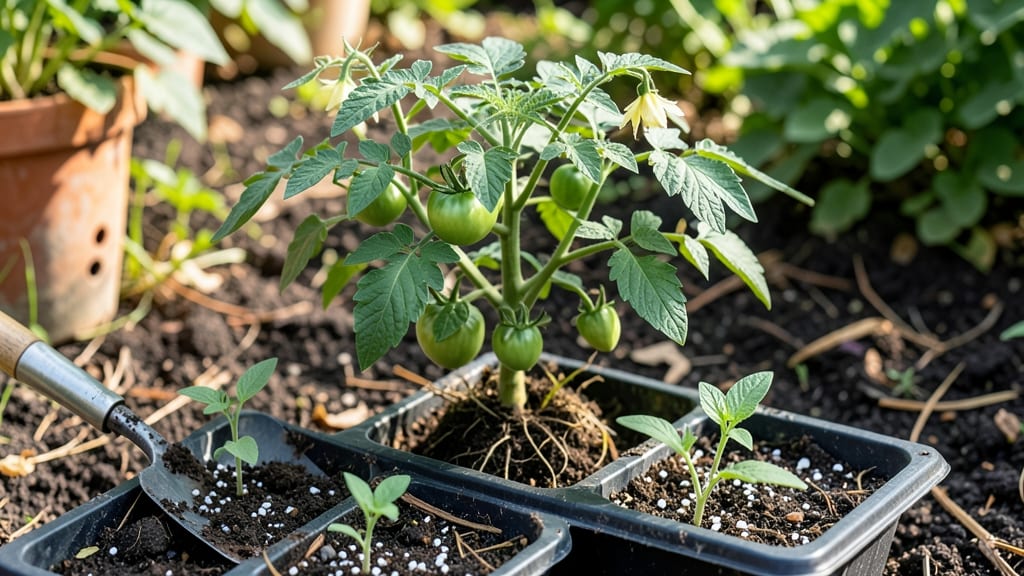
Planting veggies in Texas requires knowing the exact months to avoid wasting seeds in extreme heat or cold—because the wrong timing means stunted growth or no harvest at all.
Texas gardeners face a unique challenge: scorching summers and unpredictable winters. Planting at the wrong time can mean wasted seeds and stunted yields—but timing it right guarantees a bountiful harvest year-round.
Cool-season crops like lettuce and peas thrive in early spring or fall, while heat-loving veggies such as tomatoes and peppers need to go in after the last frost, when soil warms up.
The key is matching your veggies to your Heat Zone—whether you're in North Texas or the desert Southwest.
Below, I break down the best months for each vegetable type, how to adjust for Texas' quirks, and the top varieties that actually survive our climate. No more guesswork—just a foolproof schedule for your garden.
Texas planting calendar by heat zone: exact months for each vegetable type
Texas's diverse heat zones (8A-10A) create unique planting challenges—from North Texas' unpredictable freezes to South Texas' brutal summer heat. The key? Matching your vegetable type to your zone's frost dates and soil warmth.
Cool-season crops like broccoli and spinach thrive in spring/fall, while tomatoes and peppers demand summer's heat. Let's break down the exact months for each zone.
First, know your last frost dates: North Texas (Zone 8A) averages March 15 for spring planting, while South Texas (Zone 10A) rarely sees frost. Soil temperature matters too—warm-season crops need 65°F+ soil, while cool-season crops prefer 45-65°F.
Use a soil thermometer to avoid stunted growth or seed failure.
Here's your zone-specific planting guide, organized by crop type and heat zone. For precise frost dates, check the Texas A&M AgriLife Extension map—it's your best tool for local adjustments.
For Zone 8A gardeners, focus on spring planting (Feb-March) for cool-season crops like kale and peas, then transition to tomatoes and beans after your last frost (typically March 15-April 1).
In Zone 9A, you can start spinach and carrots as early as January, but protect them from late frosts with frost cloth. South Texas (Zone 10A) is all about fall planting—September-October is prime for cabbage and Brussels sprouts.
Warm-season crops like okra and sweet potatoes are heat-loving champions in Texas. Plant them in April-May for North Texas and March-April for South Texas. Always wait until soil reaches 70°F+—cold soil stunts root growth. Pro tip: Use black plastic mulch to warm soil faster in spring.
Don't overlook succession planting! In Zone 8A-9A, sow bush beans and radishes every 2-3 weeks from spring to fall for continuous harvests. In Zone 10A, focus on fall/winter crops like turnips and collards, which thrive in cooler temps.
Remember: Texas gardening is a marathon, not a sprint—plan for multiple plantings!
One common mistake? Planting warm-season crops too early. Seeds rot in cold soil, and seedlings wilt when temps drop. Always check seed packet instructions for days to germination—this tells you if your soil's warm enough.
For example, tomato seeds need 70°F+ soil to sprout in 7-14 days; if it takes longer, your soil's too cool.
Use shade cloth (30-50%) in summer to protect leafy greens and herbs from scorching. In Zone 10Abasil and cilantro bolt quickly in full sun—provide afternoon shade to
How to adjust planting times for Texas' unpredictable weather patterns
Texas' weather can swing from freezing nights to 100°F+ heat within months, making planting timing a moving target. The key to success? Flexibility. I've learned to extend seasons using simple tools and heat-tolerant varieties that thrive when others bolt.
Let me show you how to turn Texas' chaos into your garden's advantage.
First, focus on seasonal adjustments that protect young plants. Row covers and shade cloth are my secret weapons for spring and fall. They create microclimates that let me plant cool-season crops like lettuce and broccoli weeks earlier than the official last frost date (which varies wildly across Texas).
For summer, I rely on heat-resistant varieties like Malagueta peppers and Black Krim tomatoes. These plants handle Texas' intensity better than standard varieties. Pair them with drip irrigation timed for early morning to avoid fungal diseases from evening moisture.
Here are my top 5 adjustments that have dramatically improved my Texas harvests:
- 📅 Plant cool crops under row covers 4-6 weeks before last frost. My spinach starts in February in North Texas.
- ☀️ Use shade cloth (30-50%) for summer crops. My basil thrives under 30% shade during June-August in San Antonio.
- 🌡️ Wait until soil reaches 70°F+ for warm-season plants. I test with a soil thermometer before planting okra or sweet potatoes.
- 🌱 Choose heat-tolerant varieties like 'Arkansas Traveler' tomatoes or 'Jalapeño M' peppers that handle 95°F+ temperatures.
- 🌿 Succession plant fast-maturing crops every 2 weeks. My bush beans get 3 plantings from April-July for continuous harvests.
Don't forget about fall planting—it's my most productive season. I start warm-season crops like kale and carrots in August for harvest before winter. The cooler nights prevent bolting, and I use mulch to maintain even soil temperatures.
For winter gardening, I protect tender plants with cold frames or hoop houses. Even in Zone 8A, I've grown green onions and radishes through December using these methods. The trick is monitoring minimum temperatures—most veggies survive 28°F with protection.
Texas gardening rewards those who adapt quickly. By using these season-extending techniques, I've turned our unpredictable climate into an advantage—producing year-round harvests with minimal stress. The key? Stay flexible and keep learning from each season's surprises. 🌱