
Flowers
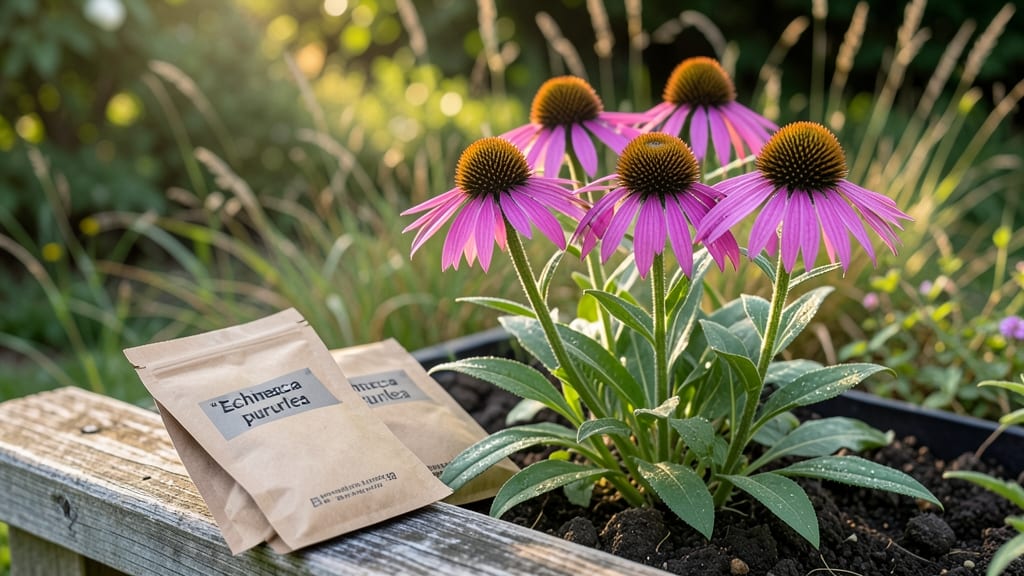
Planting wildflowers in Wisconsin at the right time means the difference between a burst of color by summer and a season of bare soil.
Wisconsin’s unpredictable frost dates and diverse microclimates can turn wildflower planting into a guessing game—but timing it right ensures vibrant blooms from spring to fall. Whether you’re sowing seeds in early spring or early fall, the key is knowing when the ground thaws and when the first frost arrives.
In zones 4a–5b, wildflowers like black-eyed Susans and coneflowers thrive when planted after the last frost in March–April or before the first chill in September–October. But with frost-free windows as short as 150 days, choosing the wrong time can leave your garden waiting for warmer weather.
Below, I’ll break down the exact frost dates for your region, soil prep secrets to help seeds take root faster, and the best wildflower varieties that beat Wisconsin’s short growing season.
Wisconsin wildflower planting calendar: frost dates by region
Wisconsin’s five distinct climate zones create wildly different frost patterns—meaning your black-eyed Susan seeds might thrive in Southern Wisconsin but freeze in the Northern Zone if planted too early. Understanding these last frost dates is your first step to a pollinator paradise from spring to fall.
I’ve planted wildflowers across all five zones, and the key difference? Northern Wisconsin waits until May 15 for safe planting, while Southern Wisconsin gardeners can start as early as April 1. Even within regions, microclimates near Lake Michigan can delay frost by 7–10 days compared to inland areas.
For native wildflowers like coneflower and milkweed, timing matters most. Plant too early, and frost zaps tender seedlings. Too late, and you miss the 60–90-day growth window needed for summer blooms. Let’s break down the critical planting windows by zone so you never guess again.
Pro Tip: Use seed-starting indoors (4–6 weeks before last frost) for delicate species like lupine or purple coneflower. This buys you 2–3 extra weeks of growing time in cooler zones.
🌱
In the Northern Zone, where frosts linger until mid-May, I recommend fall planting (August–September) for hardy perennials like prairie smoke or wild bergamot. Seeds germinate in cool soil, and established roots handle winter better than spring-planted seedlings.
For Southern Wisconsin, where the growing season stretches to 180 frost-free days, you can even direct-sow annuals like cosmos as late as June 1. These fast growers bloom in 60–70 days, giving you summer-long color even if you miss the spring window.
Lake Michigan’s coastal effect creates a unique microclimate. Areas like Sheboygan or Kenosha often see 10°F warmer nights than inland spots, delaying frost by 1–2 weeks. Test your local conditions by checking Almanac frost maps or using a minimum thermometer for 3 years to spot patterns.
If you’re unsure about your exact zone, plant a mix of species with different cold tolerance levels. For example, pair tall coreopsis (germinates at 50°F) with wild indigo (needs 60°F soil). This insurance planting ensures blooms even if one type struggles.
Remember: Fall planting is your secret weapon. Seeds sown in September germinate in spring, avoiding crowded seedlings and giving roots a head start. In Northern Wisconsin, this means earlier summer blooms and longer pollinator support
Soil preparation secrets for Wisconsin wildflower success
Wisconsin’s clay-heavy soils can make wildflower gardening challenging, but with the right prep, you’ll create a thriving ecosystem for native prairie blends and meadow mixes.
The key is breaking up compaction, balancing organic matter, and adjusting pH levels to suit wildflowers’ preferences—most thrive in slightly acidic to neutral soil. Let’s transform your heavy clay into a pollinator paradise.
Start by testing your soil’s pH level—wildflowers generally prefer 6.0 to 7.0. If your soil tests higher (alkaline), mix in sulfur or peat moss at a ratio of 1 pound per 100 square feet.
For lower pH (acidic), add lime sparingly, as wildflowers are sensitive to over-liming. This adjustment ensures nutrients are available for strong root development.
Organic matter is the game-changer for Wisconsin’s dense soils. Aim for a 20-30% compost mix in the top 6 inches of soil. Use a blend of aged compost, leaf mold, and well-rotted manure to improve drainage and microbial activity. Spread a 2-inch layer over the area, then till it in lightly—avoid deep tilling to preserve soil structure.
- 🌱 Step 1: Clear debris and loosen top 6 inches with a broadfork or tiller.
- 🌿 Step 2: Spread 2-inch compost layer—use prairie-specific compost if available.
- ✂️ Step 3: Mix in 1 cup dolomitic lime per 10 sqft if pH < 6.0.
- 💧 Step 4: Water deeply to 1 inch per week for 2 weeks post-prep.
- 🌳 Step 5: Mulch with straw or wood chips to retain moisture and suppress weeds.
Drainage is critical in Wisconsin’s wet springs and clay soils. If water pools after rain, create slightly elevated beds or add sand or perlite (up to 20% of soil volume) to improve aeration.
For large areas, consider a swale design to redirect water away from planting zones. This prevents root rot and encourages deep root growth in wildflowers.
For prairie blends, focus on deep soil preparation—these mixes need well-aerated soil to establish strong taproots. In contrast, meadow mixes tolerate slightly shallower prep but benefit from regular mulching to retain moisture.
After planting, avoid heavy foot traffic to protect young seedlings, and monitor for compacted areas that may need re-aeration.
Finally, test soil fertility annually—wildflowers prefer low-nitrogen conditions. Over-fertilizing can lead to leafy growth at the expense of blooms. Instead, top-dress with compost tea or a low-phosphorus fertilizer (like 3-4-4) in early spring. With these steps, your Wisconsin wildflowers will flourish year after year.