
Plants
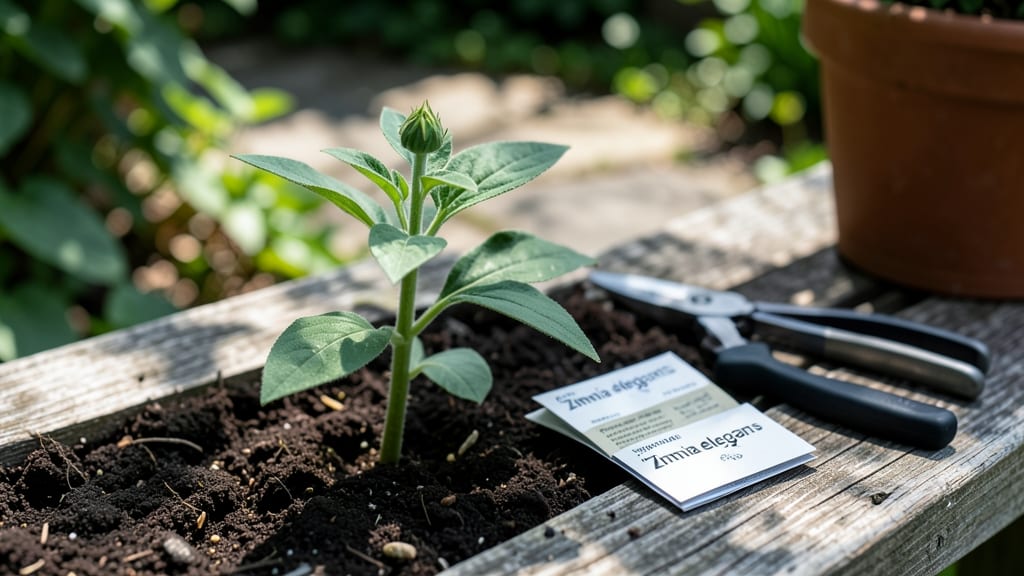
Planting zinnia seeds in Indiana after your last frost date — around mid-April for most of the state — is the key to vibrant summer blooms 🌼 that last well into fall.
Indiana gardeners know that timing is everything when it comes to growing vibrant zinnias—but planting too early or too late can mean missed blooms and wasted effort.
With just a little planning, you can align your planting schedule with Indiana’s climate, ensuring your zinnias thrive from seedling to full, colorful display.
Below, I’ll walk you through the exact planting windows, how to adjust for early or late springs, and simple tricks to extend your blooming season.
Indiana zinnia planting deadlines by last frost date (with heat Zone map)
Indiana's diverse climate means your zinnia planting deadline can vary by 1-2 weeks depending on whether you're in northern Lake County or southern Clark County. Zinnias (Zinnia elegans) thrive in warm soil and hate cold snaps, so timing directly impacts your bloom success.
Northern Indiana's last frost date typically falls around April 20-25, while southern regions see their final frost by April 10-15.
For consistent blooms, I recommend planting zinnias in two phases: direct sowing after soil warms to 60°F (15°C) and a second round for late summer color.
This approach ensures you enjoy zinnias from July through October, even if your first planting gets hit by an unexpected late frost. The key is knowing your microclimate—urban areas often warm faster than rural spots due to the heat island effect.
Pro Tip: Use a soil thermometer to confirm readiness. Zinnia seeds won't germinate below 55°F (13°C), and cool soil can lead to damping off disease. If your soil isn't warm enough by mid-April, start seeds indoors 4-6 weeks before transplanting after the last frost.
| Indiana Region | USDA Zone | Avg. Last Frost | Direct Sow Window | Late Planting Window |
|---|---|---|---|---|
| Northern (Lake, Porter, LaPorte) | 5b | April 20-25 | May 1-15 | June 1-15 (for late blooms) |
| Central (Indianapolis, Kokomo) | 6a | April 15-20 | April 25-May 10 | May 20-June 1 |
| Southern (Clark, Floyd, Jeffersonville) | 6b | April 10-15 | April 15-30 | May 10-20 |
🌡️ Heat Zone Map: Northern Indiana = Cooler, Southern Indiana = Warmer
Southern Indiana gardeners have a 2-week advantage over northern growers. If you're in Zone 6b (like Clark County), you can start direct sowing zinnias as early as April 15—just make sure to use row covers if nights dip below 50°F (10°C).
For northern Indiana, I wait until May 1 to plant outdoors, even if the frost is past, because cool soil slows germination.
Zinnias are heat-loving annuals, and they reward patience. If you plant too early in cool soil, seedlings may stunt or rot. Instead, I recommend staggered planting: sow half your seeds at the ideal time, then plant another batch 4-6 weeks later for continuous blooms.
This works especially well for dwarf varieties like 'Thumbelina' or tall types like 'Benary's Giant'.
Don't forget about container gardening if your yard has microclimate pockets. Potted zinnias warm up faster than in-ground plants, so you can plant them 2-3 weeks earlier than your last frost date. Just ensure containers have drainage holes and use lightweight potting mix to prevent waterlogging.
For late-season blooms, I always plant a final batch in early June. These zinnias will bloom through October and often survive until the first frost of November. The trade-off? They may not reach their full height, but they still produce vibrant flowers perfect for cut arrangements.
Watch for unpredictable late frosts, especially in northern Indiana. If a 28°F (-2°C) frost is forecast after planting, cover seedlings with frost cloth or a plastic milk jug. Zinnias can tolerate light frosts (down to 32°F/0°C) if established, but young seedlings are extremely frost-sensitive.
Finally, adjust your watering schedule based on planting time. Early spring seedlings need gentle moisture to avoid fungal diseases, while summer-planted zinnias require deep watering 2-3 times per week. Mulch around plants with straw or shredded leaves to retain moisture and regulate soil temperature.
With these Indiana-specific deadlines, you'll enjoy zinnias from July to October—no matter where you garden in the state. Happy planting! 🌼
How to extend zinnia blooming season in Indiana: staggered planting tips
Indiana’s variable climate means zinnias can bloom from early summer to frost if you plan strategically. The key is staggered planting, which ensures fresh blooms all season long. By spacing out your plantings every 2-3 weeks, you’ll avoid a single massive bloom followed by a sudden decline.
This method works especially well for Indiana’s short growing season, where every extra week of color counts.
For urban gardeners with limited space, container gardening is your best friend. Use 5-inch pots for dwarf varieties like 'Thumbelina' and place them on patios or balconies. Containers warm up faster in spring, giving you a head start on the season.
Just ensure they have drainage holes to prevent root rot—a common issue in Indiana’s humid summers.
Protecting seedlings from late spring frosts (which can hit as late as May in northern Indiana) is critical. Use row covers or cold frames to shield young plants until temperatures stay above 50°F at night.
I’ve found that even a lightweight fleece cover can make the difference between thriving zinnias and lost seedlings.
🌱 Staggered Planting Schedule for Indiana Zinnias
- Early May: Start first batch indoors or sow directly in warm soil (60°F+). Use row covers if nights dip below 50°F.
- Late May: Plant second batch after all frost risk passes. Ideal for tall varieties like 'Benary’s Giant' (3-4 ft).
- Early June: Sow third batch for late-summer blooms. Perfect for dwarf zinnias in containers.
- Mid-June: Final planting for extended fall color. Choose heat-tolerant varieties like 'Profusion' series.
💡 Pro Tip: Mark planting dates on your calendar to avoid gaps in blooms!
To maximize blooms, deadhead spent flowers regularly—this encourages zinnias to produce more buds instead of going to seed. I’ve seen 30-50% more flowers in my garden just by spending 5 minutes weekly snipping back faded blooms.
Pair this with a balanced fertilizer (like 5-10-10) every 4-6 weeks during the growing season for vibrant, long-lasting color.
For urban gardeners, consider vertical gardening with zinnias. Train taller varieties like 'State Fair' (4 ft) to grow along trellises or fences. This saves space while creating stunning vertical displays. Just ensure your trellis is sturdy—Indiana’s summer storms can knock over top-heavy plants!
With these strategies, you can enjoy zinnias blooming from June through October in Indiana. The secret is planning ahead, protecting young plants, and keeping up with basic care. Your garden will thank you with weeks of non-stop color—perfect for cutting flowers or simply admiring from your porch. 🌼