
Plants
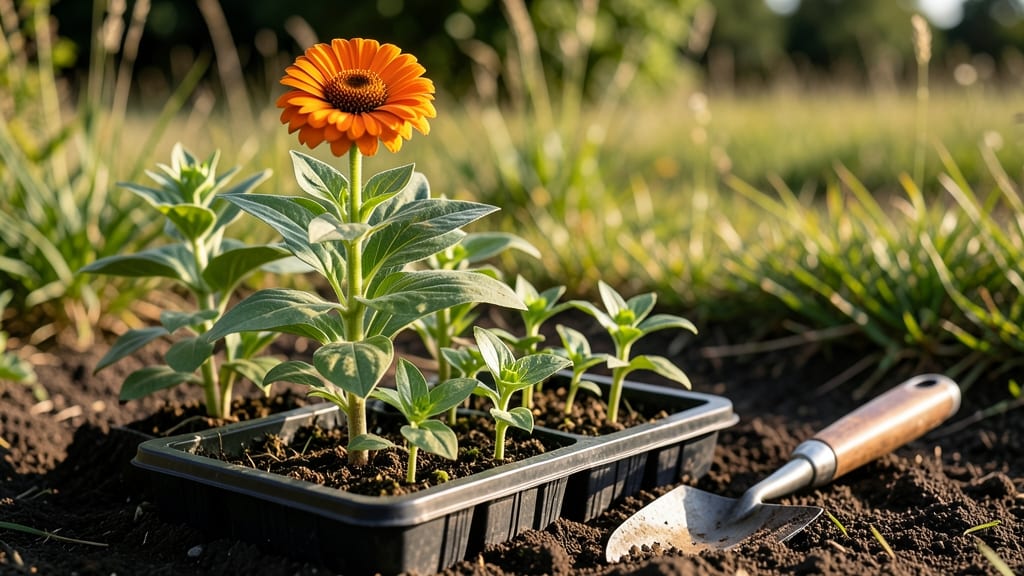
Plant zinnias in Oregon between mid-April and early June—just after the last frost, when soil temperatures hit 50°F—to ensure vibrant blooms all summer.
Oregon’s diverse microclimates—from coastal fog to high-desert heat—can turn zinnias from a flop into a showstopper. Plant at the wrong time, and you’ll get leggy stems and sparse blooms; time it right, and you’ll enjoy bold, long-lasting flowers until October.
In USDA zones 7b-9a, coastal areas like the Willamette Valley can start as early as March, while inland zones like the Columbia Gorge should wait until late May. The key is matching your microclimate to the 180-210 frost-free days zinnias need to thrive.
Below, I’ll break down the best planting windows by region, how to adjust for Oregon’s unpredictable weather, and which zinnia varieties handle heat and rain best.
Oregon zinnia planting dates by microclimate zone
Oregon’s 5 distinct microclimates create wildly different growing conditions for zinnias. Coastal areas like Astoria and Cannon Beach experience chilly, damp springs, while Bend and Prineville in the high desert face scorching summers.
Even the Willamette Valley has its own frost quirks. To avoid leggy, weak plants, timing is everything—zinnias need warm soil and consistent heat to thrive.
Zinnias are warm-season annuals that won’t tolerate frost, so your planting window hinges on last frost dates and soil temperatures. Aim to plant when nighttime temps stay above 50°F and the ground reaches at least 60°F.
In Oregon, this typically means waiting until mid-April to June, but your exact timing depends on which zone you’re in. Let’s break it down by region so you can maximize blooms and avoid common pitfalls like bolting or poor germination.
Pro Tip: Use row covers or cold frames for early starts in cooler zones, but remove them once true leaves appear to prevent overheating. Zinnias hate humidity, so coastal gardeners should prioritize airflow and well-draining soil to prevent fungal diseases like powdery mildew.
For coastal gardeners, patience is key—don’t rush to plant zinnias in May unless your soil is warm and dry. I’ve seen zinnias planted too early in Astoria flop from cold, wet soil, leading to rot.
Test soil temps with a soil thermometer (aim for 60°F+raising beds to warm up faster. If you’re in Portland or Eugene, you can start seeds indoors in March but delay transplanting until after Mother’s Day to avoid frost.
High-desert zinnias in Bend or Prineville love the heat but need consistent moisture
Oregon’s summer weather can be as unpredictable as a game of roulette—one day scorching, the next chilly and damp. To keep your zinnias blooming vibrantly, you’ll need a few strategic tricks up your sleeve. The key is succession planting and smart care to combat heat stress and late-season challenges. With these methods, you can turn Oregon’s fickle weather into an advantage for long-lasting blooms. First, stagger your plantings every 2-3 weeks from mid-May through July. This ensures a continuous display of flowers, as early plantings may fade before later ones even sprout. For example, plant a batch in late May, another in early June, and a final one in early July. This way, you’ll always have fresh zinnias in bloom, regardless of whether summer brings heatwaves or sudden cool snaps. Heat stress is a major threat to zinnias in Oregon’s inland valleys, where temperatures can soar unexpectedly. If your plants start wilting or dropping buds, they’re likely heat-stressed. To combat this, provide afternoon shade using a lightweight shade cloth or even a simple breathable fabric draped over them. This gives them a chance to recover while still allowing plenty of morning sunlight, which zinnias crave. Late-season care is just as critical, especially as Oregon’s summers transition into fall. Once temperatures dip below 70°F, zinnias may slow their blooming. To extend their season, cut back on fertilizing and focus on watering consistency. Remove any yellowing leaves to prevent disease, and consider a light mulch layer to insulate roots from evening chill. This can push your zinnias into early October, giving you weeks of extra color. Another trick is to harvest flowers regularly. Cutting zinnias for bouquets in the morning—not only do you get beautiful arrangements but also encourages the plant to produce more blooms. Just be sure to cut stems at a 45-degree angle and place them in cool water immediately to extend their vase life. This practice keeps your plants productive and healthy throughout the season. Finally, don’t overlook the power of succession planting in late summer. If you notice your zinnias slowing down in August or September, sow a fresh batch of heat-tolerant varieties like Benary’s Giant or Profusion Series. These varieties handle Oregon’s late-summer heat better than others, ensuring you won’t miss a beat in your garden’s bloom timeline. With these strategies, your zinnias will thrive despite Oregon’s unpredictable weather.How to extend zinnia blooms in Oregon’s unpredictable weather