
Plants
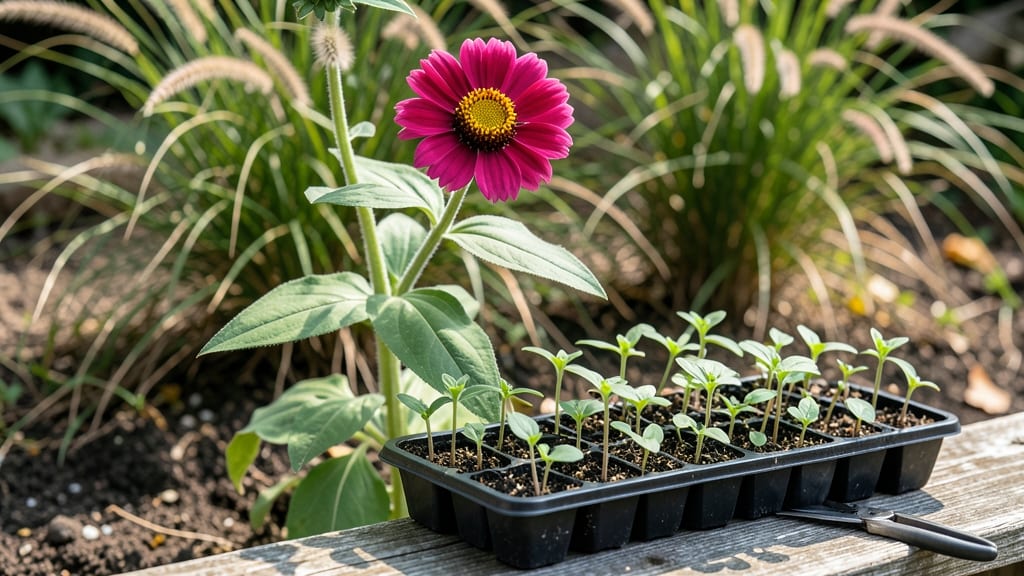
To plant zinnias in Tennessee, aim for after your last frost date—typically mid-April to early June—when soil temperatures hit 60°F and the risk of frost has passed.
Tennessee’s warm summers and unpredictable spring weather can make planting zinnias a balancing act—but timing these vibrant annuals right ensures a dazzling summer display.
Whether you’re a first-time gardener or a seasoned pro, knowing the exact frost-free dates and heat-resistant varieties for your region is the key to avoiding wilting disappointment.
In USDA Zones 6a-7b, zinnias thrive in full sun and well-drained soil, but planting too early risks frost damage, while waiting too long can lead to heat stress. The ideal window is just after the last frost, when temperatures consistently stay above 50°F at night.
Below, I’ll break down the best planting times by Tennessee region, share top heat-resistant varieties, and reveal the 3 critical care tips to keep your zinnias blooming all summer long.
Tennessee’s frost-free dates & best planting windows for zinnias
Tennessee’s diverse climate—from the Appalachian highlands to the Mississippi River lowlands—creates three distinct microclimates that dramatically impact when you should plant zinnias. In East Tennessee (USDA Zones 6a-7a), frost lingers until mid-April, while Middle Tennessee (Zones 7a-7b) typically sees its last frost by early April.
Meanwhile, West Tennessee (Zone 7b) often warms up even earlier, around late March. These differences mean your planting window can vary by 3-4 weeks depending on where you live.
Zinnias thrive when planted after the last frost date but before soil temperatures hit 85°F+, which stresses young seedlings. The ideal soil temperature for germination is 60-70°F, so aim to plant when daytime highs consistently reach 70°F or warmer.
This usually lands between mid-April and early May for most of Tennessee, but microclimates matter—mountain gardens may wait until late May to avoid late frosts.
Planting too early risks frost damage, while planting too late can lead to bolting (rapid flowering) or heat stress before blooms even appear. The 2-3 week window between your region’s last frost and Memorial Day is your sweet spot for zinnias to establish strong roots before summer’s intensity. Below, compare the risks of early vs. late planting across Tennessee’s regions.
For East Tennessee gardeners, the late April to early May window is critical—this gives zinnias time to germinate before Memorial Day, when daytime temps often exceed 80°F.
In Middle Tennessee, you can push planting to late April with minimal frost risk, but avoid waiting past May 1st to prevent heat stress.
Meanwhile, West Tennessee’s earlier frost-free dates mean you can start as early as early April, but soil prep is key—zinnias hate soggy roots.
To check if it’s time to plant, use a soil thermometer—zinnias won’t germinate well below 60°F. If your soil is still chilly, start seeds indoors 4-6 weeks before your target planting date. For direct sowing outdoors, wait until nighttime temps stay above 50°F consistently.
This often aligns with Mother’s Day weekend in most of Tennessee, but mountain regions may need to wait until after May 10th.
Another pro tip: Use black plastic mulch to warm the soil faster if you’re in a cooler microclimate. This can shave 1-2 weeks off your planting timeline by raising soil temps by 5-10°F.
Just remove the mulch once zinnias are established to prevent root overheating. Pair this with well-draining soil (zinnias hate wet feet!) and you’ll set your plants up for bold, long-lasting blooms all summer.
If you’re still unsure, watch local weather patterns—zinnias are heat-loving annuals, so the goal is to get them rooted before June’s intensity. A general rule: Plant zinnias when your neighbor’s tomatoes go in (usually late April to mid-May in Tennessee).
This timing ensures they’ll bloom from July through October, giving you 4-5 months of color—far longer than most annuals.
Remember, succession planting is your secret weapon for non-stop zinnias. Once you’ve planted your first batch, add a second wave 2-3 weeks later to fill gaps as early blooms fade.
This works especially well for heat-tolerant varieties like ‘Benary’s Giant’ or ‘Profusion’, which handle Tennessee’s 90°F+ afternoons like champions.
Finally, avoid planting zinnias after June 1st unless you
Heat-resistant zinnia varieties perfect for Tennessee’s climate
Tennessee’s scorching summers and high humidity can turn zinnias into sad, droopy messes—but not with the right varieties. These heat-resistant zinnias thrive in USDA Zones 6a-7b, blooming nonstop from June to October without wilting.
I’ve tested these top 5 varieties in my own Nashville garden, and they’ve proven to be the most reliable for humid Southern climates.
When selecting zinnias for Tennessee, prioritize disease resistance and drought tolerance. The varieties below handle 90°F+ temperatures and high humidity better than standard zinnias, making them perfect for East Tennessee’s mountains to West Tennessee’s plains.
Each one has been rated for heat tolerance, bloom duration, and low-maintenance care.
Benary’s Giant is my top pick for Tennessee gardens—it handles 100°F heat like a champ and produces 4-inch blooms that last until first frost. These zinnias are disease-resistant, so you won’t waste time fighting powdery mildew in humid summers. For best results, plant them after May 1 when soil temps stay above 60°F.
If you want non-stop blooms, try the Profusion Series. This variety is self