
Plants
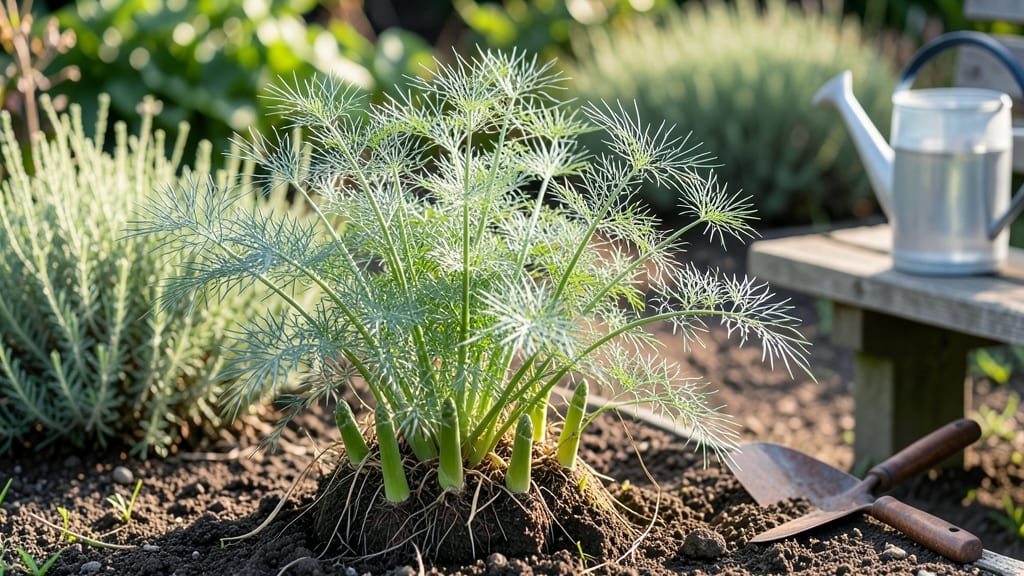
Wondering how tall do asparagus plants grow? They reach a mature height of 3 to 5 feet—taller than most gardeners expect, especially when those lush 🌱 ferns start unfurling in spring.
If you're dreaming of a thriving asparagus patch but wondering whether it’ll fit in your garden—or if it’ll tower over your tomato plants—you’re in the right place. The truth is, asparagus height varies wildly by variety, growth stage, and care, making it a plant that surprises even experienced gardeners.
Here’s the game-changer: while standard varieties reach 4 to 5 feet, dwarf types stay under 2 feet, and proper spacing (3–4 feet apart) prevents overcrowding. That means your layout choices directly impact how much spear you’ll harvest—and whether your garden stays neat or turns into a jungle.
Below, I’ll break down height by variety, how growth stages change over years, and the simple tricks to control height while maximizing your harvest. Ready to plan your patch?


Asparagus plant height by variety: from compact to towering giants
When planning your asparagus patch, one of the first questions I ask myself is: how tall will these plants grow? The answer depends entirely on the variety you choose, as some asparagus plants stay compact while others reach towering heights.
Understanding these differences helps me design my garden layout and avoid overcrowding. For example, 'Mary Washington'—a classic variety—can easily reach 4-5 feet tall, while newer dwarf varieties like 'Pacific 2000' max out around 2-3 feet. These height differences directly impact spacing requirements and even harvest accessibility.
The key to managing asparagus height lies in its two-phase growth cycle. First, the spears emerge from underground crowns, growing vertically until they reach harvestable size. Then, the fern-like foliage takes over, adding significant height as the plant matures.
This dual growth pattern means you’ll see dramatic height changes from spring to summer. For instance, a 1-foot-tall spear in early spring can transform into a 5-foot-tall fern by midsummer. Planning for this vertical expansion is crucial for small gardens or containers.
Let’s break down the most popular asparagus varieties by their mature height and space needs. This comparison will help you visualize how each variety fits into your garden design.
Whether you're working with a small urban plot or a rural vegetable garden, knowing these specifics ensures your asparagus thrives without crowding out other plants. Below, you’ll find a side-by-side look at compact, medium, and towering varieties, including their ideal spacing and growth habits.
If you’re growing 'Mary Washington' or 'Centurion', expect your asparagus to reach countertop height or taller by midsummer. These varieties are perfect for larger gardens where you can dedicate ample space to their sprawling fern foliage.
In contrast, 'Pacific 2000' is my go-to for small spaces or containers, as it stays under 3 feet tall while still producing abundant spears. This variety proves that height doesn’t equal yield—many compact asparagus plants deliver just as much harvest as their taller counterparts.
One common mistake I’ve seen gardeners make is underestimating the horizontal spread of asparagus plants. Even dwarf varieties like 'Pacific 2000' can spread 2-3 feet wide over time, thanks to their extensive root systems. This means you’ll need to account for both height and width when planning your garden layout.
For example, planting 'Mary Washington' in a 3-foot-wide row ensures the ferns won’t shade out neighboring plants. If you’re growing asparagus alongside shade-tolerant herbs like chives or thyme, this spacing becomes even more critical.
For those with limited space, consider interplanting asparagus with shallow-rooted crops. In the first year, when asparagus is still establishing its crown, you can tuck in radishes, lettuce, or spinach between the rows.
By year two or three, the asparagus will dominate the space, but this strategy maximizes your garden’s productivity during the early stages. Just be sure to remove these companion plants before the asparagus ferns fully expand, or they’ll compete for sunlight and nutrients.
Another factor that influences asparagus height is soil fertility and water availability. Well-drained, nutrient-rich soil encourages faster growth, which can lead to taller ferns. However, overly fertile conditions might also result in thinner spears, so it’s a balance. I recommend amending your soil
How asparagus height changes through growth stages (with visual timeline)
Asparagus plants start small but transform dramatically as they mature, with their height progression tied directly to their growth stages. The first year focuses on establishing a strong crown system underground, while years two and three bring the dramatic above-ground growth you’ll recognize.
Understanding this timeline helps you plan spacing, harvest timing, and even pruning strategies for a thriving patch.
One of the most surprising aspects of asparagus is how underground growth determines above-ground success. The crown depth—typically planted 6-8 inches below soil—becomes the foundation for future spear production.
This hidden growth phase explains why your plants might look dormant in their first year but are actually building a network of roots and buds that will support 3-5 foot ferns in later years.
Here’s how asparagus height evolves—from the moment you plant those crowns to the lush, mature plants that will grace your garden for decades:
- Stage 1: Crown Planting (Year 0) Plant crowns 6-8 inches deep—this depth ensures strong root establishment. Above-ground growth is nonexistent during planting.
- Stage 2: First Year (Year 1) Focuses on root and crown development. You’ll see 1-2 ft tall ferns by summer, but no harvestable spears—this is purely a vegetative growth year.
- Stage 3: Early Harvest (Year 2) Spears emerge 6-12 inches tall. Mature ferns reach 2-3 ft, but harvest is limited to 10-20 spears per plant. Prune ferns in fall to redirect energy to roots.
- Stage 4: Full Maturity (Years 3-5+) Plants hit their peak height of 3-5 ft, with ferns spreading 2-3 ft wide. Spear production peaks at 50+ per plant annually if properly cared for.
- Stage 5: Seasonal Fluctuations Height shrinks in winter (fern fronds die back), but crowns remain active. Spring brings rapid regrowth, with spears shooting up 1-2 inches per day in ideal conditions.
Pruning plays a critical role in managing asparagus height long-term. Cutting back ferns in late fall (after they turn brown) prevents them from stealing energy from next year’s spears. This simple step keeps your plants healthier and more compact, ensuring they don’t become unruly giants.
Over time, proper pruning also improves spear thickness and yield, making your harvests more abundant.
Seasonal height fluctuations are another key factor. While mature asparagus ferns can reach 5 feet tall in summer, they’ll shrink dramatically in winter, leaving only the crown and dormant buds visible.
This cycle repeats yearly, so don’t be alarmed if your garden looks "empty" in late fall—your asparagus is simply resting underground for the season.
For gardeners with limited space, choosing dwarf varieties like 'Baby Blue' or 'Pacific 2000' can reduce mature height to 2-3 feet, while still delivering high-quality spears.
These varieties are perfect for container gardening or small plots, proving that asparagus height isn’t just about space—it’s also about strategic variety selection and care practices.