
Plants
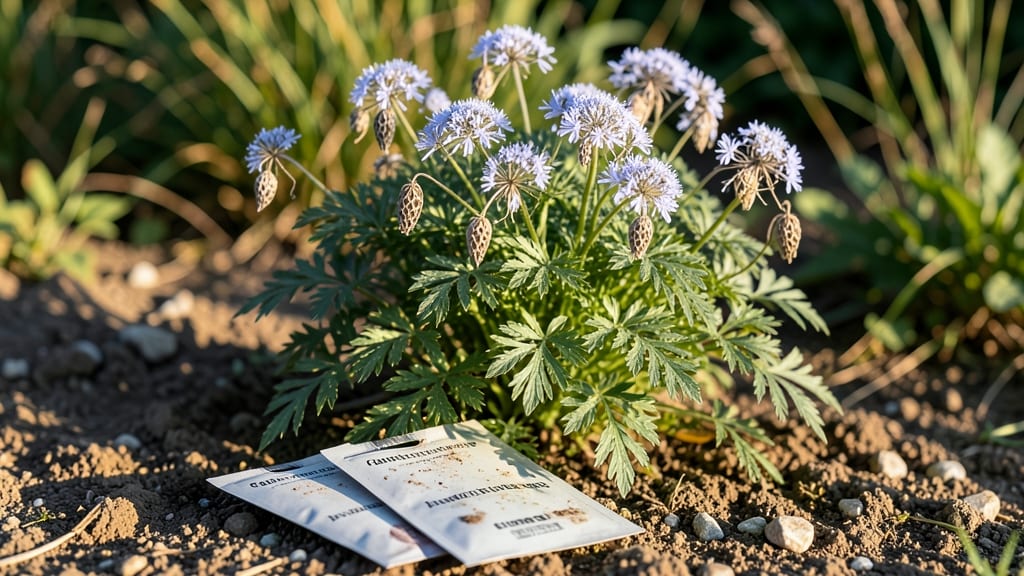
Planting Love-in-a-Mist 🌸 seeds at the right time ensures those dreamy, airy blooms will fill your garden by summer—but get it wrong, and you’ll be left with floppy stems or no flowers at all.
Most gardeners wait until after the last frost, but in USDA Zone 6a (like mine), that means late April at the earliest. Too soon, and a surprise frost will turn your seedlings into sad, mushy puddles. Too late, and you might miss the 60-day window needed for blooms before fall.
Here’s the secret: Love-in-a-Mist thrives when soil hits 60°F—warm enough to germinate but cool enough to prevent leggy stems. I’ll break down the exact planting windows by zone, plus how to stretch your blooming season with a simple trick.
By the end, you’ll know whether to start seeds indoors in March, direct-sow in May, or even try a fall planting for next year’s early show. No more guesswork—just reliable, lacey blooms.
Love-in-the-mist planting deadlines by USDA zone for best blooms
Timing your Love-in-the-Mist (Nigella damascena) seeds correctly ensures vibrant blooms that last from summer through fall. Unlike frost-sensitive plants, these seeds handle cool soil—as low as 40°F—but their germination speed depends on soil warmth and frost-free windows.
In colder zones, aim for early spring planting; in warmer zones, fall sowing works too. Let’s break it down by your USDA zone to avoid missed seasons or frost damage.
Love-in-the-Mist thrives with 60°F+ soil temperatures for fastest germination, but seeds can sprout in cooler conditions—just slower. The key is planting 4-6 weeks before your last frost date in colder zones or 8-10 weeks before first frost in warm climates for a continuous display.
Below, you’ll find your exact planting windows by zone, plus frost risk tips to keep your seeds safe.
Pro Tip: Use a soil thermometer to confirm readiness—wait until soil hits 50°F+ for reliable sprouting. In zones 3-5, start seeds indoors 6-8 weeks early if you want an earlier show.
In zones 3-4, where frosts linger late, prioritize post-frost planting (after May 10) to avoid seed rot. These zones benefit from staggered sowings every 2 weeks to extend blooms.
For example, plant half your seeds in April and the rest in early May—this ensures flowers from July through September.
Gardeners in zones 7-10 can push the envelope with fall sowings for winter color. In zone 9-10, seeds planted in August will often bloom by November, adding late-season interest.
Just ensure soil stays above 50°F to prevent sluggish growth. A light mulch (straw or shredded leaves) helps retain warmth.
Watch for soil temperature cues—if your area has unpredictable frosts, like zone 6, err on the side of later planting (after April 15).
Use a seedling heat mat ($15–$25) if starting indoors to jumpstart germination in cooler zones. This trick shaves 10-14 days off your growing timeline.
For container gardening, plant Love-in-the-Mist seeds in early spring (same as outdoor schedules) but move pots to a sunny patio once nights stay above 50°F.
Containers warm up faster than garden beds, so you can start 2-3 weeks earlier than ground planting. Just ensure pots have drainage holes to prevent rot.
If you miss the spring window, don’t panic! Love-in
How to extend your Love-in-the-mist season: staggered planting for nonstop flowers
Love-in-the-mist (Nigella damascena) thrives on a long bloom season, but most gardeners only get a 6-8 week show. The secret to nonstop flowers lies in staggered planting—spreading out sowings to keep blooms appearing from early summer through fall.
This method works especially well in USDA zones 5-9, where seasonal shifts create perfect conditions for successive plantings.
Start by understanding your local frost dates. In cool climates (zones 3-5), begin your first planting 4-6 weeks before your last frost date—this gives seeds time to germinate indoors or under protective covers.
For warmer zones (6-9), you can sow directly outdoors as early as February, but the real magic happens with monthly succession plantings every 3-4 weeks until mid-summer.
Why this works: Love-in-the-mist has a 60-90 day bloom cycle. By staggering plantings, you ensure new flowers open just as older ones fade. For example, if your first batch blooms in June, a second planting in July will reward you with August flowers, and a third in August extends the show into September.
- 1. Start Indoors (Zones 3-5): Sow seeds 6-8 weeks before last frost in biodegradable pots with well-draining mix. Keep under grow lights (12-16 hrs/day) at 65-70°F.
- 2. Direct Sow Outdoors: After last frost, plant every 3-4 weeks until mid-July. Use 1/4" depth and 6-12" spacing for full sun.
- 3. Late-Season Boost: In zones 6-9, sow a final batch in early August for fall blooms. Protect from early frosts with row covers.
- 4. Companion Planting: Pair with tall grasses (like miscanthus) or low-growing perennials (e.g., coreopsis) to hide leggy seedlings and extend display.
- 5. Deadhead Strategically: Remove faded blooms to encourage new flowers, but leave seed pods for self-seeding in mild winters.
For indoor starts, use a seedling heat mat to speed germination—these seeds germinate best at 70°F. Once seedlings have 2-3 true leaves, harden them off for 7-10 days before transplanting. In containers, stagger plantings every 2 weeks to create a continuous cascade of blooms.
Light is critical: Partial shade (3-4 hours sun) will prolong blooms in hot climates (zones 8-10), while full sun (6+ hours) maximizes flower density in cooler zones (3-7).
If your garden has morning sun only, place love-in-the-mist where it gets at least 4 hours of direct light—it’ll still perform well.
Pro tip: Mulch heavily after planting to retain moisture and suppress weeds, which compete with young seedlings. Use straw or shredded leaves—avoid fresh grass clippings, which can mat down and smother emerging plants.
With these techniques, you’ll enjoy love-in-the-mist blooms from June through October—or even later in mild-winter zones.