
Plants
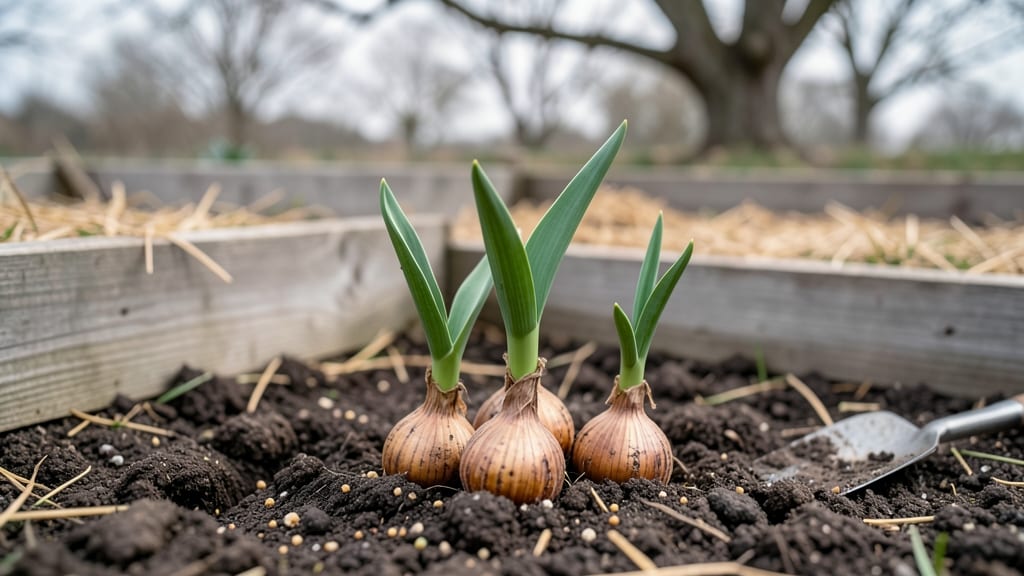
Planting tulip bulbs 🌷 in Michigan between October and November is the secret to those showstopping spring blooms you’ve been dreaming of.
Michigan gardeners know timing is everything—plant too early, and they’ll rot in cold soil; too late, and you’ll miss the frost window. But get it right, and you’ll reward yourself with vibrant blooms next spring that outshine your neighbors’.
This isn’t just about a date on the calendar—it’s about soil temperature, frost dates, and regional differences between northern and southern Michigan. A 6-8 week window before the ground freezes is your goal, but how do you know exactly when that is?
Below, I break down the exact frost-date chart for your zone, soil prep steps to keep bulbs happy through winter, and the one common mistake that kills more tulips than voles ever could.
Michigan tulip planting timeline: frost-date chart for optimal growth
Timing your tulip bulb planting in Michigan depends on soil temperature and frost dates. Northern Michigan (USDA Zone 4) has a shorter window than southern regions (Zone 6).
Aim to plant when soil cools to 50-60°F—this triggers bulb dormancy and prevents rot. Miss this window, and your tulips may not bloom next spring.
Most Michigan gardeners plant between mid-October and mid-November, but exact dates shift yearly. Check your last frost date (typically mid-November) and count back 6-8 weeks. For example, if frost hits November 15th, plant by September 28th. This ensures bulbs establish roots before winter sets in.
Soil temperature is your best guide—wait until it drops below 60°F at a 6-inch depth. Use a soil thermometer to monitor. In Zone 5 (central Michigan), this usually happens by late September, while Zone 6 (southern Michigan) may wait until early October. Planting too early in warm soil can cause bulbs to sprout prematurely and die.
Here’s a quick frost-date breakdown for Michigan’s USDA Zones 4-6:
| Region | USDA Zone | Ideal Planting Window | Soil Temp Threshold | Last Frost Date |
|---|---|---|---|---|
| Northern Michigan | 4 | Mid-September to early October | 50-60°F (6" depth) | Mid-November |
| Central Michigan | 5 | Late September to mid-October | 50-60°F (6" depth) | Late November |
| Southern Michigan | 6 | October to early November | 50-60°F (6" depth) | Early December |
For northern Michigan (Zone 4), start as early as mid-September to beat the early frost. In southern Michigan (Zone 6), you can push planting to early November, but avoid planting after November 15th—bulbs need time to root before the ground freezes.
Use a frost calendar like the Michigan State University Extension tool for year-specific dates.
Pro tip: If you miss the fall planting window, store bulbs in a cool, dry place (like a garage) and plant them in early spring (March-April). While spring-planted tulips may bloom later, they’ll still reward you with vibrant flowers—just expect fewer blooms than fall-planted bulbs.
This is a lifesaver if you’re a last-minute gardener!
Watch for soil moisture after planting. Water lightly if the soil is dry, but avoid overwatering, which can cause bulbs to rot. A 1-inch layer of mulch (like straw) helps insulate bulbs and retain moisture.
In Zone 4, add extra mulch to protect against harsh winters. This simple step can mean the difference between healthy blooms and frozen bulbs.
Don’t forget to choose hardy varieties for Michigan’s climate. Darwin Hybrid tulips, like ‘Paul Scherer,’ thrive in cold winters, while Fosteriana varieties (e.g., ‘Yellow Emperor’) handle Zone 4 winters with ease.
Avoid tender varieties like Parrot tulips, which struggle in Michigan’s cold snaps. Check the USDA Zone on bulb packages to match your region.
Timing isn’t just about the calendar—it’s about soil conditions. Test your soil’s drainage before planting. Tulips hate soggy soil, so amend heavy clay with compost or sand if needed.
Plant bulbs 6 inches deep and 6 inches apart for optimal growth. In sandy soils (common in northern Michigan), plant slightly deeper to retain moisture.
Mark your planting dates on a garden calendar and set reminders for spring care. Once tulips bloom, deadhead spent flowers but leave foliage until it yellows—this ensures bulbs store energy for next year’s
How to prepare Michigan soil for tulip bulbs: step-by-step guide
Michigan’s clay-heavy soils can be a challenge for tulips, but with the right prep, you’ll create the perfect environment for vibrant blooms. The key is improving drainage, adding organic matter, and protecting bulbs from voles and early freezes.
Let’s break it down into actionable steps tailored to your local conditions.
Start by testing your soil’s drainage and pH. Tulips thrive in well-draining soil with a pH between 6.0 and 7.0. If your soil is compacted or holds water, amend it with organic compost or sand to loosen the texture.
Michigan’s clay soils can suffocate bulbs, so this step is non-negotiable for healthy growth.
Now, let’s get to the step-by-step prep with this easy checklist:
Once your bulbs are planted, avoid disturbing the soil until spring. Tulips need winter chill to bloom, so resist the urge to fertilize or water heavily after planting. In early spring, you’ll notice green shoots emerging—this is your cue to remove mulch and let sunlight reach the foliage.
Michigan’s climate variations mean northern regions (like USDA Zone 4) may need to plant earlier than southern areas (like Zone 6). Always aim to plant 6-8 weeks before the first hard frost, typically by mid-November.
With these steps, your tulips will thrive and reward you with show-stopping blooms next spring! 🌷