
Plants
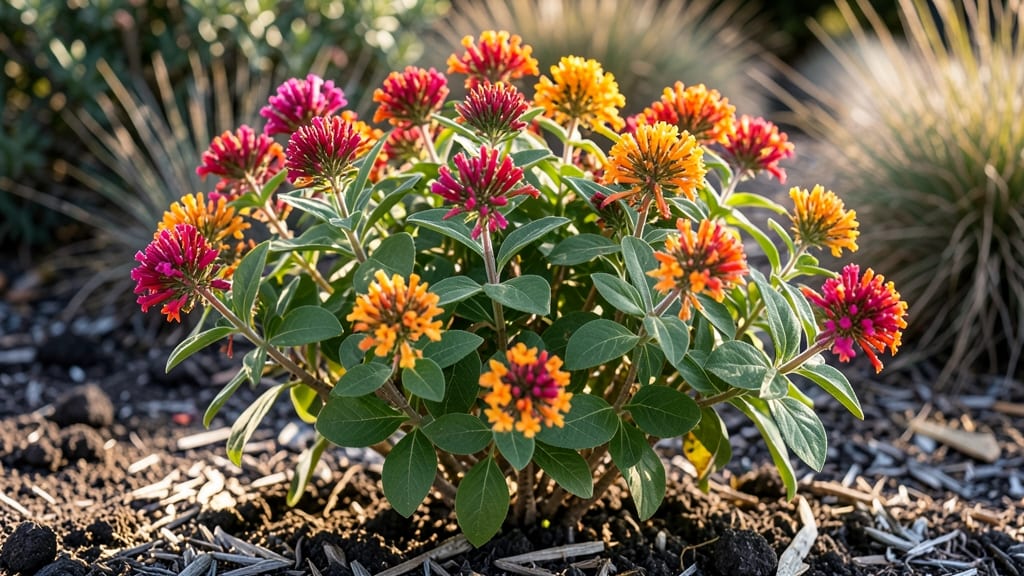
Lantana plants grow between 1 and 5 feet tall, depending on the variety and how you prune them—some stay compact while others sprawl into eye-catching shrubs.
If you’re considering lantana for your garden, knowing its growth habits is key—this fast-growing shrub can range from a compact border plant to an unruly jungle if left unchecked. But how tall should lantana grow in your climate?
Most gardeners love lantana for its year-round blooms and drought tolerance, but its height varies wildly. Dwarf varieties like Lantana montevidensis stay under 2 feet, while sprawling types like Lantana camara can stretch to 6 feet or more without pruning.
In this guide, I’ll break down the height ranges by species, share pruning tips to control growth, and explain how climate and soil affect how tall your lantana will get—so you can keep it looking its best.


Lantana plant height chart by variety: compact vs. tall-growing types
Lantana plants are famously adaptable, but their mature height varies dramatically between varieties—from dwarf cultivars perfect for containers to sprawling shrubs that need serious pruning. Understanding these differences helps you choose the right type for your space and pruning plan.
Whether you want a neat border plant or a wildflower magnet, knowing the growth habits of each variety is essential.
Most lantana varieties fall into three height categories: dwarf (under 2 feet), medium (2-4 feet), and tall (4-6+ feet). The Bandana Series and Weeping lantana are popular compact choices, while Lantana montevidensis and Lantana microphylla can reach impressive heights if left unchecked.
Your climate and pruning habits will also influence how tall your lantana grows.
| Variety | Mature Height | Spread | Growth Habit | Pruning Needs |
|---|---|---|---|---|
| Lantana camara 'Bandana Series' | 1-2 ft | 2-3 ft | Compact, bushy | Light pruning to shape |
| Lantana montevidensis | 4-6 ft | 5-7 ft | Sprawling, woody | Regular pruning required |
| Lantana microphylla | 3-5 ft | 4-6 ft | Semi-sprawling | Moderate pruning for control |
| Lantana camara 'Weeping' | 2-3 ft | 3-4 ft | Trailing, graceful | Minimal pruning for shape |
| Lantana camara 'New Gold' | 2-3 ft | 3-4 ft | Bushy, upright | Light pruning for density |
The Bandana Series is my go-to for small-space gardens because it stays under 2 feet tall while still producing vibrant blooms year-round. These dwarf varieties are perfect for containers, window boxes, or foundation plantings where you don’t want a towering shrub.
Their compact size also makes them ideal for urban gardens where space is limited.
On the opposite end of the spectrum, Lantana montevidensis can reach 6 feet or taller in ideal conditions, making it a statement plant for large landscapes or naturalized areas.
If you’re growing this variety, plan for regular pruning to keep it from becoming unruly. Without maintenance, it can spread aggressively, especially in warm climates where it thrives.
For a middle-ground option, Lantana microphylla offers a balance with heights of 3-5 feet and a semi-sprawling habit. This variety is great for mixed borders or as a privacy screen when planted in a row.
Its woody stems also make it more winter-hardy in USDA Zone 8 compared to softer-stemmed varieties.
If you love the look of trailing lantana but want to control its height, the Weeping lantana is a fantastic choice. It typically stays between 2-3 feet tall but spreads 3-4 feet wide, making it perfect for hanging baskets, trellises, or cascading over walls.
Prune lightly to encourage a fuller, bushier appearance without sacrificing its graceful trailing habit.
One of the biggest mistakes I see gardeners make is underestimating lantana’s growth potential. Even dwarf varieties can outgrow their space if not pruned occasionally.
For example, a Bandana Series lantana left unpruned for a year might double in size, reaching 3 feet tall instead of its intended 1-2 feet. Always check the variety’s mature size before planting, especially in small gardens or containers.
Pruning isn’t just about controlling height—it’s also about encouraging more blooms. When you pinch back the tips of new growth, you stimulate bushier growth and prolonged flowering.
For tall varieties, a hard prune in early spring can reset their size and shape, while light trimming throughout the season keeps them manageable. Always use clean, sharp pruners to avoid damaging the plant.
For container-grown lantana, choose dwarf or semi-dwarf varieties like Bandana Series or New Gold to prevent root-bound issues. In pots, lantana grows more slowly but still benefits from regular pruning to maintain shape.
If you notice leggy growth, it’s a sign the plant needs more sunlight or heavier pruning to
How to control lantana height: pruning tips for bushy growth
Lantana plants thrive on regular pruning to maintain their desired height and encourage bushier growth. Without proper maintenance, these vibrant shrubs can quickly outgrow their space, reaching heights of 3 to 5 feet or more.
The key is understanding when and how to prune to keep your lantana looking its best while promoting abundant blooms.
Pruning isn't just about cutting back overgrowth—it's about shaping the plant to fit your garden design. For example, dwarf varieties like 'Bandana Lemon' stay compact at 2 to 3 feet, while standard types can easily exceed 5 feet if left unchecked.
The right technique makes all the difference in achieving that full, floriferous look lantana is famous for.
Lantana can grow 3-5 feet tall in ideal conditions, but some varieties like Lantana montevidensis spread 6+ feet wide. Without pruning, these plants become leggy and woody, reducing flower production. Prune annually to maintain shape and encourage bushier, more productive growth.
Timing is everything when it comes to pruning lantana. Spring pruning (just as new growth begins) helps set the stage for the growing season, while light pruning in fall removes dead or damaged stems.
I always use sharp, clean pruners to make cuts just above a leaf node—this encourages new branches to form right where you want them.
For bushier growth, focus on pruning the outer stems to encourage inward growth. Cut back 1/3 of the plant's height in early spring to stimulate dense foliage.
Avoid heavy pruning in late summer, as this can reduce fall blooms. Instead, do light shaping cuts to maintain form while preserving flowers.
One common mistake is pruning too late in the season. If you wait until fall or winter, you risk removing next year's flower buds. Another error is using dull tools, which can tear stems and invite disease.
Always disinfect your pruners with rubbing alcohol between cuts to prevent spreading pathogens.
To keep lantana at your preferred height, make pruning a regular part of your garden routine. I recommend pruning every 4-6 weeks during the growing season to maintain shape and encourage continuous blooming. With consistent care, you'll enjoy a compact, flowering powerhouse that stays within your garden's design plans.