
How To
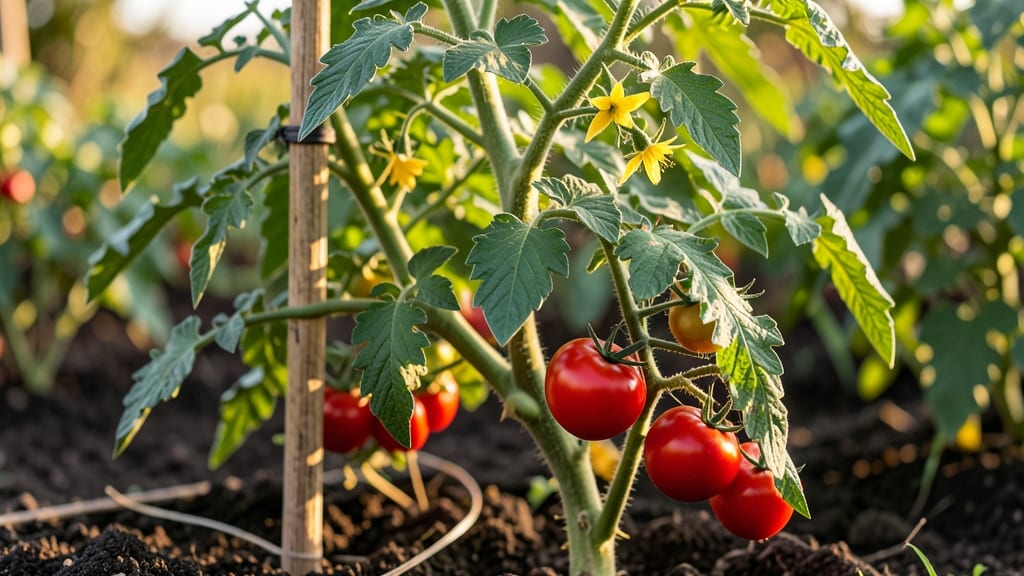
Before you plan your garden, learn how tall does tomato plants grow—it can range from just 3 feet to towering over 12 feet, depending on the variety and growing conditions!
Picture this: you’ve just planted your 🍅 seedlings, dreaming of a bountiful harvest, only to realize your backyard isn’t quite big enough for those towering vines. Or maybe you’re excited to try a compact variety but worry it won’t produce enough fruit.
The truth? Tomato heights vary wildly, and knowing the differences can save you from last-minute scrambling for support or wasted space.
Determinate varieties—like the classic Roma or Celebrity—top out around 3 to 5 feet, making them perfect for containers or small gardens. Indeterminate types, such as Sungold or Brandywine, can climb to 6 to 12 feet (or more!) if left unchecked, turning your garden into a vertical jungle.
The right choice depends on your space, goals, and how much pruning you’re willing to do.
In this guide, I’ll break down the height ranges by variety, share tips for managing tall plants, and help you pick the perfect 🍅 for your layout—whether you’re working with a balcony or a backyard. Ready to plan your perfect tomato tower?


Tomato plant height by variety: indeterminate vs determinate growth explained
When planning your garden, one of the first questions I ask is: how tall do tomato plants grow? The answer depends entirely on whether you're growing indeterminate or determinate varieties. These two growth habits create completely different garden layouts and care requirements.
Indeterminate tomatoes keep growing taller all season, while determinate types stop at a fixed height. Knowing the difference will help you choose the perfect variety for your space and support your plants effectively.
Determinate tomato plants are the bush-type varieties that reach a predictable height of 3 to 5 feet. They produce fruit all at once, making them ideal for canning or sauces.
These compact plants are perfect for containers, small gardens, or areas with limited space. Their growth habit also means they require less staking and support compared to their taller counterparts.
On the other hand, indeterminate tomato varieties are the vining giants of the tomato world, often reaching 6 to 12+ feet if left unchecked. These plants grow continuously throughout the season, producing fruit until the first frost.
While their height can be challenging to manage, indeterminate tomatoes offer a longer harvest window and are prized for fresh eating. Their sprawling growth makes them perfect for trellises or cages in larger garden spaces.
Understanding these differences helps with garden planning. For example, if you're working with a small urban garden, determinate varieties like 'Roma' or 'Celebrity' will thrive in containers or tight spaces.
Meanwhile, if you have vertical space, indeterminate varieties like 'Sungold' or 'Brandywine' can climb trellises, saving ground space for other plants. I always recommend sketching your garden layout before planting to visualize how tall your tomatoes will grow.
Another key factor is pruning and training. Indeterminate tomatoes need regular pruning to control height and direct energy toward fruit production. Removing suckers (the small shoots that form in the leaf axils) helps manage their growth and improves air circulation.
Determinate varieties, however, require little to no pruning since they naturally stay compact. This makes them a great choice for beginners or those who prefer low-maintenance gardening.
Support structures play a huge role in managing tomato height. For determinate varieties, a simple cage or stake is often enough to keep plants upright. For indeterminate tomatoes, however, you'll need a more robust system like a trellis, tomato tower, or sturdy wooden stakes.
I’ve found that using a 5-foot trellis for indeterminate varieties allows them to grow vertically while keeping the fruit off the ground, reducing disease risk. Always bury stakes or trellises deeply—at least 18 inches—to provide stability as the plant grows.
Climate also influences how tall tomato plants grow. In warmer climates, indeterminate varieties can grow even taller due to longer growing seasons. In cooler regions, their growth may be more limited, but they’ll still benefit from vertical support.
I’ve noticed that in my Zone 6 garden, indeterminate tomatoes like 'Cherokee Purple' reach about 8 feet with proper care, while determinate types like 'Better Boy' max out around 4 feet. Always check your local climate and variety recommendations to set realistic height expectations.
One common mistake I see is underestimating how much space tomato plants need as they grow. Even determinate varieties can spread 2 to 3 feet wide, so give them plenty of room or use mulch to keep the soil moist and cool.
For indeterminate types, plan for at least 3 feet of space between plants to allow for proper air circulation. This prevents diseases like blight and powdery mildew, which thrive in crowded, humid conditions. Proper spacing also makes it easier to harvest and maintain your plants throughout the season.
If you're growing tomatoes in containers or small spaces, choose dwarf or semi-dwarf varieties like 'Tiny Tim' or 'Patio Princess'. These stay under 3 feet tall and are perfect for balconies or patio gardens.
Even indeterminate varieties can be grown in containers if you use a tall, narrow pot and provide a trellis. Just ensure the container is at least 12 inches deep and has drainage holes to prevent root rot.
I’ve successfully grown 'Sungold' in a 5-gallon bucket with a trellis, producing plenty of fruit in a small footprint.
Finally, remember that tomato height affects yield. Indeterminate varieties may take up more space, but their continuous fruiting often results in a longer harvest. Determinate types produce a bumper crop all at once, which is great for preserving.
Choose the growth habit that best fits your gardening goals—whether it’s fresh eating, canning, or maximizing space. With the right variety and support, you can grow delicious tomatoes no matter how much (or little) space you have! 🌱
Top 5 tallest tomato varieties and how to manage their growth
If you're dreaming of a towering tomato plant that puts most gardeners to shame, you're in luck! Some varieties grow 10+ feet tall, making them perfect for vertical gardening.
These indeterminate giants need proper support and care to thrive, but the payoff is worth it—imagine pound after pound of homegrown tomatoes in a small footprint!
Tall tomato varieties aren't just for sprawling backyards. With the right trellising techniques and pruning strategies, you can grow these giants in containers, small spaces, or even against fences. The key is understanding their growth habits and giving them the support they crave from day one.
Here are my top 5 tallest tomato varieties and how to keep them under control (or let them soar, if you prefer!):
🌱 Height: 6–10 ft | Fruit: Orange cherry tomatoes | Growth Tip: Use a strong trellis or cattle panel—these vines get heavy!
🌱 Height: 8–12 ft | Fruit: Heirloom beefsteaks | Growth Tip: Prune suckers aggressively to focus energy on fruit, not vines.
🌱 Height: 7–10 ft | Fruit: Pink beefsteaks | Growth Tip: Train vines up a sturdy stake—this variety loves vertical space!
🌱 Height: 10–14 ft | Fruit: Large red slicers | Growth Tip: Espalier against a wall or fence to save space.
🌱 Height: 6–8 ft | Fruit: Hybrid beefsteaks | Growth Tip: Use a tomato cage + stakes for extra support.
For small gardens or containers, opt for dwarf varieties or prune aggressively. But if you have space, let these giants climb—they’ll reward you with bountiful harvests and a stunning vertical display! Just remember: Prune regularly to improve airflow and reduce disease risk.
My favorite trick? Top-dress with compost every few weeks to feed those hungry vines. With the right care, your 10-foot tomato towers will be the talk of the neighborhood! 🌿