
Plants
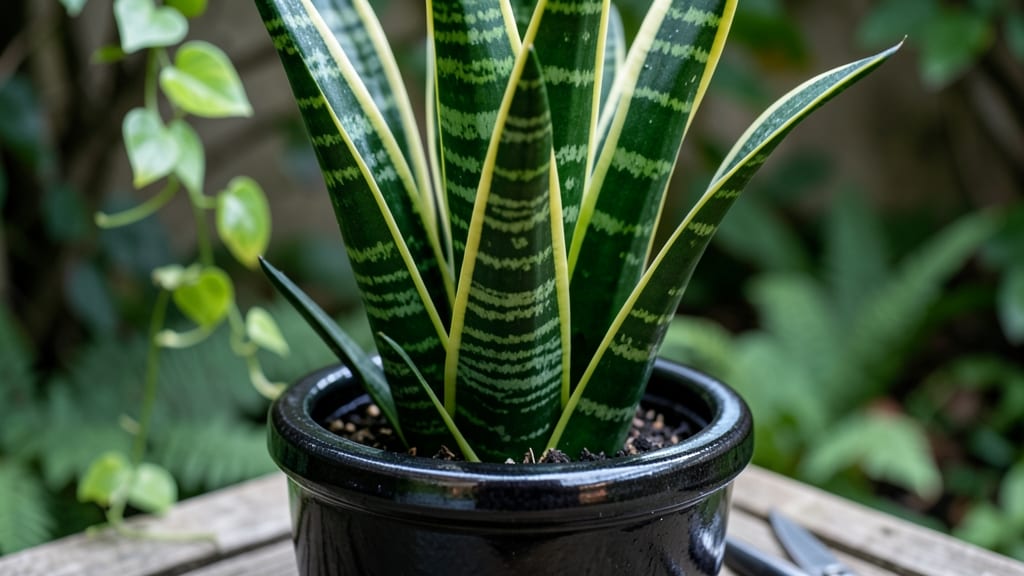
Snake plants grow to heights that can surprise even experts—some stay under 2 feet while others stretch over 10 feet tall, depending on the variety and care.
If you're wondering whether your snake plant will soon tower over your ceiling fan, you're not alone—this hardy succulent's growth habits surprise even seasoned gardeners. With over 70 varieties, their heights can vary dramatically from just a few inches to over 12 feet!
The key to unlocking your snake plant's full height potential lies in understanding its variety, light exposure, and container size. Some dwarf types like 'Hahnii' stay compact, while giants like 'Sansevieria ehrenbergii' reach skyscraper proportions with proper care.
In this guide, I'll break down exact height ranges by variety, factors that control growth, and pro tips to keep your snake plant thriving—whether you want it petite or towering.


Snake plant height ranges by variety: from dwarf to giant
If you've ever wondered why your snake plant seems to grow at its own pace, the answer lies in its variety. Some stay compact like a dwarf bonsai, while others reach towering heights like a small tree.
The Sansevieria genus includes over 70 species, each with distinct growth patterns. Understanding these ranges helps you choose the perfect plant for your space—whether you want a desk companion or a statement plant for your living room.
The most common snake plant varieties fall into three height categories: dwarf (under 2 feet), medium (2-4 feet), and tall (4+ feet). Some rare species even exceed 10 feet in ideal conditions.
Below, we break down the mature height ranges for popular varieties, including growth rates and care tips to maximize their potential. Knowing these details ensures you set realistic expectations and provide the right conditions for your plant's growth.
| Variety | Mature Height Range | Growth Rate | Ideal Conditions |
|---|---|---|---|
| Sansevieria trifasciata 'Hahnii' (Bird's Nest) | 1-2 ft | Slow (1-2 inches/year) | Bright, indirect light; small pots |
| Sansevieria trifasciata 'Futura Superba' | 2-3 ft | Moderate (3-5 inches/year) | Medium light; well-draining soil |
| Sansevieria trifasciata 'Laurentii' | 3-4 ft | Moderate (4-6 inches/year) | Bright light; occasional fertilizing |
| Sansevieria cylindrica | 6-10 ft | Fast (6-12 inches/year) | Full sun; large containers |
| Sansevieria ehrenbergii | 10-12 ft | Very fast (12+ inches/year) | Outdoor tropical climates; minimal care |
| Sansevieria 'Moonshine' | 2-3 ft | Slow to moderate (2-4 inches/year) | Bright, indirect light; small pots |
For dwarf varieties like Sansevieria trifasciata 'Hahnii', expect a compact growth habit with a rosette shape that rarely exceeds 2 feet. This makes it perfect for desk plants or shelving.
Its slow growth rate means you won’t need to repot frequently, but it thrives in small containers with well-draining soil. If you notice it stretching toward light, it’s time to move it to a brighter spot or rotate the pot to encourage even growth.
The medium-height varieties, such as 'Futura Superba' and 'Laurentii', strike a balance between manageable size and bold presence. These plants typically reach 3-4 feet at maturity, making them ideal for floor corners or bookshelves.
Their moderate growth rate means you’ll see noticeable height increases each year, especially with proper light exposure. Place them near a north-facing window or under grow lights to encourage vertical growth without stretching.
If you're dreaming of a tall, dramatic statement plant, varieties like Sansevieria cylindrica and Sansevieria ehrenbergii will deliver. These giant snake plants can soar to 10-12 feet in ideal conditions, making them perfect for large spaces or outdoor gardens in warm climates.
Their fast growth rate means they can add a foot
Factors that control snake plant growth height: light, pot size & care
Your snake plant's vertical growth isn't just about genetics—it's heavily influenced by three key factors: light exposure, pot size, and care habits. While some varieties naturally reach 6 feet tall, others stay compact at just 12 inches.
Understanding these controls lets you guide your plant's growth, whether you want a dwarf variety for shelves or a tall specimen as a room divider.
Light is the most powerful growth regulator. Bright indirect light fuels photosynthesis, accelerating vertical growth by 30-50% compared to low-light conditions. However, too much direct sun can stress leaves, stunting growth.
The pot size also plays a crucial role—root-bound plants grow taller faster as they compete for space, while oversized containers encourage bushier, shorter growth. Even watering frequency impacts height, as overwatering triggers leggy, weak stems.
Growth Factor Comparison
For tall-growing varieties like Sansevieria trifasciata 'Futura Superba', place them near east or west-facing windows where they receive 4-6 hours of morning light. Use a narrow, deep pot (12-18 inches tall) to encourage vertical growth.
Water deeply every 10-14 days and fertilize lightly in spring and fall to support their height potential. Avoid overcrowding—each plant needs at least 24 inches of space around it to reach its full height.
If you're growing dwarf varieties like Sansevieria 'Hahnii' (often called "bird's nest"), keep them in bright indirect light but avoid direct sun, which can scorch their small leaves. Use a shallow, wide pot (8-10 inches in diameter) to promote bushier growth.
Water sparingly—these varieties prefer drier conditions and will grow taller if overwatered. Prune leggy stems in early spring to encourage compact, fuller growth.
One often-overlooked factor is temperature fluctuations. Snake plants grow 20-30% slower in temperatures below 65°F or above 85°F. If your home has drafty windows or heating vents near your plant, growth will stall until conditions stabilize.
For indoor growers, a grow light (12-14 hours/day) can extend the growing season by 4-6 weeks, helping tall varieties reach their maximum height faster.
To maximize height in outdoor conditions, plant in well-draining soil with a 2-inch layer of gravel at the bottom to prevent root rot. In USDA zones 9-11, snake plants can grow up to 3 feet taller outdoors than indoors due to natural light cycles and temperature variations.
However, bring potted plants indoors before 50°F nights to protect them from cold damage, which can stunt growth permanently.
Remember, patience is key—most snake plants take 3-5 years to reach their mature height. Monitor your plant's growth rate by marking the pot's rim with a non-toxic marker every few months. If growth slows dramatically, reassess your light, water, and pot size—