
Companion Plants
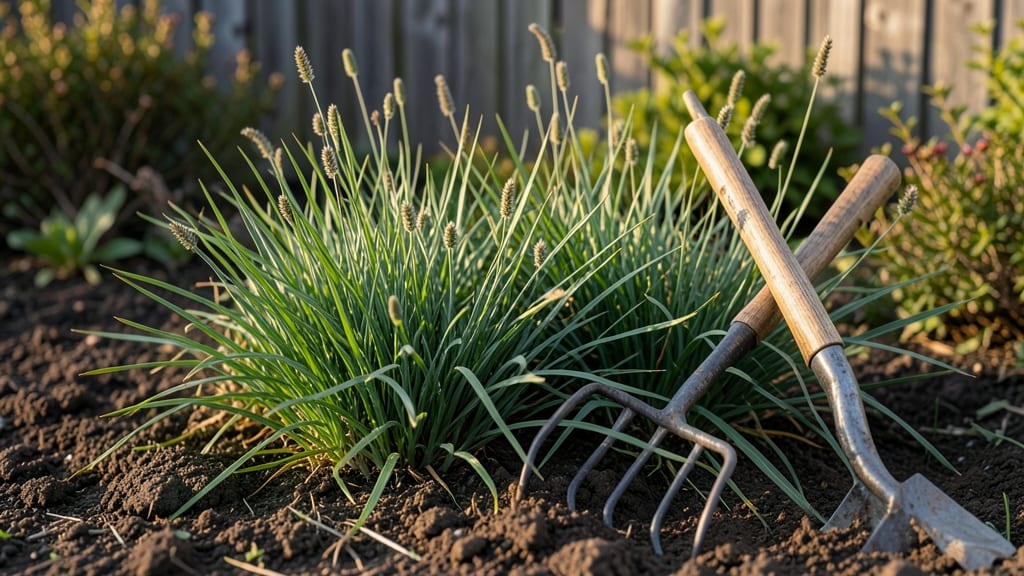
Planting grass seed in Colorado at the right time ensures fast germination and a lush lawn before summer heat or winter freeze sets in.
If you’ve ever watched your grass seed wash away in a spring downpour or struggle to take root in late-summer heat, you know timing is everything. Colorado’s 5-7 USDA zones and dramatic elevation shifts mean what works in Denver won’t always work on the Western Slope.
Most gardeners in Colorado plant grass seed in early spring (March–April) or late summer (August–September), but soil temperature and moisture are the real game-changers. Skip the guesswork with my breakdown of frost-free dates, microclimate adjustments, and the best grass types for your region.
You’ll learn how to prep your soil, choose the right seed mix, and water like a pro to avoid the three biggest mistakes that kill new lawns before they even start.
Best time to plant grass seed in Colorado: spring vs fall guidelines
Colorado’s dry climate and elevation variations make timing critical for grass seed success. Planting too early risks frost damage, while late planting can lead to summer drought stress.
The best windows are April-May for spring and September-October for fall, when soil temps and moisture align perfectly for germination. Let’s break down why these seasons work—and how to adapt for your specific Colorado region.
In spring, aim for planting after the last frost date (typically mid-April in Denver) but before June heat arrives. Soil temperatures should reach 60-75°F to encourage strong root growth. Fall planting, however, offers cooler temps and consistent rainfall, giving seedlings a head start before winter dormancy.
The 4-6 week window before first frost (usually mid-October) is ideal for most Colorado zones.
Soil temperature is your best guide—use a soil thermometer to confirm readiness. In spring, wait until temps stay above 55°F for 5+ days. For fall, stop planting when nighttime temps drop below 40°F. These thresholds prevent seed rot or poor germination due to cold stress. Colorado’s USDA Zones 5-7 add another layer, so adjust timing 1-2 weeks earlier for high-elevation areas like Fort Collins or Boulder.
For spring planting, focus on Kentucky Bluegrass and Fine Fescue, which thrive in Colorado’s cool-season climate.
These varieties germinate quickly in 50-65°F soil and handle light frost better than warm-season grasses. Tall Fescue and Perennial Ryegrass are better suited for fall, as they establish deeper roots before winter. Pro tip: Mix 3-4 grass seed varieties for a denser, more drought-resistant lawn.
Watering is non-negotiable in Colorado’s dry air. After planting, keep soil consistently moist (about 1/2 inch per week) for the first 2-3 weeks. Use a sprinkler with gentle mist to avoid displacing seeds.
In spring, water early morning to reduce evaporation; in fall, late afternoon works too, as cooler temps lower fungal risks. Mulch lightly with straw to retain moisture and protect seedlings from windburn.
If you’re overseeding an existing lawn, fall is superior—it’s easier to spot and fill thin areas before winter. For new lawns, spring planting gives grass a full growing season to establish before summer heat.
Test your soil’s pH (6.0-7.0 ideal) and add compost or peat moss if needed. Colorado’s alkaline soils often benefit from a gypsum amendment to improve drainage.
Watch for Colorado-specific challenges like hail damage (common in late spring) or early frosts in high-altitude areas. If planting in June or July, opt for drought-tolerant varieties like Buffalo Grass or use shade cloth to protect seedlings.
Always check local frost dates via the Colorado State University Extension for your county—timing can vary 2-3 weeks
How Colorado’s climate zones affect grass seed planting success
Colorado’s diverse climate zones create unique challenges for grass seed planting. The Front Range, Western Slope, and Eastern Plains each have distinct soil, water, and temperature conditions that demand tailored approaches.
Ignoring these regional differences can lead to poor germination or lawn failure. Understanding your specific zone helps you choose the right grass types and planting timeline for success.
Elevation plays a critical role—higher altitudes like the Western Slope (e.g., Grand Junction) experience cooler temperatures and shorter growing seasons, while the Eastern Plains (e.g., Pueblo) face hotter, drier conditions.
The Front Range (Denver, Fort Collins) balances these extremes but still requires zone-specific adjustments. Water availability varies dramatically, from Front Range irrigation systems to Western Slope drought restrictions.
| Zone | Best Planting Window | Recommended Grass Types | Water Needs | Key Considerations |
|---|---|---|---|---|
| Front Range (Denver, Boulder) | April-May (spring) or September (fall) | Kentucky Bluegrass, Fine Fescue | Moderate (1-1.5" weekly) | Cooler nights, reliable irrigation |
| Western Slope (Grand Junction, Aspen) | May-June (spring) or August (fall) | Tall Fescue, Buffalograss | Low (0.75-1" weekly) | Drought-prone, high elevation |
| Eastern Plains (Pueblo, Colorado Springs) | March-April (spring) or October (fall) | Bermudagrass, Zoysia | High (1.5-2" weekly) | Hot summers, windy conditions |
The Front Range offers the most predictable conditions for grass seed success, with Kentucky Bluegrass thriving in its cooler climate. Plant in April-May when soil temperatures reach 60-75°F, or opt for September planting to avoid summer heat stress.
This zone benefits from moderate watering (1-1.5" weekly) due to consistent rainfall patterns.
For the Western Slope, where elevations exceed 5,000 feet, timing is critical. Delay planting until May-June to escape late frosts, and choose drought-tolerant grasses like Tall Fescue.
Water deeply but infrequently (0.75-1" weekly) to encourage deep root growth. Buffalograss is an excellent native option for low-maintenance lawns in this arid region.
In the Eastern Plains, where summer temperatures often exceed 90°F, plant Bermudagrass or Zoysia for heat tolerance. Spring planting should occur by April to establish roots before monsoon season, while fall planting in October avoids winter dormancy challenges.
These grasses require high water (1.5-2" weekly) during establishment but become drought-resistant once mature.
Regardless of zone, always test your soil pH (ideal: 6.0-7.0) and amend with compost before planting. Mulch newly seeded areas with straw to retain moisture and protect seeds from wind. Adjust your watering schedule based on local weather—Colorado’s unpredictable storms can either flood or dry out your lawn unexpectedly.
By aligning your planting strategy with your specific climate zone, you’ll maximize germination rates and create a lush, resilient lawn that thrives in Colorado’s diverse conditions. 🌱