
Plants
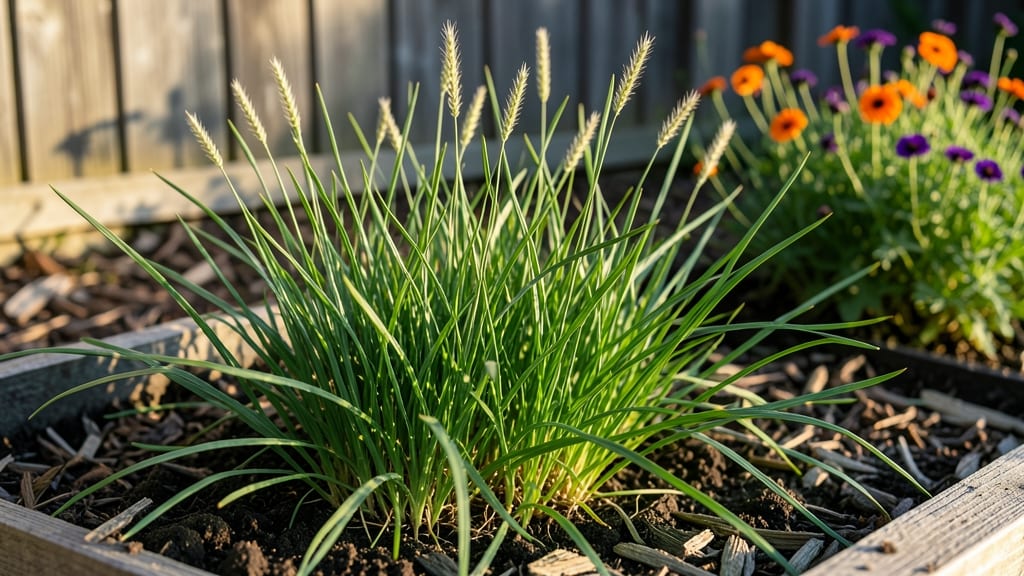
Planting ryegrass seed in Texas at the right time means the difference between a thick, green winter lawn and a patchy disappointment 🌱 — and the window is narrower than most gardeners realize.
If you’ve ever struggled with bare patches in your Texas lawn during winter, ryegrass could be your game-changer—but timing is everything. Plant too early or too late, and you’ll either waste seed or miss the ideal growing window for a thick, green cover.
The best time to plant ryegrass in Texas is late summer to early fall, when soil temperatures drop below 80°F and before the first frost hits. This gives the grass 4-6 weeks to establish roots before winter slows things down.
Below, I’ll walk you through the exact months for your region, how to prep your soil, and the one mistake that kills more ryegrass in Texas than anything else—so you can finally get that lush winter cover you’ve been dreaming of.
Best planting windows for ryegrass in Texas: month-by-month guide
Timing your ryegrass planting in Texas is critical—get it wrong, and you’ll either deal with slow germination or seed that rots in the heat. The Lone Star State’s diverse climate means North Texas has cooler winters than South Texas, so planting windows shift dramatically.
For best results, aim for late summer to early fall when soil temps drop below 85°F but stay above 60°F.
Ryegrass thrives as a cool-season grass, meaning it needs 4-6 weeks before the first frost to establish roots. In North Texas (USDA Zones 7b-8a), that’s typically mid-August to early October.
Meanwhile, Central Texas (Zones 8a-8b) can plant until late September, and South Texas (Zones 8b-9a) might extend to early November in milder microclimates.
Here’s your month-by-month breakdown for planting ryegrass seed across Texas regions, including soil temperature thresholds and key prep steps to maximize germination success.
⚠️ CRITICAL: Avoid planting when soil temps exceed 85°F—seeds risk drying out before sprouting. Use a soil thermometer to check temps at 4-inch depth before seeding.
For North Texas, the ideal window is late August to early September—this gives ryegrass 8-10 weeks to establish before winter.
In Central Texas, wait until soil temps drop below 80°F (usually mid-September) to avoid heat stress. South Texas gardeners can push planting to early November in protected microclimates, but monitor first frost dates closely.
If you miss the fall window, don’t despair—overseeding in late winter (February) works too. This gives ryegrass a spring growing season before summer heat sets in. Just ensure soil temps are above 55°F to avoid slow germination.
For best results, use a seed-to-soil contact roller after planting to ensure seeds make contact with moist earth.
One common mistake Texas gardeners make is planting too early in summer. Ryegrass seeds need consistent moisture to germinate, and high summer temps + dry winds will dry them out before sprouting.
If you plant in June or July, expect 50% or lower germination rates unless you’re in a shaded, irrigated area.
Pro tip: Water deeply twice daily for the first 2 weeks after planting—keep the top 2 inches of soil consistently moist. Once seedlings emerge (typically 7-14 days), reduce to deep watering 2-3 times per week. Avoid overwatering, which can lead to fungal diseases
How to prepare your Texas soil for fall ryegrass planting
Fall is the perfect time to plant ryegrass in Texas, but your soil preparation makes or breaks success. Texas soils—whether clay-heavy or sandy loam—often need adjustments to support cool-season grasses like ryegrass.
Start by testing your soil pH and nutrient levels, as ryegrass thrives in slightly acidic to neutral conditions (pH 6.0-7.0).
If your soil is compacted or low in organic matter, aeration and compost addition are essential. Texas clay soils, in particular, benefit from gypsum or sand amendments to improve drainage while retaining moisture. Skipping this step can lead to poor seed-to-soil contact and uneven germination.
Organic vs. Synthetic Soil Prep for Ryegrass
Organic Soil Prep
- Pros: Improves soil structure long-term, adds nutrients gradually, cost-effective for large areas.
- Cons: Slower results, may require more frequent applications.
Synthetic Soil Prep
- Pros: Fast-acting, precise nutrient delivery, ideal for quick fixes.
- Cons: Can disrupt soil biology, higher cost per application, risk of over-fertilization.
For pH adjustment, lime raises pH while sulfur lowers it. Aim for a target pH of 6.0-7.0—ryegrass struggles outside this range. If your soil tests high in phosphorus or potassium, a balanced 10-20-10 fertilizer (high nitrogen) will give your grass the kickstart it needs.
Organic options like alfalfa meal or bone meal work well too.
After adjusting pH and nutrients, loosen the top 2-3 inches of soil with a rake or aerator. This ensures seed-to-soil contact, which is critical for germination.
For clay soils, add composted pine bark or peat moss to improve aeration. Water lightly after prep to settle the soil without displacing amendments.
Finally, consider a starter fertilizer with high phosphorus (e.g., 5-10-5) to encourage root development. Organic choices like fish emulsion or kelp meal provide micronutrients without synthetic chemicals. Apply this 1-2 days before planting to avoid seed burn.
With your soil prepped, you’re ready to sow ryegrass seed in late August to early October—just in time for fall rains and cooler temperatures. Proper prep now means a lush, green lawn by winter. 🌱