
Plants
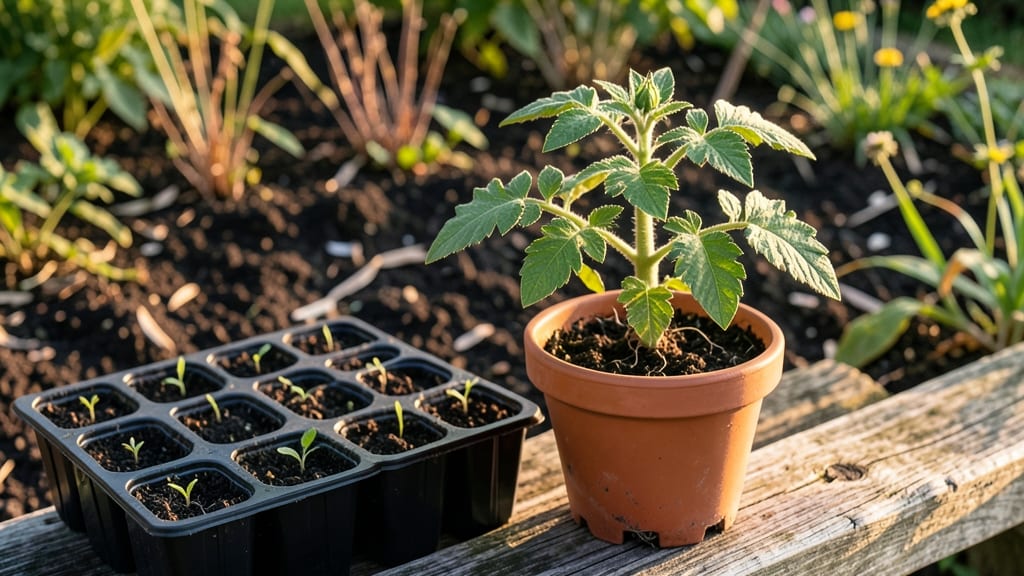
To plant fall tomatoes in South Texas, aim for late July to early September—this window balances escaping summer’s brutal heat while giving your 🍅 plants enough time to mature before frost.
South Texas gardeners know the difference between a successful fall tomato harvest and a frost-killed crop often comes down to timing—plant too early, and the heat will scorch your plants; too late, and frost will ruin your efforts.
Fall planting in this region offers big advantages: milder temperatures mean fewer pests, and the shorter days signal tomatoes to focus on fruit instead of foliage. But the clock is ticking—miss the window, and you’ll face stunted growth or a crop lost to early frost.
Below, I’ll break down the exact deadlines by microclimate, how to prep your soil for South Texas’ unique challenges, and the fastest-growing varieties that thrive in our 9a-10a zone.
South Texas fall tomato planting deadlines by microclimate zone
South Texas' diverse microclimates create unique planting windows for fall tomatoes. The Upper Coast (Beaumont, Port Arthur) has earlier frost dates than the Rio Grande Valley (Brownsville, McAllen), meaning your planting deadline shifts dramatically across just 200 miles.
Even within cities, urban heat islands can delay frost by 1-2 weeks compared to rural areas.
For reliable harvests, aim to plant 6-8 weeks before your area's average first frost. This ensures tomatoes mature before temperatures drop below 32°F. However, heat-tolerant varieties like 'Heatmaster' can stretch your window slightly—especially in Zone 10a areas where frost arrives later.
Below is your microclimate-specific planting timeline, accounting for first frost dates, soil warmth, and urban vs. rural adjustments.
Use this to pinpoint your ideal transplant date and avoid the 3 most common mistakes: planting too early (heat stress), too late (frost risk), or ignoring soil temperature (poor root growth).
Notice how the Rio Grande Valley has a full month later deadline than
Signs your South Texas soil and weather are ready for fall tomatoes
Fall tomatoes thrive in South Texas when the soil temperature drops below 85°F (29°C) and daylight hours shorten to 12 hours or less. These cues signal your plants can focus on fruiting instead of just leaf growth.
I’ve learned the hard way—planting too early in summer heat leads to stunted growth, while waiting too long risks early frost damage.
Start by checking your soil temperature at 6 inches deep—use a soil thermometer for accuracy. Ideal fall planting temps range between 60°F (15°C) and 75°F (24°C). If your soil is still above 80°F (27°C), wait another week.
Humidity also plays a role; South Texas’ fall humidity typically drops below 60% by late August, reducing fungal risks like early blight.
⚠️ callout warning ⚠️
Even if nighttime temps feel comfortable, daytime heat above 90°F (32°C) can stress young tomato plants. Test for residual heat by placing a glass jar filled with water in your garden—if it stays warm after sunset, delay planting. Urban areas (like San Antonio) hold heat longer than rural spots, so adjust your timeline accordingly.
Watch for day-length changes—when days shorten to 11.5 hours of sunlight, tomato plants shift from vegetative growth to flowering.
I track this by noting when my shade patterns change; shorter shadows mean it’s time to prep your beds. Morning fog is another telltale sign—it indicates cooler nights and lower humidity, perfect for tomato pollination.
Test your soil’s readiness by digging a small hole and feeling for moisture. The soil should be warm but not scorching, with moderate moisture retention. If it’s dry or cracked, water deeply 2–3 days before planting to stabilize soil temps.
Amend with compost or aged manure to improve water retention and nutrient availability.
Listen to your local weather patterns—South Texas’ fall frost dates vary by zone. The Upper Coast (e.g., Corpus Christi) averages first frost in mid-November, while the Rio Grande Valley can extend harvests into December.
Plant 6–8 weeks before your area’s frost date to ensure mature fruit before cold snaps.
Finally, observe your existing plants. If summer annuals like okra or sweet potatoes are bolting or wilting, it’s a sign the heat is breaking. Replace them with tomato transplants or sow seeds—your soil and weather are now primed for a productive fall harvest.