
Plants
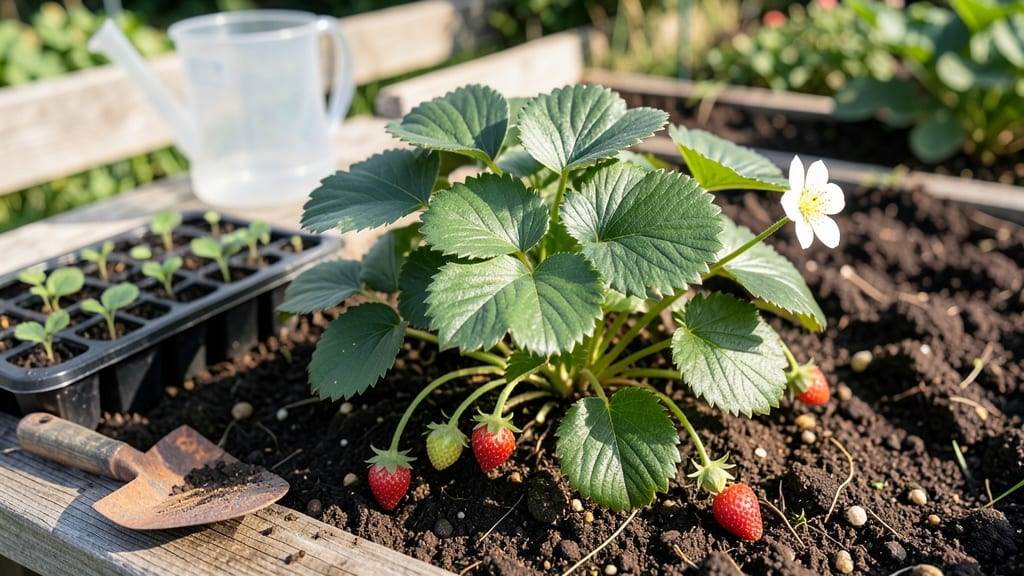
To plant strawberries in South Texas, timing is everything—fall and early spring offer the best windows for thriving 🍓 harvests in zones 9a-10a.
South Texas gardeners know the struggle—scorching summers and unpredictable winters make strawberry planting a high-stakes gamble. But with the right timing, you can enjoy berries year-round, even in Zone 9a-10a’s extreme heat.
Fall planting (September–November) lets roots establish before winter, while spring (February–March) avoids summer’s brutal temperatures. Everbearing varieties stretch harvests, but June-bearing types need cooler months to fruit.
Below, I break down the exact months for your microclimate, soil prep secrets, and how to keep plants alive through South Texas’ long, dry summers.
Best planting months for strawberries in South Texas by microclimate
South Texas gardeners face a unique challenge with its extreme heat and unpredictable winters. Unlike northern regions, the optimal planting windows shift dramatically depending on whether you're in North, Central, or South Texas.
The key? Timing your plantings to avoid summer heat stress and winter dieback while maximizing rainfall patterns.
In North Texas (Zone 8b), where frosts linger longer, your best bets are September-October for fall harvests and February-March for spring. Meanwhile, Central Texas (Zone 9a) and South Texas (Zone 9b-10a) can push planting into November for winter berries, thanks to milder winters.
But everbearing varieties like 'Fort Laramie' or 'Chandler' give you flexibility—plant them in fall or spring for staggered harvests.
For June-bearing varieties like 'Chandler', focus on fall planting (September-October) in North Texas—they need cool winter dormancy to set fruit. In Central and South Texas, you can extend planting into November for winter harvests, but avoid planting after December 1st—new plants won’t establish before summer heat arrives.
Everbearing varieties like 'Seascape' or 'Sweet Charlie' are your secret weapon for year-round harvests. Plant them in both fall and spring—they’ll produce small berries in winter and larger yields in spring.
In South Texas (Zone 9b-10a), where winters are mild, you can even get continuous production with proper shade and irrigation.
Rainfall patterns play a critical role. September-October plantings benefit from late-summer rains, while spring plantings (February-March) rely on consistent irrigation as temperatures rise. In South Texas, where summer monsoons can drown roots, use raised beds or containers to improve drainage.
Mulch with straw or wood chips to retain moisture and regulate soil temperature.
Pro tip: Hardening off bare-root plants is a must in South Texas. If you buy plants in January-February, keep them in shade cloth for 1-2 weeks before transplanting to prevent sunburn.
For fall plantings, start with partial shade and gradually move plants to full sun as temperatures drop below 90°F.
Don’t overlook soil temperature—strawberries need soil at least 60°F to root. In North Texas, wait until soil warms in late February for spring plantings. In South Texas, January is ideal because the ground stays warm longer.
Test soil with a thermometer or wait until daytime highs consistently stay above 70°F.
One common mistake? Planting too late in spring (after March 15th) when 100°F+ heat is just around the corner. Instead, opt for shade-tolerant varieties like 'Albionel' or use 30% shade cloth during peak afternoon sun. Pair this with drip irrigation to keep roots cool and berries clean.
Remember: South Texas’ microclimates create opportunities for year-round strawberries if you adapt your approach. With the right varieties, timing, and care, you can enjoy sweet berries from December to July—no matter where you garden in the Lone Star State. 🌱
How to extend strawberry season in South Texas heat: cooling strategies
South Texas summers can turn strawberry plants into wilted messes if you don't act fast. The key to year-round harvests lies in heat management—not just during planting but throughout the growing season.
I've learned that shade, mulch, and smart watering can push your strawberries through 100°F+ days without skipping a beat.
First, let's talk about variety selection. Not all strawberries handle our heat equally. 'Chandler' and 'Fort Laramie' are my top picks—they're bred for heat tolerance and produce fruit even when temps soar. These varieties can survive summer with minimal stress, while others might bolt or rot.
Here's where things get tactical: shade cloth isn't just for aesthetics. A 30-50% shade cloth draped over your beds during peak afternoon sun (12 PM - 4 PM) can drop temperatures near the plants by 10-15°F.
I use hoop houses with shade cloth in my Central Texas garden, and it's made the difference between burned leaves and plump berries.
🌱
Organic vs. Synthetic Mulches for South Texas Strawberries
Organic Mulch
- Pros: Improves soil over time, retains moisture, suppresses weeds
- Cons: Breaks down faster (needs replenishing), can attract pests
- Best for: Long-term beds, compost enrichment
Synthetic Mulch
- Pros: Lasts 2-3 years, reflects sunlight (cools roots), weed-free
- Cons: Doesn't improve soil, can overheat if too reflective
- Best for: Short-term heat protection, container growing
🌿 My recommendation: Use straw or wood chips (organic) in fall/winter and switch to black landscape fabric (synthetic) in summer.
Now, let's talk watering schedules. Most gardeners overwater in the heat, thinking more is better—but strawberries hate wet foliage and root rot. I use drip irrigation on a timer set for 30 minutes every morning at 5 AM.
This keeps roots moist without soaking the leaves, which is crucial in our humid summers. For containers, I water every 2-3 days with 1 cup per plant.
Don't overlook the power of mulch thickness. A 4-6 inch layer of mulch acts like an insulator, keeping soil temps 10°F cooler than bare ground. I've had success with pine straw in spring and black plastic in summer—both work but for different reasons.
The pine straw retains moisture, while the plastic reflects heat away from the plants.
Finally, prune strategically. Remove old leaves and runner plants during summer to reduce transpiration stress. I leave just 3-4 healthy leaves per plant to focus energy on fruit production rather than foliage.
This might seem harsh, but it's what keeps my 'Fort Laramie' plants producing through August when others have given up.
☀️