
Plants
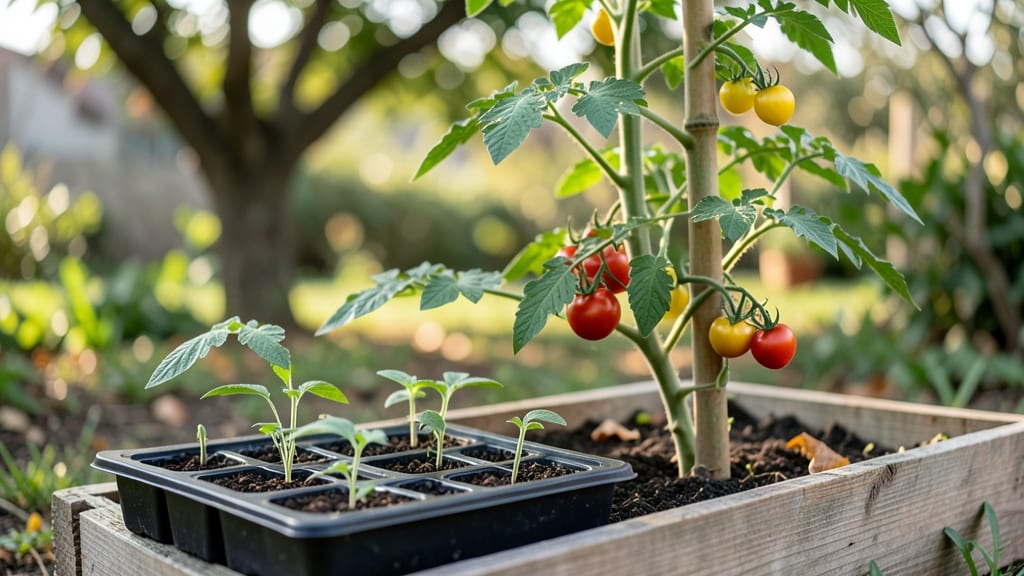
Planting tomatoes in Florida requires timing them to avoid the brutal summer heat and humidity, which can scorch young plants and stunt fruit production.
Picture this: you’ve sown your 🍅 seeds in early spring, only to watch them bolt in the 90°F temperatures by May. Or worse, you plant too late in summer and harvest nothing before the first frost—though Florida’s 9a-11 zones rarely see frost, the heat itself is the real enemy.
The key is planting when soil temps are ideal (at least 60°F) and avoiding the dog days of summer.
This guide breaks down the best windows for Florida’s microclimates—whether you’re in the Panhandle, Orlando, or the Keys—so you can time your plantings for two harvests a year instead of one.
We’ll also cover how to beat Florida’s unique challenges, like fungal pressure and pest outbreaks, so your tomatoes thrive when others fail.
By the end, you’ll know exactly when to start seeds indoors, when to transplant, and how to stagger plantings for a continuous harvest. No more guessing—just bold, productive vines and baskets full of ripe fruit.
Florida’s tomato planting zones: exact months by microclimate
Florida’s tomato planting success hinges on understanding its microclimates, which range from cool coastal breezes to sweltering inland heat. Unlike northern states, Florida’s frost-free zones (USDA 9a–11) allow year-round growing—but timing matters.
Plant too early in North Florida, and heat stress stunts growth; too late in South Florida, and you’ll face summer bolting. Let’s break down the exact months for each region.
In North Florida (Panhandle to Orlando), cooler winters and hotter summers create a bimodal planting window. Start seeds indoors 8–10 weeks before your last frost (typically February for early varieties) or transplant February–March for spring harvests.
For fall, aim for July–August transplants to avoid summer’s brutal heat. Coastal areas like Apalachicola can push spring planting to January, while inland Gainesville waits until March.
Central Florida (Tampa to Lakeland) enjoys the most predictable growing conditions, with January–February as the sweet spot for spring transplants. For fall, August–September avoids the worst summer heat. Coastal areas like St. Petersburg can start as early as December, while inland Polk County waits until February. The 90°F+ threshold here triggers bolting, so afternoon shade cloth is a game-changer for summer plantings.
In South Florida (Miami to Key West), tomatoes thrive year-round, but heat tolerance is key. Plant December–January for spring harvests and September–October for fall. Coastal Miami gardens can push spring starts to November, while inland Fort Lauderdale waits until January.
The 88°F+ continuous heat demands shade cloth and drip irrigation to prevent sunscald and water stress. Varieties like ‘Heatmaster’ or ‘Solar Fire’ excel here.
For coastal vs. inland differences, timing shifts by 1 month. Coastal areas benefit from moderating ocean breezes, allowing earlier spring starts and later fall plantings. Inland zones face higher daytime temps and
How to adjust planting for Florida’s unpredictable weather patterns
Florida’s weather can shift from unseasonable heatwaves in early spring to hurricane risks by summer, making tomato planting a moving target. Unlike northern climates, you can’t rely on a single frost date—your strategy must account for soil temperature swings, humidity spikes, and sudden storms.
The key? Flexibility in timing and protective measures that shield young plants from extremes.
Start by monitoring soil temperatures with a thermometer—tomatoes thrive when soil stays between 60°F and 85°F. If temperatures climb above 90°F before your seedlings are established, they’ll bolt (flower prematurely) or develop sunscald.
In North Florida, this often means delaying spring plantings until mid-March, while South Florida gardeners might push seedlings into the ground as early as late January—but only if nighttime temps stay above 55°F.
⚠️ callout-warning
Planting too late risks young tomatoes being uprooted by June storms. If you miss the March-April window, opt for fast-maturing varieties (50-60 days to harvest) and use hurricane ties to secure stakes. Coastal areas should delay until after June 1st to avoid storm damage.
For transplanting, harden off seedlings gradually—expose them to afternoon sun for 2-3 hours daily over 5-7 days before moving them outdoors. In Central Florida, where afternoon thunderstorms are common, plant on a cloudy day to reduce transplant shock.
Use drip irrigation to keep soil consistently moist, as Florida’s sandy soils dry out quickly during summer heatwaves.
Protective measures are non-negotiable. Use shade cloth (30-50%) during peak summer months (June-August) to lower soil temps and prevent blossom drop. In South Florida’s Zone 11, where heat persists year-round, choose heat-tolerant varieties like ‘Solar Fire’ or ‘Heatmaster’ and mulch with straw or black plastic to retain moisture.
For container growing, move pots to shaded areas during 100°F+ days.
Don’t forget succession planting—sow new seeds every 2-3 weeks from March through August to stagger harvests. This ensures you always have young, productive plants when storms or heatwaves threaten mature ones.
In North Florida’s Zone 8b, aim for a final spring planting by May 15th to harvest before September’s hurricane season peaks.
Finally, keep an eye on the National Weather Service’s tropical outlooks. If a storm is forecast within 48 hours, prioritize harvesting ripe tomatoes and securing containers. For in-ground plants, prune lower leaves to reduce wind damage and stake plants at a 45-degree angle for better stability.
With these adjustments, you’ll turn Florida’s chaos into a year-round tomato bounty. 🌱