
Plants
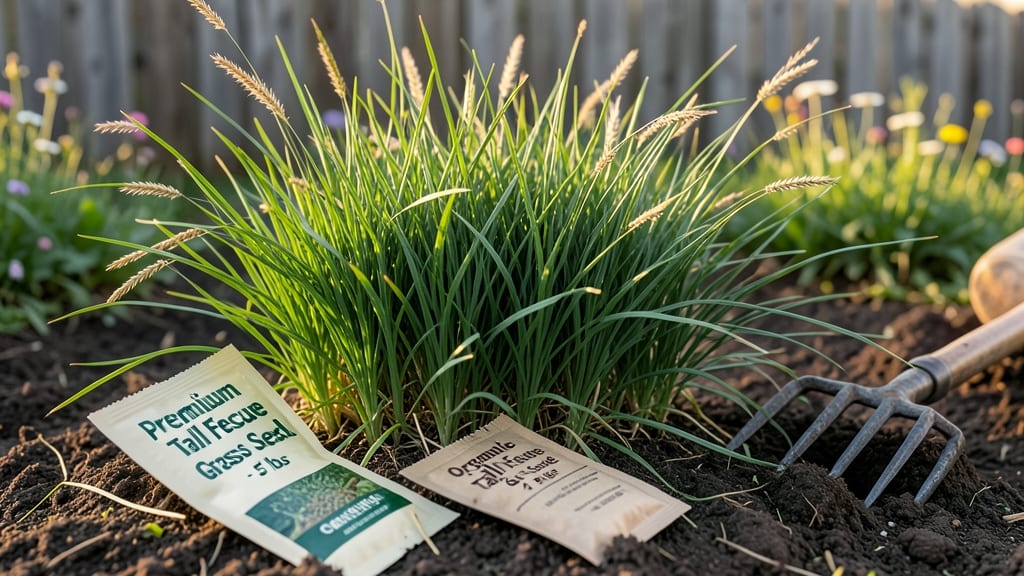
Planting grass seed in Austin during fall—between late August and October—gives your lawn the best shot at thriving through Central Texas’s brutal summers.
Picture this: You’ve spent hours prepping your soil, only to watch your new 🌱 turfgrass wilts under Austin’s relentless sun or drowns in sudden downpours. The difference between a lush lawn and a patchy disappointment often comes down to timing—and fall is your golden window.
Why? Because cooler temperatures and natural rainfall work with your grass, not against it. Spring planting can leave your lawn struggling to establish before the heat kicks in, but fall gives your seeds 60-75°F soil, perfect for germination, and a head start before winter slows things down.
In this guide, I’ll walk you through the exact month-by-month schedule for Austin’s top grass types, soil prep secrets, and watering tricks to keep your lawn thick and drought-resistant—no guesswork, just results.
Austin’s ideal grass seed planting window: why fall wins over spring
Austin’s fall planting window—from late September to November—isn’t just luck; it’s science. When soil temperatures hover between 60-75°F, grass seeds germinate faster and establish deeper roots before winter slows growth.
Spring planting, on the other hand, often leaves lawns struggling to survive Austin’s 100°F+ heat before roots take hold.
Fall’s cooler temps also mean less water stress on young grass. Natural rainfall patterns in September and October provide the perfect moisture balance, reducing your workload while giving seeds the hydration they need.
Plus, fall-planted grass enters winter with a strong root system, ready to bounce back when spring arrives.
Here’s the key difference: Spring-planted grass faces intense competition from weeds and must fight for resources in Austin’s alkaline soil. Fall gives your lawn a head start against weeds and drought, setting you up for a thicker, greener lawn by summer.
| Season | Soil Temp (°F) | Rainfall (inches) | Germination Time | Weed Competition |
|---|---|---|---|---|
| Fall (Sept-Nov) | 60-75°F | 2.5-4.5" | 14-21 days | Low (dormant weeds) |
| Spring (Feb-Mar) | 50-65°F | 1.5-3" | 21-30 days | High (weed explosion) |
| Summer (June-Aug) | 85-100°F | 0.5-2" | Poor germination | N/A (too hot) |
For Bermuda grass, fall planting means it can go dormant in winter and wake up thicker in spring. St. Augustine, Austin’s shade-tolerant favorite, thrives in fall’s humidity without the stress of summer heat. Even Buffalo grass, a drought-resistant native, establishes better roots when planted in cooler months.
Urban Austin yards face extra challenges like hardpan soil and microclimates (e.g., shaded backyards vs. sun-baked driveways). Fall’s cooler temps help break up compacted soil with less effort, and natural rains reduce your need for irrigation.
Rural areas benefit too—less competition from weeds and more time for roots to penetrate deep before winter.
Drought resilience starts in fall. Grass planted now develops deeper roots that tap into Austin’s water table, making it far tougher when summer hits. Spring-planted grass often shallows out, leaving it vulnerable to heat stress and drought.
Think of fall as your insurance policy for a lawn that survives Central Texas summers.
Timing matters even within fall. Plant too early (before September 15), and seeds may sprout too fast before rains arrive. Plant too late (after November 15), and winter’s chill can stunt growth.
Aim for that 60-75°F soil window, and you’ll see uniform germination and faster establishment.
Pro tip: Use a soil thermometer to check temps before planting. If your soil is below 60°F, wait a week or two—your grass will thank you.
And if you’re in a shady microclimate, stick to St. Augustine or Buffalo grass, which handle cooler, wetter conditions better than Bermuda.
Ready to turn your lawn into Austin’s envy? Fall is your best shot—just don’t wait until December. The clock’s ticking, and your perfect lawn starts with the right timing. 🌱
Step-by-step fall planting schedule for Austin’s top 3 grass types
Austin’s fall planting window (late August through October) is your best shot at a thick, drought-resistant lawn. This schedule covers Bermuda, St. Augustine, and Buffalo grass, Austin’s top choices, with month-by-month deadlines and soil prep tips to beat hardpan clay and unpredictable rains.
Skip the guesswork—follow these steps to ensure your new grass outpaces weeds and thrives through next summer.
Start by testing your soil’s pH (6.0–7.5 ideal) and loosening compacted areas with a core aerator. Austin’s clay-heavy soil needs 2–3 inches of compost mixed in before seeding.
For Bermuda grass, plant late August–early September when soil temps drop below 85°F. St. Augustine and Buffalo grass wait until mid-September to avoid summer heat stress.
📅 Fall Grass Planting Timeline for Austin
- Late August: Soil Prep – Aerate hardpan clay, rake smooth, and mix in compost (2–3 inches). Test pH (6.0–7.5) and amend with sulfur if needed.
- Early September: Bermuda Grass – Plant 1–2 lbs seed/100 sqft. Water daily (light mist) for 14 days, then deep soak (1–1.5 inches/week). Avoid foot traffic for 4–6 weeks.
- Mid-September: St. Augustine & Buffalo Grass – Plant plugs (12–18"/sqft) or seed (5–10 lbs/100 sqft). Water 2x daily (morning/evening) for 21 days, then taper to 3x/week.
- October: First Mowing & Fertilizer – Mow St. Augustine to 3–4 inches when it hits 4 inches tall. Apply slow-release fertilizer (16-4-8 NPK) for winter hardiness. Reduce watering to 2–3x/week.
- November: Winter Prep – Reduce watering to bi-weekly (light irrigation). Avoid fertilizing; focus on leaf removal to prevent smothering.
⚠️ Critical Deadline: Plant before Austin’s first frost (Dec 10)—late October is your last chance for St. Augustine.
Watering is where most Austin gardeners fail. New grass needs 1–1.5 inches of water weekly, but deep soaks beat light sprinkles. Use a rain gauge to track moisture—clay soil holds water longer, so overwatering causes fungal growth.
For Bermuda, switch to early morning watering only after 2 weeks to prevent disease.
Post-planting care hinges on mowing height. Bermuda stays at 1–1.5 inches; St. Augustine needs 3–4 inches to shade roots. Skip fertilizing until 6 weeks after germination—young roots burn easily. In November, switch to a winterizer fertilizer (low nitrogen) to prep for dormancy.
Austin’s hardpan clay and unpredictable rains demand patience. If your lawn looks patchy after 4 weeks, re-seed bare spots and check for compacted soil. With this schedule, your grass will outgrow weeds and survive Central Texas summers without extra watering.