
Plants
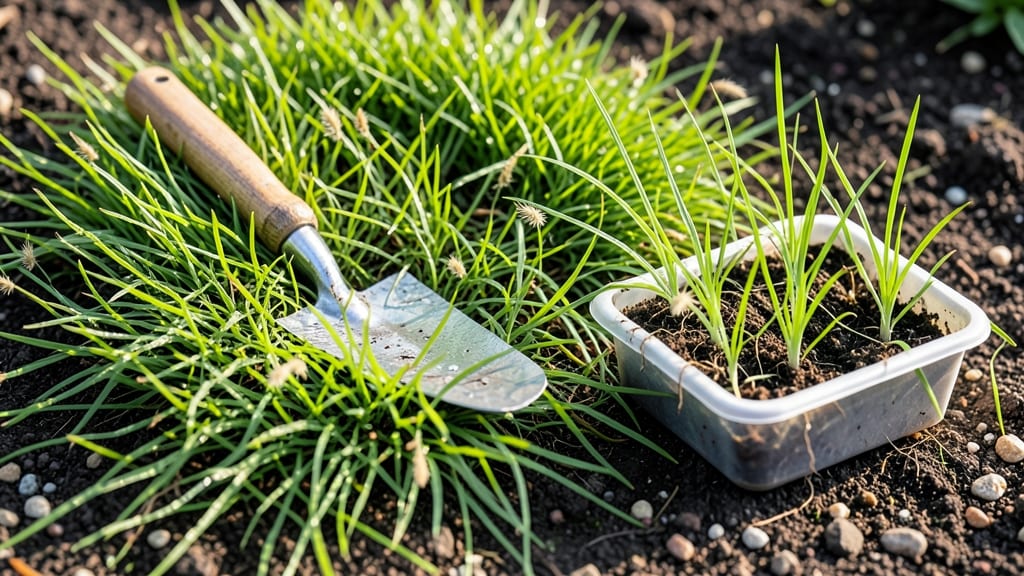
Planting Bermuda grass in Florida at the right time means the difference between a fast-growing, thick lawn and one that struggles for months to take hold.
Picture this: you’ve cleared the weeds, prepped the soil, and bought the seed—only to watch it sit there, wilting under the Florida sun because you planted too early or too late. That’s the risk when you don’t align your schedule with the microclimates of North, Central, or South Florida.
Here’s the key: Bermuda grass thrives when soil temperatures hit 65°F or warmer, which in Florida means March through May for spring planting and August to September for late-summer establishment. Miss that window, and you’re fighting heat stress or slow germination.
In this guide, I’ll break down the exact deadlines by region, how to prep your lawn for fast growth, and what to watch for if your timing is off. No more guesswork—just a lush, green lawn that stays ahead of Florida’s heat.
Florida’s Bermuda grass planting deadlines by microclimate zone
Bermuda grass thrives in Florida’s warm climate, but planting it at the wrong time can lead to slow establishment or even failure. Florida’s three distinct microclimates—North, Central, and South—each have unique soil temperature thresholds and weather patterns that dictate the perfect planting window.
Understanding these zones ensures your Bermuda grass gets off to a fast, healthy start with strong root growth.
In North Florida (USDA Zones 8a-8b), cooler winters and shorter growing seasons mean you’ll want to plant Bermuda grass as early as possible in late February to April.
This timing aligns with rising soil temperatures, typically reaching the 65°F threshold needed for germination. Waiting too long risks summer heat stress before roots establish.
Central Florida (USDA Zones 9a-9b) offers a longer window, with ideal planting from March through June. The region’s warmer soil temperatures (often hitting 70°F by March) allow for earlier planting, but avoid late summer if heavy rains or hurricanes are forecasted.
These conditions can delay germination or promote fungal growth.
South Florida (USDA Zones 10a-11) enjoys year-round warmth, but the best time to plant Bermuda grass is April to early June or August to September. The first window avoids summer’s peak heat, while the late-summer window capitalizes on consistent rainfall and cooler temperatures, reducing stress on new seedlings.
Timing your Bermuda grass planting isn’t just about the calendar—it’s about soil temperature. Use a soil thermometer to confirm your lawn’s temperature meets the 65°F minimum for North Florida or 70°F+ for Central and South Florida.
Cold soil delays germination, leaving your grass vulnerable to weed competition and disease pressure.
In North Florida, aim to plant 4-6 weeks before summer’s peak heat (typically by early May). This gives roots time to establish before temperatures exceed 90°F, which can stress young plants.
Central Florida’s longer window allows for more flexibility, but avoid planting after June 15 to prevent heat shock during establishment.
South Florida’s late-summer window (August-September) is ideal because it aligns with the region’s natural rainfall patterns. This reduces the need for supplemental irrigation while keeping humidity levels high enough to support germination. Just be mindful of hurricane season, which peaks in September—delay planting if storms are forecasted.
Regardless of your Florida zone, avoid planting Bermuda grass during summer’s peak (July-August). The intense heat and UV exposure can scorch new seedlings, while high humidity increases the risk of fungal diseases like brown patch.
Instead, prioritize early spring or late summer for the best balance of warmth, moisture, and reduced stress.
Pro tip: If you’re seeding Bermuda grass, choose a warm-season variety like Tifway 419 or Celebration, which are bred for Florida’s climate. These varieties germinate faster and establish more quickly than standard types, giving you a head start on a lush, green lawn.
🌱
How to prepare your Florida lawn for Bermuda grass planting success
Before you even think about planting Bermuda grass in Florida, proper lawn preparation is the secret weapon that separates a mediocre lawn from a showstopper. Bermuda grass thrives when given the right conditions, but Florida’s humid climate and sandy soils can quickly turn your dream lawn into a weed magnet if you skip these critical steps.
I’ve learned the hard way—skipping soil testing once led to a patchy, yellowing lawn that took months to recover.
Your first move should always be soil testing. Florida’s soils vary wildly from sandy coastal areas to clay-heavy inland regions, and Bermuda grass demands well-draining soil with a pH between 6.0 and 7.0.
Grab a soil test kit from your local extension office (they’re often free or low-cost) and send a sample. If your pH is off, don’t panic—lime raises pH, while sulfur lowers it, and both can be worked into your soil 4-6 weeks before planting.
Once you’ve got your soil in check, it’s time to tackle weed control. Bermuda grass spreads aggressively, but it can’t compete with established weeds like nutsedge or crabgrass. Use a pre-emergent herbicide like atrazine (follow label instructions carefully) about 2 weeks before planting.
For existing weeds, spot-treat with glyphosate, but avoid applying it too close to your planting date—you want Bermuda grass to have a clean slate, not a chemical battlefield.
Now for the fertilization prep. Bermuda grass is a heavy feeder, so you’ll want to give it a head start. Work a slow-release fertilizer like 16-4-8 (high nitrogen) into your soil 2-3 weeks before planting.
This jumpstarts root growth and gives your new grass the energy it needs to outcompete weeds. Pro tip: Use a drop spreader for even distribution—uneven application leads to patchy growth.
Your Bermuda Grass Prep Timeline
- 4-6 weeks before planting: Test soil pH and amend if needed. Apply lime/sulfur.
- 2 weeks before planting: Apply pre-emergent herbicide and till soil to 4-6 inches.
- 2-3 weeks before planting: Work in slow-release fertilizer (16-4-8).
- 1 week before planting: Mow existing lawn short (if overseeding) or till bare soil.
- Planting day: Spread Bermuda grass seed or sod, then water deeply.
Don’t overlook soil aeration if your lawn has compacted soil. Rent a core aerator to create small holes (about 3-4 inches deep) across your yard. This improves water and nutrient penetration, which is especially critical in Florida’s heavy rainfall periods.
Aerate 1-2 weeks before planting to let the soil settle and recover. If your lawn is new or you’re planting bare soil, skip this step and focus on tilling instead.
Finally, watering prep is often the most overlooked step. Bermuda grass needs consistent moisture to germinate, but overwatering can drown seeds. Set up a drip irrigation system or soaker hoses to deliver ¼ inch of water daily for the first 2 weeks after planting.
Keep the soil moist but not soggy—think of a damp sponge, not a swamp. Once your grass is established (after 4-6 weeks), you can reduce to 1 inch per week, but never let it dry out completely.
With these steps locked in, your Bermuda grass will have the perfect foundation to take over Florida’s tough conditions. The key is patience—don’t rush the prep work, and your lawn will reward you with thick, green coverage that outlasts weeds and heat.
Now grab your tools, and let’s get that lawn ready! 🌱