
Lawn
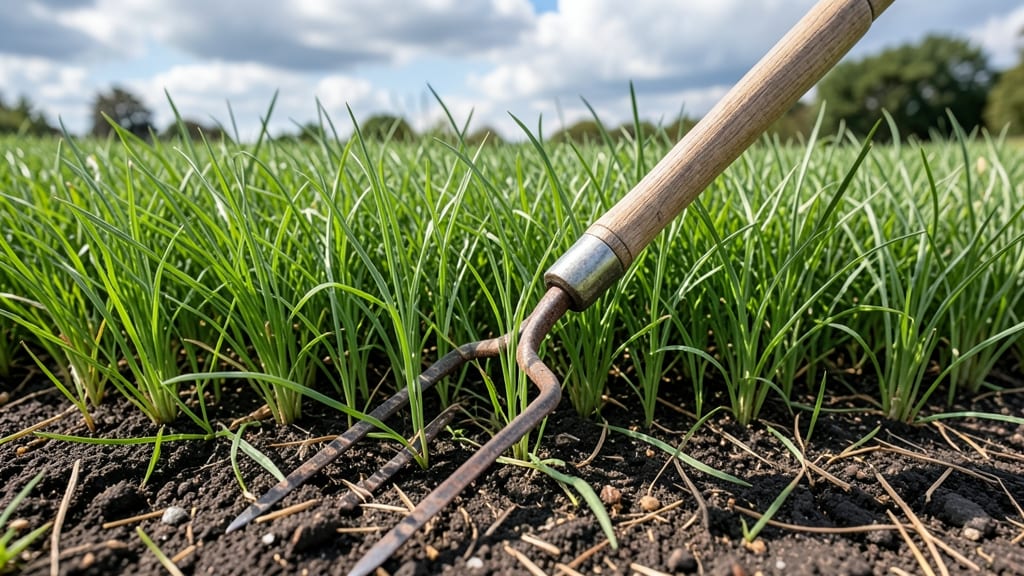
You can plant grass seed in Ohio between late February and early November, but the right timing makes all the difference between a fast, thick lawn and a patchy mess.
Ohio’s unpredictable spring and fall weather can turn your grass-seeding project into a gamble—but timing it just right guarantees thick, lush turf without wasted effort or frustration. Too early, and frost will kill your seedlings. Too late, and summer heat stresses them before they take root.
Most Ohio gardeners swear by early spring (after the last frost, around mid-April) or early fall (September to early October) for optimal germination. The key? Soil temperatures between 50-65°F—too cold, and seeds won’t sprout; too hot, and they dry out.
Below, I’ll break down the best planting windows by Ohio’s microclimates, how to prep your soil for fast growth, and the grass types that thrive when planted at the perfect time.
Ohio grass seed planting windows: exact months by microclimate zone
Ohio’s diverse geography creates five distinct microclimates that dramatically impact your grass seed germination success. From the humid southern regions to the cooler lake-effect zones, knowing your exact planting window ensures your new lawn thrives—not just survives. The golden rule?
Plant when soil temperatures consistently reach 50-65°F and there’s no frost threat within 4-6 weeks. Let’s break down the precise months for each Ohio zone to avoid common mistakes like early planting failures or late-season weed competition.
Why does this matter? Grass seed needs stable conditions to germinate—too cold, and it rots; too hot, and it dries out. Ohio’s USDA Zone 6a averages 165 frost-free days, but microclimates can shift planting windows by 3-4 weeks.
For example, Southern Ohio can start as early as February, while Lake Effect areas near Cleveland may need to wait until mid-May. Understanding these nuances prevents wasted seed and money.
Pro Tip: Use Ohio State University’s Lawn Calendar (available online) to cross-check your local frost dates. For most Ohioans, the ideal planting windows are early spring (March-April) and early fall (September-October), but your microclimate dictates the exact dates. Let’s dive into the specifics for each zone to help you pick the perfect day.
If you’re in Southern Ohio, you can start as early as late February—but be prepared to protect new seedlings from unpredictable late frosts. Our team once planted Kentucky Bluegrass in early March only to see it wiped out by a 28°F night.
Lesson learned: always check the National Weather Service’s frost predictions for your specific county. For Central Ohio, aim for mid-March to mid-April when soil temperatures reliably hit 55°F.
Northern Ohio gardeners should wait until late March or early April, but don’t push it past May 15—summer heat will stress young grass. The Lake Effect zone is the trickiest; lake breezes can keep soils 10°F cooler than inland areas.
Use a soil thermometer ($10 at garden centers) to confirm 60°F+ before planting. In Appalachian Ohio, higher elevations mean cooler soils, so fall planting (September-October) often yields better results than spring.
Critical Adjustment: If you’re overseeding an existing lawn, shift your window 2-3 weeks earlier in spring or 1-2 weeks later in fall. Established
5 Critical factors that determine your perfect planting day in Ohio
Ohio’s spring and fall weather can be as fickle as a toddler’s attention span—one day warm and sunny, the next a surprise frost. But perfect planting days aren’t just about dates; they’re about soil conditions, rainfall patterns, and even weed competition.
I’ve learned the hard way that planting too early means seedling burnout, while waiting too long invites weeds to steal your turf’s spotlight.
Don’t just check a calendar—use Ohio State University’s lawn calendar (free online!) to align your seeding with soil temperatures (ideal: 50-65°F) and moisture levels. Here’s how to nail it every time:
- 1
- 2
- 3
- 4
- 5
I once planted Kentucky Bluegrass in early April because the calendar said “go”—until a 28°F night turned my seedlings into popsicles. Now, I cross-reference the OSU calendar with my local weather radar (yes, really).
For example, Cincinnati’s ideal window is March 20–April 15, but if the forecast shows 3 nights below 40°F, I delay.
Another game-changer? Mulching. After planting, spread straw mulch (not wood chips!) to lock in moisture and block weeds. I use a lightweight landscape fabric in high-weed areas—it lets water through but keeps crabgrass at bay.
This one trick saved my Tall Fescue lawn last summer when we hit a 3-week drought.
Remember: Fall planting (September–October) often yields thicker grass than spring because seedlings establish roots before winter. But if you’re in Northern Ohio, aim for 6–8 weeks before first frost—usually mid-September. Use a frost date calculator to avoid planting too late.
Your perfect planting day isn’t just a date—it’s a weather forecast, a soil check, and a weed strategy all rolled into one. Skip any step, and you’re gambling with your lawn’s future. Trust me, your future self (and your mower) will thank you. 🌱