
Companion Plants
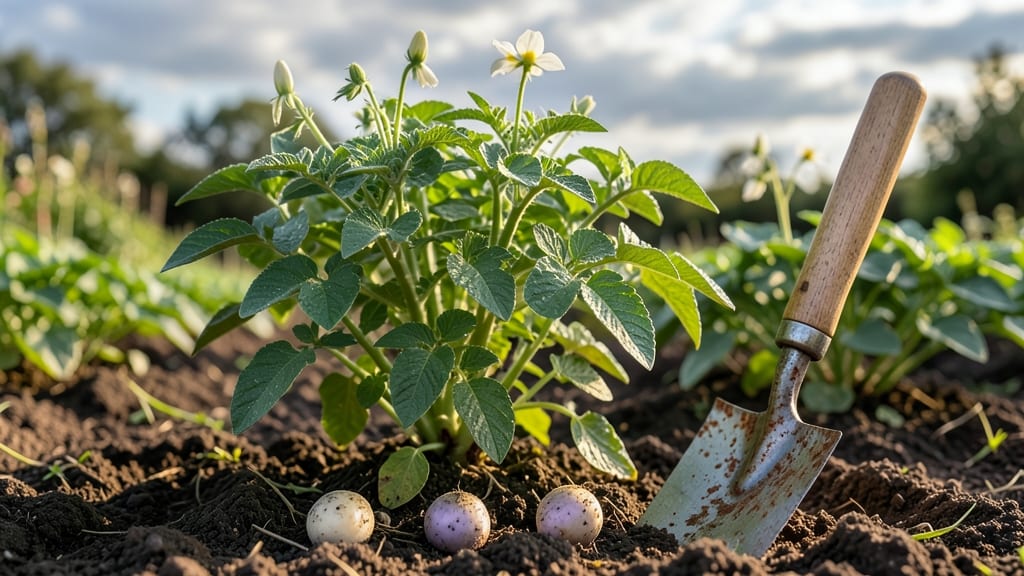
You can plant potatoes in Georgia as early as February for cold-hardy varieties, but timing depends on your zone and the type of spuds you’re growing 🥔 — get it wrong, and you risk blight or stunted tubers.
Georgia’s warm climate and unpredictable late frosts make this a tricky crop to nail. Plant too soon, and your seedlings may rot in soggy soil; wait too long, and the heat arrives before your potatoes set fruit. The key is matching your variety to the right window.
Early varieties like Yukon Gold thrive when planted in February or March, while late-season types need to hit the ground by April to avoid wilting before harvest. Below, I break down the exact frost-free timeline by zone and how to prep your soil for success.
You’ll also discover how to adjust for Georgia’s humidity, which varieties handle heat best, and the one soil trick that cuts down on rot by 50%. Let’s get those spuds in the ground the right way.
Georgia potato planting calendar: frost dates and ideal timing by variety
Georgia’s USDA Zones 7b-8a offer a long growing season, but potato planting timing varies dramatically between northern Piedmont (like Atlanta) and coastal regions (like Savannah).
The average last frost date ranges from mid-March in the mountains to late February near the coast, while soil temperatures must reach 45°F (7°C) for optimal sprouting.
To maximize yields, I recommend planting early varieties 4-6 weeks before your last frost date, mid-season varieties 2-3 weeks after, and late varieties in early April. This staggered approach ensures continuous harvests from May through August while avoiding late blight risks during Georgia’s humid summers.
Here’s my Georgia Potato Planting Calendar broken down by variety type and microclimate:
For northern Georgia (e.g., Atlanta, Dahlonega), aim to plant early varieties by February 15th to harvest before summer humidity peaks. In coastal areas (e.g., Savannah, Brunswick), you can start 2-3 weeks earlier thanks to milder winters and faster soil warming.
I always recommend cutting seed potatoes 2-3 weeks before planting to ensure sprouts are 1/2-inch long. This gives them a head start in Georgia’s variable spring temperatures. Use black plastic mulch to warm soil faster in cooler microclimates like the Blue Ridge Mountains.
Watch for late frosts in April—these can damage emerging sprouts. If frost is forecasted after planting, cover rows with frost blankets or straw mulch. Yukon Gold and Red LaSoda varieties handle Georgia’s heat better than Russet types, which often suffer from heat stress.
For container growing, plant in 5-gallon pots and set them outside 2 weeks after your last frost. Use lightweight potting mix with perlite to prevent waterlogging—a common issue in Georgia’s clay-heavy soils. Containers dry out faster, so check moisture daily during heatwaves.
Remember: Harvest timing depends on variety. Early potatoes (like Red Pontiac) are ready in 60-75 days, while storage types (like Kennebec) need 100+ days. Cure harvested potatoes in a cool, dark place for 1-2 weeks to develop skins before storing.
Pro tip: Mark your planting dates on a garden calendar and adjust based on local weather patterns. Georgia’s unpredictable spring rains can delay planting, so have a backup plan for row covers or greenhouse starts if needed.
How to adjust planting time for Georgia’s unpredictable weather patterns
Georgia’s unpredictable spring weather can turn a perfect potato planting plan into a gamble. One week of 50°F nights can kill tender sprouts, while sudden 80°F heat waves stress young plants.
The key is flexibility—adjusting your schedule based on soil temperature, frost forecasts, and early signs of disease like potato blight.
I’ve learned the hard way that sticking to a rigid calendar won’t work here. Instead, focus on soil warmth (aim for 45°F+) and microclimate differences. Coastal areas like Savannah warm faster than Atlanta’s Piedmont region, so timing varies by just a few weeks.
Use these strategies to stay ahead of Georgia’s whims.
Safe vs. Risky Planting Windows in Georgia
- When: After last frost (mid-March in north GA, late Feb in south)
- Soil Temp: 45°F+ (test with thermometer)
- Method: Use black plastic mulch or straw to warm soil
- Variety: Early maturing (e.g., 'Yukon Gold')
- Protect: Row covers for late frosts
- When: Before last frost (Feb in north GA)
- Soil Temp: Below 40°F (sprouts rot)
- Method: No soil warming (cold soil delays growth)
- Variety: Late maturing (e.g., 'Russet')
- Protect: None (vulnerable to frost)
⚠️ Note: Georgia’s humidity increases blight risk—plant early varieties first to harvest before summer heat peaks.
To warm cold soil quickly, I swear by black plastic mulch laid 2–3 weeks before planting. It raises soil temps by 10–15°F and suppresses weeds—perfect for Georgia’s slow soil warming.
For late frosts (common in April), use floating row covers or cloches until danger passes. Pro tip: Plant hill potatoes in raised beds for better drainage and faster warming.
Watch for potato blight (black spots on leaves) in humid summers. If you see it, harvest immediately—don’t wait for tubers to mature. I’ve lost entire crops by ignoring early signs. Resistant varieties like 'Red LaSoda' are worth the extra cost in Georgia’s disease-prone climate.
Also, rotate crops yearly to prevent soil-borne diseases.
For late-season planting, try container growing—fill pots with lightweight mix (50% peat, 50% perlite) and move them to shade during 90°F+ days. This buys you 2–3 extra weeks of growth before Georgia’s first frost. Just avoid planting after June 15—tubers won’t mature in time.
My fail-proof strategy: Plant two batches—one in early March (early varieties) and another in mid-April (late varieties). This spreads risk and ensures a continuous harvest. And always check the National Weather Service’s frost alerts—Georgia’s microclimates can surprise even experienced gardeners.