
Plants
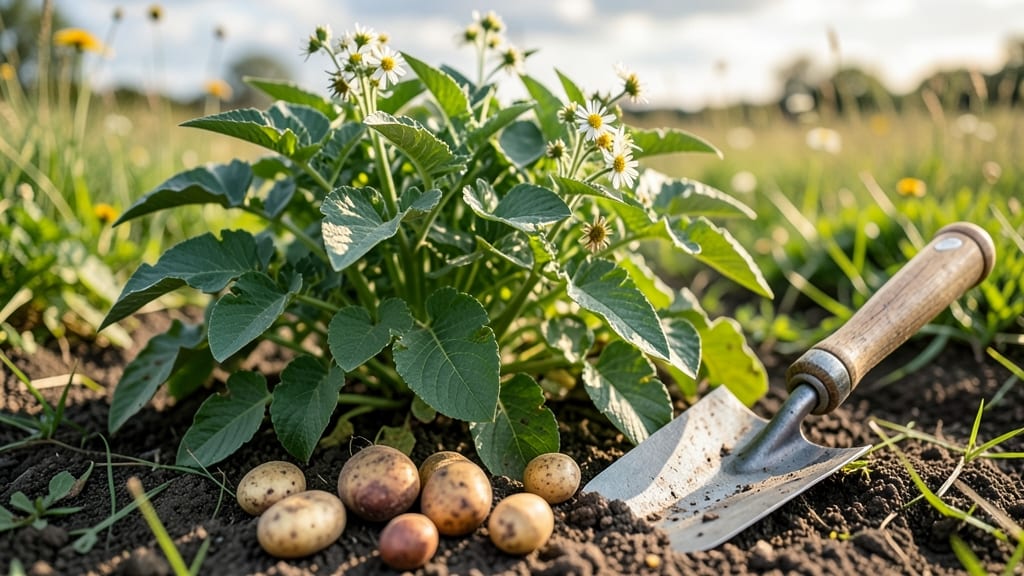
The best time to plant potatoes in North Carolina is 2-4 weeks before your last frost date — typically mid-February to early March for most of the state, when soil temperatures hit 45-55°F.
North Carolina gardeners know timing is everything—plant potatoes too early, and frost will ruin your crop; too late, and you’ll miss peak harvest season. But with the right frost-free window and soil temperatures, you can grow thriving 🥔 that outperform neighbors’ yields.
In zones 7a-8b, coastal areas like Wilmington can start as early as January, while the Piedmont and Mountains wait until late February or early March.
The key is soil temperature: potatoes won’t sprout until the ground warms to at least 45°F, and cooler soils lead to rot or stunted growth.
Below, I’ll break down the exact frost dates by region, how to adjust for early vs. late planting, and the one trick that lets you extend your growing season by 3-4 weeks—no matter where you live in NC.
Optimal planting windows in North Carolina: frost dates & soil temperature guidelines
North Carolina’s diverse climate means your last frost date can vary by 3-4 weeks depending on whether you’re in the Coastal Plains, Piedmont, or Mountains. For potatoes, this translates to planting windows that shift from January in Wilmington to late March in Asheville.
The key is aligning your planting with soil temperatures of 45-55°F, which triggers consistent sprouting and prevents rot.
Potatoes are cool-season crops that thrive when soil stays between 45°F and 75°F. If you plant too early, tubers may rot in cold, wet soil. Too late, and you’ll miss the 90-day harvest window before summer heat stresses plants.
My strategy? Use USDA zone maps and local frost data to pinpoint your exact planting window—down to the week.
Here’s the breakdown by region, including soil temperature thresholds and last frost averages to help you plan:
| Region | USDA Zone | Last Frost Date | Ideal Planting Window | Soil Temp Threshold | Harvest Window |
|---|---|---|---|---|---|
| Coastal Plains (e.g., Wilmington, Fayetteville) | 8a-8b | Mid-February | Late January - Early February | 45-55°F | May - June |
| Piedmont (e.g., Raleigh, Charlotte) | 7a-7b | Mid-March | Late February - Early March | 45-55°F | June - Early July |
| Mountains (e.g., Asheville, Boone) | 6a-7a | Late March - Early April | Late March - Early April | 45-55°F | July - August |
For Coastal NC, aim to plant seed potatoes in late January when soil temps hit 50°F. In the Piedmont, wait until late February to avoid late-winter frosts that can blacken tubers. Mountain gardeners should hold off until early April, as soil warms slower at higher elevations.
Pro tip: Use a soil thermometer to confirm temperatures. If your soil is below 45°F, wait—even if the air feels warm. Cold soil delays sprouting and invites disease. I’ve seen gardeners rush planting in March only to lose their crop to waterlogged soil or fungal rot.
North Carolina’s first frost typically arrives in mid-November, but potatoes can’t survive freezing. For a second crop, try planting heat-tolerant varieties like Yukon Gold in early June. These mature in 70-80 days, giving you tubers before winter sets in.
To extend your season, consider row covers or cold frames for early plantings. These can push your planting window back by 2-3 weeks in cooler zones. Just remove covers when plants flower to avoid overheating.
Remember: Soil temperature > air temperature for potatoes. Even if your thermometer reads 60°F in the air, the soil might still be 40°F—wait for consistency. My best yields come from planting when the soil stays 50°F or warmer for 5+ days.
For exact dates, check the NC State Extension’s frost maps or use the Almanac’s Planting Calendar. These tools account for microclimates and give you localized advice down to the county.
Now that you’ve got your planting window locked in, the next step is soil prep—loose, well-draining soil with compost added ensures tubers grow large and disease-free. Happy planting! 🌱
How to extend your potato growing season in NC: tips for early & late plantings
North Carolina’s variable climate can make potato growing a challenge, but with the right strategies, you can push your growing season limits and enjoy fresh spuds well beyond the typical spring harvest window.
The key lies in understanding your local frost dates and using protective methods to shield tender seedlings from late frosts or early chills.
For most of North Carolina (USDA zones 7a-8a), the last frost date typically falls between mid-March and early April, but coastal areas like Wilmington often see frost-free soil by February 15.
By planning for early and late plantings, you can stretch your harvest from May through July—or even longer with the right techniques.
🌱 Critical Timing & Techniques for NC Potato Growers
- 1. Early Planting (Jan-Feb): Use row covers or cold frames to protect seedlings from 32°F frosts. Plant short-season varieties like 'Yukon Gold' (60-70 days) or 'Red Norland' (80 days).
- 2. Frost-Free Window: Wait until soil reaches 45°F (use a soil thermometer). Coastal NC can plant 2-3 weeks earlier than Piedmont.
- 3. Late Planting (April-May): Choose heat-tolerant varieties like 'Sweet Potato' or 'Caribou' (100+ days). Use mulch to retain moisture and shade cloth to prevent bolting.
- 4. Raised Beds: Warm up 10-15°F faster than in-ground soil. Ideal for early starts in cooler zones like the Mountains (Zone 6b).
- 5. Successive Plantings: Space plantings 2-3 weeks apart for staggered harvests. Example: Plant first batch in February, second in March.
One of my favorite tricks for early plantings is using black plastic mulch to warm the soil faster. Simply lay down 1-2mm thick black plastic 2-3 weeks before planting—this can raise soil temps by 5-10°F, giving seedlings a head start.
Pair this with a floating row cover for extra frost protection during those unpredictable March nights.
For late-season extensions, focus on shade and moisture retention. Plant in partial shade (30-50% sunlight) and cover with straw mulch to keep tubers from baking in NC’s summer heat. Varieties like 'Kennebec' or 'Russet Burbank' handle heat better than delicate types like 'Adirondack Blue'.
Don’t forget to check your local weather data—tools like the NC State Climate Office provide historical frost dates by county. For example, Asheville’s last frost is often April 15, while Raleigh averages March 20. Adjust your planting schedule accordingly to maximize your harvest window.
With these strategies, you can enjoy fresh potatoes for months instead of just a few weeks. Start experimenting with early starts this winter—your taste buds (and dinner table) will thank you! 🥔