
Plants
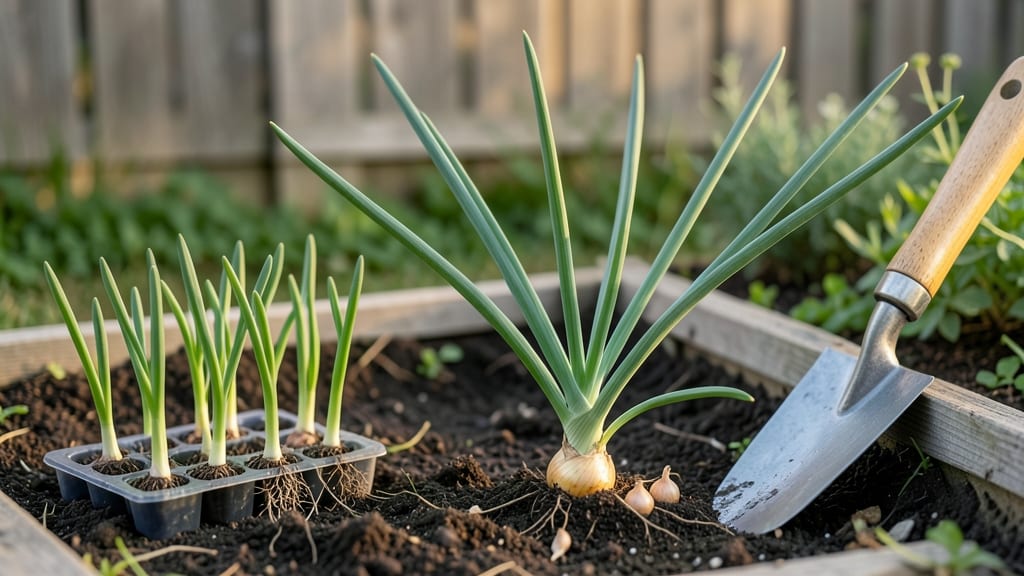
You can plant onions in Ohio between March and April for spring or August and September for fall, timing that turns small sets into plump bulbs.
Ohio gardeners know timing is everything—especially when planting onions. Get it wrong, and you’ll end up with small bulbs or wasted effort. But plant them at the perfect moment, and you’ll harvest plump, flavorful onions all season long.
Spring-planted onions need to be in the ground 4-6 weeks before Ohio’s last frost (around mid-April), while fall onions should go in 8-10 weeks before the first frost (mid-October). The difference in timing ensures strong roots and bigger harvests.
Below, I’ll break down the best methods for Ohio—whether to use sets, transplants, or seeds—and how to prep your soil for maximum success. Let’s get those 🧅 onions growing!
Ohio onion planting timeline: best months for spring vs. fall success
Ohio’s USDA Zone 6a climate gives us two prime windows for planting onions: early spring and late summer/fall. Each season offers unique advantages, but timing is critical to avoid small bulbs or frost damage.
I’ve planted onions in Ohio for years, and I’ve learned the hard way that rushing or waiting too long can ruin your harvest.
For spring planting, aim for March to early April—about 4-6 weeks before your last frost date (typically mid-April).
This gives onions enough time to mature before summer heat sets in. Fall planting, on the other hand, should happen 8-10 weeks before the first frost (usually late August to early September), allowing bulbs to develop before winter dormancy.
Here’s the key: Soil temperatures matter just as much as air temperatures. Onions thrive when soil is at least 40°F. In Ohio, this usually aligns with late March for spring and early September for fall.
If you plant too early, cold soil can stunt growth, while planting too late risks bolting (premature flowering) or weak bulbs.
| Planting Window | Ideal Months | Soil Temp Requirement | Key Considerations |
|---|---|---|---|
| Spring Planting | March–Early April | ≥40°F (after last frost) | Harvest by July; avoid summer heat stress |
| Fall Planting | Late August–Early September | ≥40°F (8-10 weeks before frost) | Harvest before winter; ideal for storage onions |
| Early Spring (Risky) | February (southern Ohio) | ≥35°F (cold-sensitive) | Only for hardy varieties; mulch heavily |
| Late Fall (Risky) | October (northern Ohio) | ≥45°F (minimal frost exposure) | Use row covers; bulbs may not mature fully |
If you’re in southern Ohio (e.g., Cincinnati or Columbus), you can push spring planting to late February for early varieties, but northern Ohio gardeners (like those in Cleveland or Toledo) should wait until mid-April to avoid frost.
For fall, southern Ohioers have until early October, while northern growers should finish by late September.
Pro tip: Use onion sets (small bulbs) for spring planting—they’re faster and more reliable than seeds. For fall, transplants give you a head start on bulb development before winter. I’ve had the best success with ‘Sweet Sandwich’ and ‘Yellow Granex’ varieties in Ohio’s climate.
Adjust your timeline if Ohio’s weather throws curveballs. Check the National Weather Service for frost predictions and soil thermometers for real-time readings. A sudden cold snap in April can delay planting, while an early heatwave might push you to start sooner. Flexibility is key!
For spring-planted onions, expect harvests in June or July. Fall-planted onions mature by October or November, making them perfect for storage. The secret to larger bulbs? Consistent moisture and well-draining soil. I’ve seen onions double in size when given these two things right.
Don’t forget to rotate crops—onions are heavy feeders and deplete soil nutrients. If you planted them last year in the same spot, add compost or aged manure before replanting. This simple step can boost yields by up to 30% in Ohio’s clay-heavy soils.
Timing isn’t just about months—it’s about weather patterns. If you’re unsure, start with sets in early April and transplants in late August. These methods give you a safety net if the season doesn’t cooperate. Happy planting—your future meals will thank you! 🧅
How to choose between sets, transplants, and seeds for Ohio gardens
Ohio’s climate gives you two great chances to grow onions—spring and fall—but the method you choose makes all the difference. Whether you’re a budget-conscious beginner or a yield-focused veteran, each option has unique advantages.
Let’s break down the best choices for your Ohio garden to maximize bulb size and harvest success.
For quickest results, onion sets (small bulbs) are my top recommendation. They’re pre-started, hardy, and ready to plant as soon as the soil warms to 40°F—perfect for Ohio’s March-April window. But if you want larger bulbs and more variety, transplants or seeds might be worth the extra effort.
Onion Planting Method Comparison
Onion Sets
- ✅ Fastest harvest (90-100 days)
- ✅ Hardy to Ohio’s cool springs
- ✅ Budget-friendly ($0.50-$1 per bulb)
- ❌ Limited variety selection
Transplants
- ✅ Larger bulbs (1.5"-2" diameter)
- ✅ More varieties available
- ✅ Easier than starting from seed
- ❌ Costlier ($1-$3 per plant)
- ❌ Sensitive to transplant shock
Seeds
- ✅ Most varieties (100+ options)
- ✅ Cheapest ($1-$2 per packet)
- ✅ Best for long-season storage onions
- ❌ Slowest (120-150 days to harvest)
- ❌ Requires indoor start (6-8 weeks early)
If you’re growing for storage onions, seeds win—just start them indoors in February for a fall harvest. But for quick green onions or fresh eating, sets are my go-to.
I’ve found that Yellow Sweet Spanish sets thrive in Ohio’s heat, while Red Baron transplants produce the largest storage bulbs.
Cost matters too: Sets are the most economical for beginners, while transplants offer a middle-ground between convenience and yield. Seeds require the most upfront work but pay off with long-term variety.
For example, a packet of 100 onion seeds costs about $2 but yields more plants than buying individual sets.
Ohio’s humid summers can stress seedlings, so I recommend transplants if you’re planting in June for a fall harvest. They’ve already developed roots and handle our sudden rain showers better. But if you’re planting in March, sets are foolproof—just pop them in the ground and watch them grow!
Pro tip: Mix methods! Use sets for early spring and transplants for late summer to stretch your harvest season. And always choose disease-resistant varieties like Candy or Texas Early White to beat Ohio’s downy mildew risks.
Ready to plant? Grab your garden gloves—whether you’re choosing sets, transplants, or seeds, Ohio’s soil is waiting for your onions! 🧅