
Plants
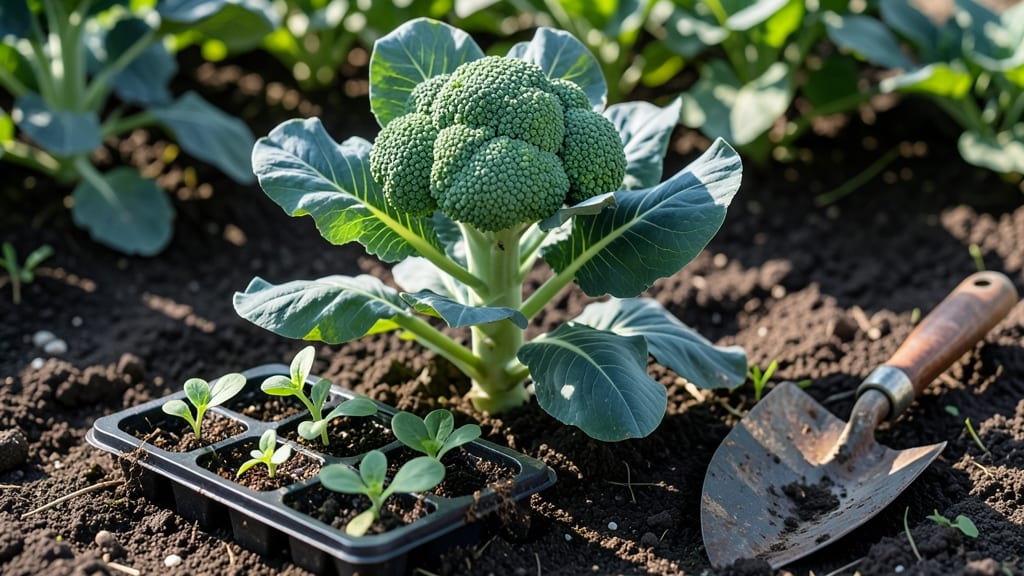
Planting broccoli in Texas requires timing it just right to avoid the brutal summer heat, which can send your plants bolting before they even form heads.
Texas gardeners know that broccoli can be a finicky crop—too much heat, and your plants bolt before you get a single harvest. But with the right timing and heat-tolerant varieties, you can enjoy fresh broccoli year-round in the Lone Star State.
In most of Texas, the ideal window for planting 🥦 broccoli is between September and early November for a fall harvest, or late winter (February to early March) for a spring crop. These cooler months give your plants the best chance to mature before the heat sets in.
Below, I’ll break down the exact months by region, the best heat-tolerant varieties for Texas, and how to extend your harvest with simple tricks like shade cloth and mulching.
Best planting months for broccoli in Texas by region (north vs. south)
Texas' diverse climate means broccoli planting times vary dramatically from the High Plains to the Gulf Coast. In northern regions, cool fall and winter months create ideal conditions, while southern areas can stretch planting into late winter thanks to milder winters.
The key is timing your plantings to avoid heat stress (above 85°F) and frost damage (below 40°F).
For successful broccoli growth, focus on planting when daytime highs stay between 60°F-75°F. This temperature range prevents premature bolting (flowering) while allowing steady leaf and head development.
In Texas, this typically means two main planting windows: late summer for fall harvests and winter for spring harvests, with regional adjustments needed.
Here's how to adapt your planting schedule based on where you live in Texas:
| Region | First Planting Window | Second Planting Window | Frost-Free Days | Heat Stress Risk |
|---|---|---|---|---|
| High Plains (Lubbock, Amarillo) | Late August - Early September | Mid-February - Early March | 150-180 days | High (summer temps often exceed 95°F) |
| Hill Country (Austin, San Antonio) | Mid-September - October | Late January - February | 200-220 days | Moderate (summer heat but slightly cooler than plains) |
| Central Texas (Dallas, Waco) | Early September - Mid-October | Late January - March | 190-210 days | Moderate to High (urban heat islands increase temps) |
| Gulf Coast (Houston, Beaumont) | Late September - October | February - Early March | 240-260 days | Low (humidity helps moderate temps) |
*Adjust planting dates 1-2 weeks earlier in mountainous areas (e.g., Davis Mountains) due to cooler microclimates.
In the High Plains, where winters are harshest, aim to plant your first fall crop by mid-August to ensure heads form before first frost (typically late November). For spring harvests, sow seeds in February to avoid the intense summer heat that follows.
The Hill Country offers a slightly longer window, with September-October plantings maturing before winter chills arrive.
Central Texas gardeners have more flexibility due to urban heat islands, but still need to time plantings carefully. September is ideal for fall broccoli, while January-February plantings will produce spring crops. Use shade cloth (30-50%) if planting in late spring to protect seedlings from intense afternoon sun.
The Gulf Coast enjoys the longest growing season, allowing February-March plantings to thrive through spring and into early summer.
For all regions, avoid summer planting unless you're using heat-tolerant varieties like 'Waltham 29' or 'De Cicco'. Even these varieties struggle when daytime highs exceed 85°F for more than 3 consecutive days.
Instead, focus on fall and winter plantings and use succession planting every 2-3 weeks to extend your harvest window.
Pro tip: Direct sow seeds rather than transplanting seedlings, as broccoli transplants often struggle with transplant shock in Texas' hot and dry conditions. If you must transplant, do so in the early evening to reduce stress on young plants. Always harden off seedlings for 5-7 days before moving them outdoors.
Monitor your local frost dates using the Texas A&M AgriLife Extension frost maps, as these can vary by 5-10 days even within the same region. For example, Amarillo might see frost by November 15, while Lubbock could hold off until December 1
Top 5 heat-tolerant broccoli varieties that thrive in Texas heat
Texas summers can push broccoli plants to bolt before they even form heads, but these heat-tolerant varieties are bred to handle our 90°F+ temperatures better than standard types. I’ve grown these in my Central Texas garden and seen them produce multiple harvests where other varieties fail.
When selecting broccoli for Texas, prioritize varieties with high heat tolerance ratings and shorter maturity times to avoid summer bolting. These five stand out for their ability to survive Texas heat while still delivering high-quality heads.
Waltham 29 is my top pick for Texas gardens—it handles 95°F+ temperatures better than most and matures in just 50-60 days. I’ve seen it produce secondary heads after the first harvest, giving you two crops per plant in ideal conditions.
For smaller gardens, De Cicco is a compact variety that thrives in partial shade during peak heat. Its 70-day maturity makes it perfect for fall planting when nights cool down but days stay warm. I’ve grown it successfully in East Texas with minimal bolting.
Belstar is a hybrid that excels in high humidity areas like the Gulf Coast. Its 65-day maturity and disease resistance make it a low-maintenance choice. I recommend mulching heavily to retain moisture during Texas summers.
If you’re looking for continuous harvests, Packman produces multiple side shoots after the main head. With a 75-day maturity, it’s best planted in early fall or late winter to avoid summer heat stress. I’ve used it in West Texas with drip irrigation for best results.
Finally, Green Magic is a broccoli-raab hybrid that tolerates light frost and heat spikes equally well. Its 45-day maturity makes it ideal for succession planting every 3 weeks in spring and fall. I’ve grown it in containers on my patio with great success.