
Plants
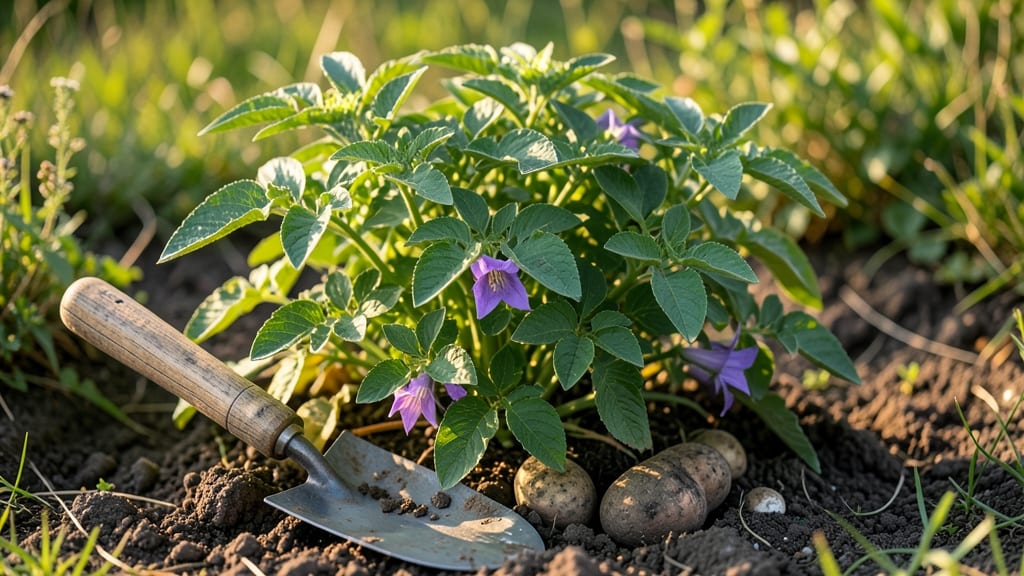
Plant potatoes in Colorado when soil temperatures hit 45°F and the last frost has passed — typically mid-April to early May for most regions, but timing shifts dramatically with elevation.
Colorado’s diverse microclimates—from high-altitude mountains to arid plains—can make potato planting timing tricky, but getting it right means the difference between a bountiful harvest and a wasted season.
Whether you’re in Denver’s urban gardens or the Western Slope’s dry valleys, the key is matching your variety to your local frost-free date and soil conditions. Early varieties like Yukon Gold thrive in shorter seasons, while Russets need more time.
Below, I break down the best planting windows by zone, soil prep tips for Colorado’s unique soils, and how to avoid common mistakes that cut yields—so you can grow more potatoes with less guesswork.
Colorado potato planting dates by microclimate zone (with soil temperature guidelines)
Colorado’s varied elevations and climates create four distinct potato-growing zones, each requiring different planting timing and soil conditions.
Whether you’re in the Front Range’s urban gardens, the Western Slope’s arid valleys, or the Eastern Plains’ wide-open fields, knowing your last frost date and soil temperature is key to success.
Potatoes thrive when soil reaches 45°F+, and planting too early can lead to rotten tubers from cold soil.
For accurate frost dates, check the Colorado State University Extension’s frost calculator—your elevation matters most. Denver gardeners typically plant 4-6 weeks before last frost (mid-April), while high-mountain areas (like Eagle County) may wait until late May.
Let’s break down the best planting windows for each zone, including soil prep tips to maximize your harvest.
If you’re planting in containers or raised beds, warm soil up faster by using black plastic mulch or straw—this can shave 2-3 weeks off your planting timeline. For example, Denver gardeners can start indoor sprouting in late March using grow lights, then transplant outdoors after last frost.
Always chit your seed potatoes (sprout them indoors) to jumpstart growth in Colorado’s cool springs.
For fall planting, aim for late August to early September—this gives potatoes time to mature before first frost. In the Front Range, this means harvesting by October 15th, while mountain regions should finish by September 15th.
Use early-maturing varieties like Red Norland for fall crops, as they complete their cycle faster.
One common mistake is planting too deep—stick to 4-6 inches deep for most varieties. High-altitude gardeners (above 7,000 feet) should choose shorter-day varieties like Early Rose, which mature in 60-70 days.
Always hill soil around stems as plants grow to prevent green potatoes (toxic solanine buildup from sunlight exposure).
To test soil temperature, use a soil thermometer—plant only when readings hit 45°F for 3+ days. In dry years, irrigate lightly to warm soil faster.
For organic gardeners, add compost or aged manure 2 weeks before planting to boost soil warmth naturally. Colorado’s unpredictable weather means flexibility is key—always have row covers ready for late frosts.
Pro tip: Plant a mix of early, mid, and late varieties to stagger harvests. For example, Yukon Gold (90 days) alongside Russet Burbank (120 days) ensures a
How to adjust planting time for early vs late varieties in Colorado’s climate
Colorado’s unpredictable springs and short growing seasons demand careful variety selection when planting potatoes. Early-maturing types like Yukon Gold (90 days) thrive in cooler conditions, while late-maturing Russet Burbank (120+ days) need longer heat exposure. The key is matching your microclimate to the right variety’s maturity timeline.
For high-altitude areas (6,000+ ft), prioritize early varieties like Red Pontiac (75 days) to avoid frost. In lower elevations (Denver metro), you can risk late varieties if planted by mid-May. Always check your last frost date—Colorado’s ranges from late April in southern regions to mid-June in mountain valleys.
- 🌱 Early Varieties (60-90 days): Plant 4-6 weeks before last frost (e.g., Yukon Gold, Kennebec). Ideal for short seasons or high elevations.
- 🌡️ Mid-Season Varieties (90-110 days): Plant 2-4 weeks before last frost (e.g., Red LaSoda, Chieftain). Balanced for moderate climates like Front Range.
- 🔥 Late Varieties (110-130+ days): Plant after last frost (e.g., Russet Burbank, Monalisa). Risky in northern Colorado—only attempt in low-elevation areas.
- ⏰ Heat-Tolerant Tip: For late varieties, use black plastic mulch to warm soil 5-10°F faster in cool springs.
- 🌿 Succession Planting: Stagger early and late varieties 2-3 weeks apart for continuous harvests.
Colorado’s spring temperature swings can confuse even experienced gardeners. If your soil temperature stays below 45°F for weeks, early varieties may rot in cold soil. Use a soil thermometer—plant only when temps consistently reach 50°F.
For late varieties, wait until after May 15 in most regions to avoid blossom-end rot from heat stress.
Don’t overlook fall planting for late varieties! In southern Colorado (e.g., Pueblo), you can plant Russet Burbank in late August for a fall harvest before first frost.
Use row covers to extend the season by 2-3 weeks. Just ensure tubers have 90+ days to mature before October’s first frost.
Pro tip: Chit your seed potatoes (sprout them indoors) 4-6 weeks before planting to jumpstart growth. This is especially critical for late varieties, which need every day of the season. Store them in a bright, cool (50-60°F) spot with indirect light until planting.
Remember, Colorado’s climate is unpredictable—always have a backup plan. If late spring brings unexpected frost, protect young plants with frost cloth. For early varieties, harvest before maturity if needed—they’ll still be edible!
Adjusting planting times based on variety maturity and local microclimates ensures your potato patch thrives, no matter what Mother Nature throws your way. 🥔