
Plants
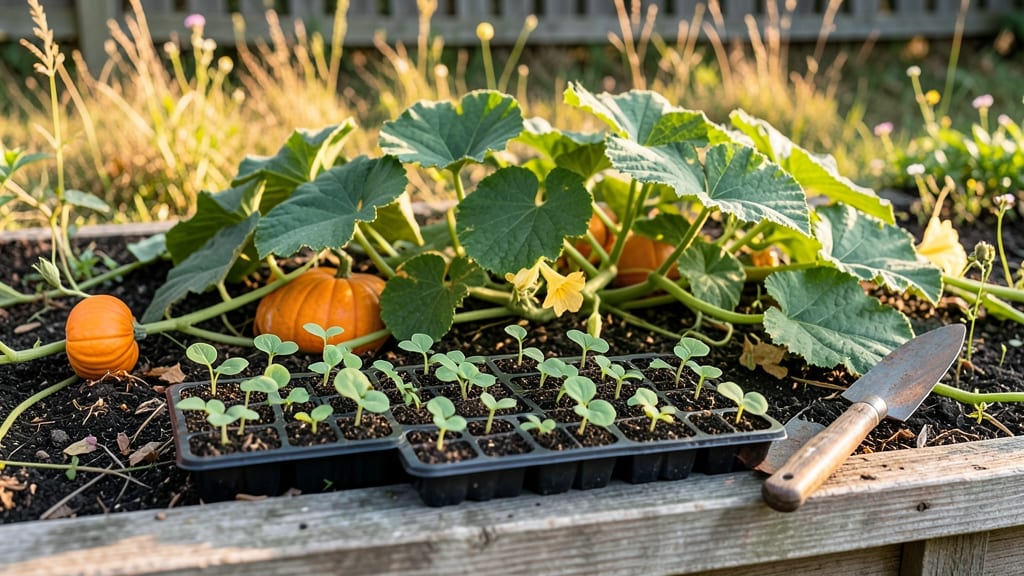
Planting pumpkins in Indiana after your last frost date — typically around April 15 — is the key to avoiding early-season setbacks and securing a harvest before the first frost in October.
Indiana’s unpredictable spring weather can turn a great planting day into a frost disaster overnight, which is why knowing your exact frost-free window matters more than just the calendar.
Most gardeners here opt for direct sowing outdoors once soil temperatures hit 60°F, but early starters may need row covers to protect seedlings from late frosts. The right variety also makes a difference — fast-maturing types like 'Jack Be Little' give you a better margin for error.
In this guide, I’ll break down Indiana-specific planting tips, including soil prep, variety choices, and how to extend your growing season so you end up with pumpkins 🎃 — not just vines.
Indiana’s ideal pumpkin planting window: frost dates & soil temperature guide
Indiana’s USDA Zones 5-6 create a unique challenge for pumpkin growers, with late spring frosts and early fall freezes threatening your harvest. The key to success lies in understanding your local frost-free window—typically April 15 to October 15—while ensuring soil temperatures reach the ideal 60-65°F for germination.
Most Indiana gardeners plant pumpkins between mid-April and early June, but this window shifts slightly depending on your exact location. Northern Indiana (Zone 5) has a shorter growing season, while southern Indiana (Zone 6) enjoys an extra 2-3 weeks of warmth.
Using historical frost data from the National Weather Service or local agricultural extensions helps refine your planting schedule.
Here’s the critical planting timeline for Indiana pumpkins, broken down by region and soil readiness:
| Region | Last Frost Date | Ideal Planting Window | Soil Temp Requirement | Days to Maturity |
|---|---|---|---|---|
| Northern Indiana (Zone 5) | April 20–May 5 | Late April–early May | 60–65°F | 85–100 days |
| Central Indiana (Zone 5b) | April 15–April 30 | Mid-April–late May | 60–65°F | 90–110 days |
| Southern Indiana (Zone 6) | April 1–April 15 | Early April–early June | 60–65°F | 75–120 days |
For direct sowing outdoors, wait until the soil reaches 60°F—use a soil thermometer to check. In colder springs, consider transplanting seedlings after May 1 to avoid late frost damage. My rule of thumb? Plant when dandelions bloom—a natural indicator that soil is warm enough.
Early planting (mid-April) gives you a longer harvest window but risks cold soil and slow germination. Late planting (June) avoids early frosts but may result in smaller pumpkins before the first frost.
Aim for a compromise: plant half your seeds in early May and the other half in late May to stagger your harvest.
Indiana’s unpredictable weather means you should also monitor 10-day forecasts before planting. If a hard freeze is predicted, use row covers or black plastic mulch to protect young plants. Pro tip: Plant near trees or fences to create a microclimate that warms up faster in spring.
Another critical factor is pollination. Pumpkins need warm, sunny days (75°F+) for bees to visit. If your planting window aligns with cool, rainy weather, hand-pollinate flowers with a paintbrush to ensure fruit set. This is especially important in northern Indiana, where summers can be cooler.
To calculate your personal frost-free window, add 120 days (maximum maturity for most pumpkins) to your average first frost date. For example, if your first frost is October 15, count backward to June 15 as your absolute deadline for planting.
This method ensures you’ll harvest before the first frost kills your vines.
Finally, don’t forget to choose fast-maturing varieties if you’re in Zone 5. Varieties like ‘Jack Be Little’ (75 days) or ‘Small Sugar’ (80 days) are perfect for shorter seasons, while ‘Howden’ (100 days) or ‘Cinderella’ (110 days) work better in Zone 6.
Always check the seed packet for days to maturity and adjust your planting date accordingly.
With the right timing and a little preparation, you’ll be carving (or baking!) pumpkins from your Indiana garden by October. Happy planting! 🎃
Best pumpkin varieties for Indiana gardens: fast-growing vs. cold-hardy options
Indiana’s short growing season demands smart pumpkin variety choices. Fast-growing types like 'Jack Be Little' mature in just 75 days, while cold-hardy varieties like 'Cinderella' thrive in cooler soils.
The right pick means the difference between a bountiful harvest and wasted effort. Let’s compare your best options for Indiana’s USDA Zone 5-6 climate.
Early-season varieties are my top recommendation for Indiana gardens. They beat the first frost (typically mid-October) and produce smaller, faster-maturing pumpkins. Varieties like 'Small Sugar' (80 days) and 'Autumn Gold' (85 days) are perfect for limited space or late starts.
Their compact vines also make them easier to manage in Indiana’s crowded gardens.
For those who prefer traditional pumpkins, standard varieties like 'Howden' (90 days) or 'Connecticut Field' (100 days) deliver bigger yields but need earlier planting. These work best in southern Indiana where summers are longer. However, their longer maturity leaves little room for error if early frosts strike.
🌱 Pro Tip: If you’re unsure about frost dates, opt for fast-growing varieties and plant them after May 15 to maximize your harvest window.
Fast-Growing Pumpkin Varieties
- 75-85 days to maturity
- Beat early frosts in Indiana
- Ideal for small gardens
- Easier to pollinate (smaller flowers)
- Smaller pumpkin size (1-5 lbs)
- Lower yield per plant
- Less storage life than larger varieties
Cold-Hardy/Standard Varieties
- Larger pumpkins (10-20 lbs)
- Better for long-term storage
- Higher yield per plant
- Classic jack-o'-lantern shapes
- Need earlier planting (April-May)
- Risk of frost damage if late
- Require more space (vines spread 5-10 ft)
If you’re growing pumpkins for carving, prioritize 'Howden' or 'Jack Be Little'. For pie pumpkins, 'Sugar Pie' (80 days) or 'Autumn Gold' are my favorites—they’re sweet, small, and mature quickly.
Always check seed packets for days to maturity and count backward from your average first frost date (October 15 in most of Indiana).
For northern Indiana (Zone 5), stick to fast-growing varieties or use row covers to extend the season. In southern Indiana (Zone 6), you have more flexibility to try standard varieties like 'Cinderella' (100 days), which produces 10-15 lb pumpkins perfect for carving.
Just be ready to harvest early if summer heat arrives late.
🎃 Final Tip: Plant a mix of fast and standard varieties to spread out your harvest and reduce risk from Indiana’s unpredictable weather.