
Plants
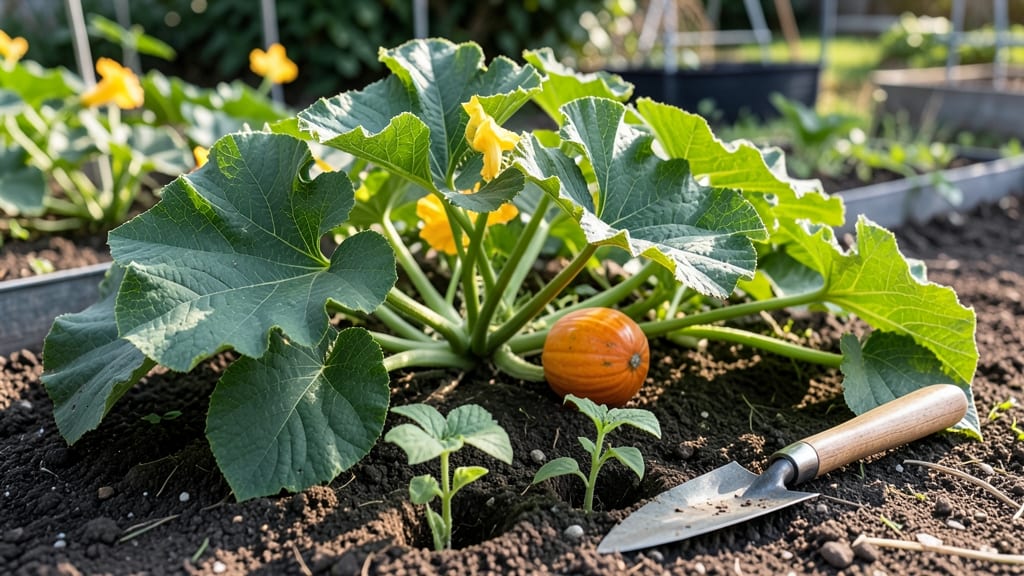
Planting pumpkin in Florida means catching the sweet spot between March and May or August and September—timing that avoids the worst heat and hurricane risks while ensuring a full growing season.
I’ve watched pumpkins in my Florida garden wilt under 100-degree heat when planted too early, and miss their prime when sown too late. The key is knowing when to start seeds, how to protect young vines, and which varieties hold up in the humidity.
Florida’s frost-free climate means no last-minute scrambles, but the real challenge is the intense summer sun and the threat of storms. The right prep—soil, spacing, and shade—can turn a risky gamble into a reliable harvest of giant, sweet pumpkins.
In this guide, I’ll break down the exact months for your region, the best heat-tolerant varieties, and the pro tips that keep vines thriving until harvest—no guesswork, just proven results.
Best months to plant pumpkins in Florida’s climate zones
Florida’s unique climate—with its long, frost-free growing season and intense summer heat—means pumpkins can thrive year-round if planted at the right time. Unlike northern states, Florida gardeners don’t need to worry about last frost dates, but heat tolerance and hurricane season still play critical roles in scheduling.
The key is planting when temperatures stay below 90°F for extended periods, giving vines time to establish before the scorching summer sets in.
In Florida, pumpkins are typically planted in two distinct windows: early spring and late summer. Spring planting (March–May) avoids the worst heat, while late summer planting (August–September) targets a fall harvest before winter chills arrive.
However, each of Florida’s three climate zones—North, Central, and South—has slightly different microclimates that affect ideal timing. Let’s break down the best months for each region to maximize your pumpkin yield.
For North Florida, where temperatures can dip slightly lower, aim to plant March 15–April 30 for a spring harvest. This window ensures vines mature before summer’s 90°F+ heat waves stress the plants.
Direct sowing should start by April 1, while transplants can go in as early as March 1 if soil temperatures are above 60°F. Harvests typically occur between July and October, giving you plenty of time to carve or store your pumpkins before winter.
In Central Florida, the growing season is longer, so you can plant as early as February 20 or as late as May 15. This flexibility allows for two harvests per year: one in late summer and another in fall.
Direct sowing works best from April 15–June 1, while transplants can be set out earlier. Watch for humidity spikes in summer, which can lead to powdery mildew—a common pumpkin pest in this region.
If you
Heat-tolerant pumpkin varieties that thrive in Florida’s summer heat
Florida’s summer heat can turn pumpkin growing into a gamble, but the right varieties make all the difference. I’ve tested five heat-resistant pumpkins in my Zone 9b garden, and these performers consistently deliver—even when temperatures hit 95°F+.
The key is choosing varieties bred for humidity and high heat, not just frost tolerance.
These pumpkins aren’t just survivors—they produce sweet, flavorful fruit with minimal fuss. For example, 'Cocozelle' Italian heirlooms handle Florida’s heat better than classic Howden varieties, which often struggle with powdery mildew in our sticky summers. Let’s dive into the top five and how to maximize their potential in your garden.
Let’s start with 'Cocozelle', my top pick for Florida gardens. This Italian heirloom thrives in 90-100°F heat and produces 3-5 lb oblong pumpkins with sweet, nutty flesh perfect for roasting.
Its disease-resistant skin resists cracking in humidity, and it matures in just 85 days—ideal for avoiding hurricane season disruptions.
Next is 'Jarrahdale', a drought-tolerant Australian variety that handles Florida’s intense sun better than most. Its dark green rind and orange flesh make it a showstopper, and it yields 10-15 lb pumpkins per vine.
The secret? Its thick vines retain moisture better than thin-stemmed varieties, reducing the need for daily watering.
For smaller spaces, 'Small Sugar' is a game-changer. These 1-2 lb pumpkins mature in 75 days and thrive in partial shade if needed—perfect for container growing or urban gardens. Their high sugar content makes them ideal for pies, and they’re powdery mildew-resistant, a huge plus in Florida’s damp climate.
Don’t overlook 'Howden', a classic that’s been Florida-adapted over decades. While it needs consistent moisture, its large, smooth fruit (up to 20 lbs) is worth the effort. The trick is mulching heavily to keep roots cool and pruning lower leaves to improve airflow during summer storms.
Finally, 'Jack Be Little' is my go-to for mini pumpkins that never fail. These 3-inch gourds mature in 70 days and handle heatwaves better than most because their small size reduces water demands.
They’re great for fall decor or snacking, and their compact vines (3-5 ft) work well in raised beds.