
Plants
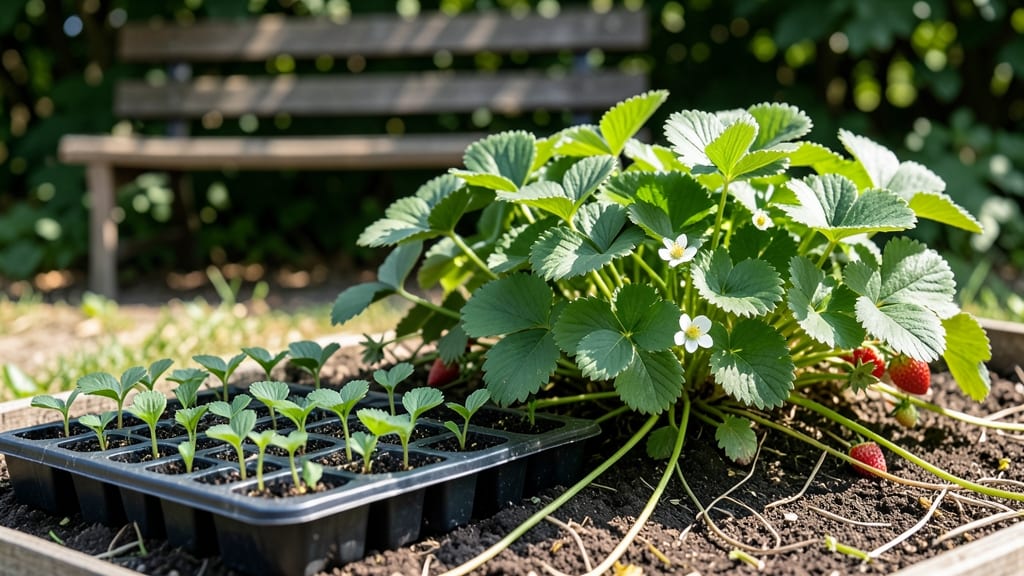
Plant strawberries in Ohio between early March and mid-April for spring harvests, or late August to early September for a fall-planted crop that yields in summer.
Ohio gardeners know timing is everything—plant too early, and frost will wipe them out; too late, and you’ll miss the sweet summer harvest. Mastering the perfect window in USDA Zones 5-6 ensures juicy, bountiful berries year after year.
Spring planting gives you a head start, but fall-planted varieties often produce earlier the next season. The key is soil temperature—wait until the ground warms to 45°F—and avoid planting when late frosts are still possible.
Below, I break down the exact dates for bare-root, potted, and seed-started strawberries, plus how to prep your soil and choose between everbearing and June-bearing varieties for Ohio’s climate.
Ohio strawberry planting calendar: exact dates by USDA Zone 5-6 for maximum yield
Ohio’s USDA Zones 5-6 offer two prime windows for planting strawberries: early spring and late summer/fall. Each timing strategy delivers a different harvest season, but both require precise planning to avoid frost damage or missed opportunities.
The key is aligning your planting with soil temperatures (ideal: 40-50°F) and last frost dates (typically April 15 in most of Ohio).
For June-bearing varieties (most common in Ohio), spring planting yields summer harvests, while fall planting sets up next year’s crop. Everbearing varieties, like 'Ozark Beauty,' produce two harvests—spring and fall—if planted correctly. Let’s break down the exact dates and steps for each method to maximize your yield.
🌱 Pro Tip: Always check your local microclimate—urban areas may warm faster than rural spots, shifting your planting window by 1-2 weeks. Use a soil thermometer to confirm readiness before planting.
| Planting Window | USDA Zone 5 | USDA Zone 6 | Soil Temp | Frost Risk | Best For |
|---|---|---|---|---|---|
| Spring (Bare-Root) | March 15–April 15 | March 20–April 10 | 40–50°F | Low (post-last frost) | June-bearing |
| Spring (Potted) | April 1–May 1 | April 10–April 30 | 50–60°F | None | Everbearing |
| Fall (Bare-Root) | August 15–September 15 | August 20–September 10 | 50–60°F | Moderate (pre-first frost) | June-bearing |
| Fall (Potted) | September 1–October 1 | September 10–September 30 | 55–65°F | Low (mature roots) | Everbearing |
Spring planting of bare-root strawberries kicks off in mid-March for Zone 5 and late March for Zone 6, but only if the ground isn’t frozen. Test soil moisture—it should be workable but not soggy.
For potted strawberries, wait until April 1 (Zone 5) or April 10 (Zone 6) to avoid frost damage to tender roots. These plants establish faster and produce fruit 2-3 weeks earlier than bare-root varieties.
If you prefer fall planting, aim for mid-August to mid-September in Zone 5 and late August to early October in Zone 6. This gives plants 6-8 weeks to develop roots before winter. Everbearing varieties thrive with fall planting—they’ll fruit lightly in late summer and heavily the following spring.
Always mulch heavily (4-6 inches) after planting to insulate roots.
Ohio’s unpredictable late frosts (even after April 15) demand extra caution. Use frost cloth or a mini greenhouse for early spring plantings, especially in Zone 5. For fall plantings, protect with straw mulch (8+ inches) to shield crowns from freeze-thaw cycles.
In Zone 6, you can push fall planting later, but avoid planting after October 1—roots won’t establish before winter dormancy.
🌡️ Soil Temperature Check: Use a soil thermometer to confirm 40°F+ for spring bare-root or 50°F+ for potted plantings. Cold soil delays germination and invites rot. If temps drop below 32°F at night, cover plants with row fabric or black plastic to trap heat.
For container gardening, adjust timelines by 1-2 weeks earlier—pots warm faster than soil. Place containers in south-facing spots and use black pots to absorb heat. In Zone 5, start potted strawberries indoors under grow lights by February 15 for a May harvest.
In Zone 6, direct-sow or transplant potted plants by March 15.
Ohio’s microclimates can shift planting dates by 10+ days. Low-lying areas (e.g., Toledo) may experience frost 2 weeks later than hillsides (e.g., Columbus). Check local Cooperative Extension reports or use a frost calendar app
How to extend Ohio’s strawberry season: spring vs. fall planting strategies for Zone 5-6
Ohio’s unpredictable frosts and short growing seasons make strawberry planting a strategic game. While most gardeners focus on spring planting, fall planting can give you an earlier harvest—and both methods work beautifully in USDA Zones 5-6.
The key difference? Timing, soil prep, and frost protection. Let’s break down which approach suits your Ohio garden best.
For spring planting, aim for late March to mid-April—about 4-6 weeks before your last frost date. This gives roots time to establish before summer heat arrives.
Meanwhile, fall planting in late August to early September lets plants grow slowly through fall, producing juicier berries the following spring. Both methods require different soil prep and mulching techniques to thrive.
Spring Planting vs. Fall Planting for Ohio Strawberries
- ✅ Pros: Longer harvest window
- ✅ Pros: Warmer soil speeds germination
- ✅ Pros: Easier to monitor for pests
- ⚠️ Cons: Risk of late frost damage
- ⚠️ Cons: Requires consistent watering
- ✅ Pros: Earlier spring harvest
- ✅ Pros: Less pest pressure
- ✅ Pros: Stronger root systems
- ⚠️ Cons: Needs winter protection
- ⚠️ Cons: Slower early growth
🌱 Key Tip: Both methods work—choose based on your harvest goals and microclimate!
Start by amending your soil with compost or aged manure to ensure a pH of 5.8-6.5. Strawberries thrive in well-draining, slightly acidic soil, so avoid heavy clay.
For spring plantings, add a 2-inch layer of mulch (straw or pine needles) to retain moisture and suppress weeds. Fall plantings need extra mulch (4-6 inches) to insulate roots during Ohio’s winter freezes.
Protecting your strawberries from Ohio’s late spring frosts (common until mid-May) is critical. Use frost cloths or row covers on chilly nights, especially for spring-planted varieties. For fall plantings, focus on deep mulching to prevent soil heaving.
Everbearing varieties like ‘Albion’ or ‘Honeoye’ are great for Ohio—they produce two harvests per year with proper care.
After planting, keep soil consistently moist (but not soggy) for the first 2-3 weeks. Water at the base of plants in the morning to prevent fungal diseases. Once established, strawberries are drought-tolerant, but Ohio’s summer heat can stress plants.
Drip irrigation works best to avoid wetting foliage. Fertilize lightly in early spring and again after harvest with a balanced 10-10-10 formula.
Extend your strawberry season by successive planting: Try a small fall batch in August for an early spring harvest, then add more in spring for summer berries. With these strategies, you’ll enjoy homegrown strawberries from June through September—no grocery store needed! 🍓