
Plants
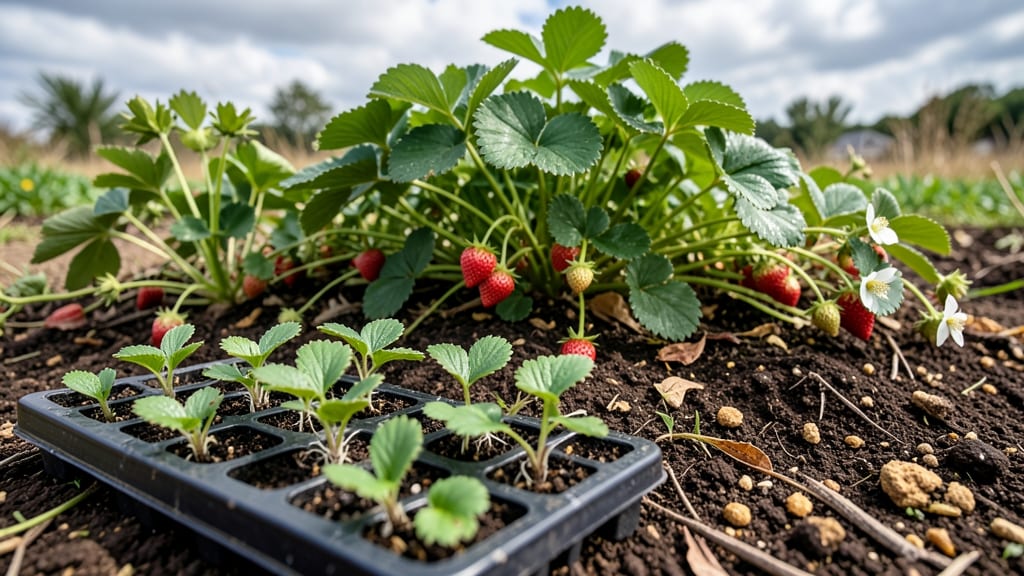
Planting strawberries in Pennsylvania at the right time means the difference between a bountiful harvest and a frost-wiped-out garden—so timing matters more than you might think.
Pennsylvania’s diverse microclimates—from the frosty Appalachians to the humid Poconos—mean strawberry planting deadlines can vary by hundreds of miles. Plant too early, and frost will wipe out your crop; too late, and summer heat will stunt growth.
Here’s how to pinpoint the exact window for your zone—and maximize your harvest.
For most of Pennsylvania’s USDA Zones 5b-7a, the best time to plant strawberries is either in early spring (March-April) or early fall (September-October), when soil temperatures hover around 40–50°F.
But whether you’re in Pittsburgh’s urban heat island or the cooler Laurel Highlands, local conditions can shift those deadlines by weeks.
In this guide, you’ll learn how to adjust for your specific microclimate, choose the right varieties for your region, and avoid the three biggest mistakes that ruin strawberry planting in PA—so you can enjoy fresh, homegrown 🍓 from June through September.
Pennsylvania strawberry planting deadlines by USDA Zone (with microclimate adjustments)
Pennsylvania spans USDA Zones 5b-7a, creating wildly different planting conditions. In the Allegheny Mountains (Zone 5b), frost lingers until May 15, while Philadelphia (Zone 7a) sees its last frost by April 15.
These variations mean your strawberry planting window could shift by 6 weeks depending on location. To succeed, focus on soil temperature (ideal: 40–50°F) and frost-free dates, not just calendar months.
Most Pennsylvania gardeners plant strawberries in either early spring (March–April) or early fall (September–October). Spring planting gives berries time to establish roots before summer heat, while fall planting lets them grow roots before winter dormancy.
However, high-altitude areas (like State College) often need 2–3 weeks later than lowland regions (like Lancaster). Urban heat islands (like Pittsburgh) may allow earlier spring planting by 10–14 days.
| USDA Zone | Spring Planting Window | Fall Planting Window | Soil Temp Threshold | Microclimate Adjustments |
|---|---|---|---|---|
| Zone 5b (e.g., Altoona, Scranton) | April 15–May 1 (after last frost) | September 15–October 1 | 45–50°F (wait for consistency) | Delay by 2–3 weeks in high-altitude areas |
| Zone 6a (e.g., Harrisburg, State College) | March 30–April 15 | September 1–September 15 | 40–45°F (use row covers if cold) | Urban areas (e.g., Pittsburgh) can plant 10–14 days earlier |
| Zone 7a (e.g., Philadelphia, Wilmington) | March 15–March 30 | August 20–September 1 | 40°F (soil warms faster in cities) | Extend fall window with cold frames |
| All Zones (Microclimate Tip) | Test soil with a thermometer | Plant 6–8 weeks before first frost | 40–50°F (critical for root growth) | Adjust for slopes, shade, or urban heat |
For bare-root strawberries, plant as soon as soil reaches 40°F and stays consistent. If you’re using potted plants, wait until soil is 45°F+—they’re more sensitive to cold.
In Zone 5b, I’ve seen gardeners use black plastic mulch to warm soil 2–3 weeks earlier than traditional methods. Just bury the edges to prevent weeds and improve drainage.
Fall planting is riskier in northern PA (Zones 5b–6a) because frosts can arrive by October 15. Aim to plant by September 15 to give roots time to establish before winter.
In southern PA (Zone 7a), you can push fall planting to October 1, but use straw mulch (4–6 inches) to insulate crowns. I’ve had success with everbearing varieties like ‘Albion’ in fall plantings—they produce two harvests: one in June and another in September.
Urban gardeners in Philadelphia or Pittsburgh often face heat islands that delay frost. Check local microclimate data (like Penn State Extension’s frost maps) to adjust your timeline. For example, Center City Philly can plant 2 weeks earlier than suburban areas due to retained heat.
If you’re unsure, plant test rows in late March and cover with frost blankets if temperatures dip below 28°F.
High-altitude areas (like the Poconos or Laurel Highlands) require extra caution. Soil stays cold longer, and late frosts are common. I recommend planting June-bearing varieties like ‘Jewel’ in early May and using row covers until May 15.
For day-neutral varieties (like ‘Seascape’), fall planting in late August works well—they’ll produce small berries in fall and larger ones next summer.
Pro tip: Use a soil thermometer to confirm readiness. Strawberry roots need consistent warmth to grow. If your soil is below 40°F, wait—cold soil slows root development and increases disease risk. In Zone 6a, I’ve planted as early as March 20
How to extend your strawberry season in Pennsylvania’s unpredictable climate
Pennsylvania’s unpredictable weather can turn a promising strawberry crop into a gamble. Late frosts in the Appalachian foothills or sudden heatwaves in the Poconos often catch gardeners off guard. The key to success? Strategic planning and season-extending techniques tailored to your microclimate.
With the right approach, you can enjoy strawberries from June through September—or even later—without relying on store-bought berries.
One of my favorite tricks is staggering plantings with a mix of June-bearing and everbearing varieties. June-bearing types (like Jewel) produce one massive harvest in early summer, while everbearing varieties (such as Seascape) deliver smaller yields throughout the season.
This dual-planting strategy ensures you’re always picking something fresh, even if Mother Nature throws a curveball.
Here’s how Lancaster County gardeners—known for their extended fall harvests—do it right:
- 🌱 Use row covers for late frosts (April–May). Lightweight fabric raises soil temps by 5–8°F, protecting tender new growth. Remove covers when flowers appear to allow bee pollination.
- 🌿 Mulch heavily with straw or wood chips (3–4 inches) to insulate roots. This keeps soil 5–10°F warmer in spring and cooler in summer, preventing heat stress.
- ☀️ Plant day-neutral varieties (e.g., Albion) for fall harvests. These thrive in cooler temps and produce berries until first frost.
- 💧 Drip irrigation with timers ensures consistent moisture. Strawberries hate wet feet but need steady water during fruit set.
- ✂️ Remove runners in early summer to redirect energy to fruit production instead of spreading. Save runners for fall propagation if you want to expand your patch.
Another game-changer is fall planting for a spring harvest. In USDA Zone 6b (central PA), I plant bare-root strawberries in late September—after soil temps drop below 70°F.
The plants establish roots before winter, then burst into growth in April, giving you a head start on the season. Just protect them with mulch and a light frost blanket if winter temps dip below 10°F.
For urban gardeners in Philadelphia, heat islands can be a challenge. To combat this, I recommend shade cloth (30–50%) during peak summer afternoons. This prevents berry sunscald (white patches on fruit) and keeps plants productive longer.
Pair this with drip irrigation timed for early morning, and you’ll avoid fungal issues like gray mold.
Don’t overlook soil temperature—it’s just as critical as air temperature. Use a soil thermometer to confirm temps are 40–50°F before planting in spring or 50–60°F in fall. Cold soil slows root growth, making plants vulnerable to disease and pests.
If your soil runs cool (common in northern PA), amend it with compost or aged manure to improve warmth retention.
With these strategies, you can turn Pennsylvania’s unpredictable climate into an advantage. My Lancaster County neighbors regularly harvest strawberries until mid-October—proof that with the right techniques, you can outsmart the weather and enjoy homegrown berries for months.
Start small, experiment with varieties, and soon you’ll be the one sharing tips with fellow gardeners! 🍓