
Plants
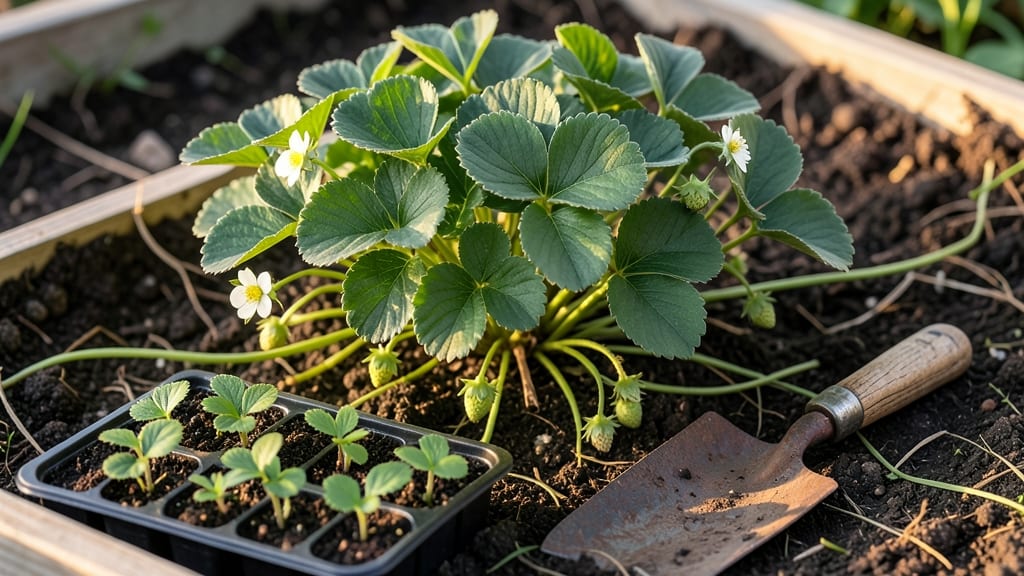
Planting strawberries in North Carolina at the right time ensures a bountiful harvest of sweet, juicy 🍓 berries—whether you’re growing June-bearing or everbearing varieties.
But here’s the catch: miss the window, and you risk frost damage or stunted growth, especially in USDA Zones 7b-8a where microclimates can shift ideal timing by weeks.
In this guide, I’ll break down the best months for planting—late winter through early spring or early fall—plus how to adjust for Piedmont heat or coastal breezes.
You’ll learn how to prepare soil, choose the right variety, and avoid common mistakes that waste your effort (and your strawberry dreams).
Optimal strawberry planting timeline in NC (Zone 7b-8a)
North Carolina’s USDA Zones 7b-8a offer two prime windows for planting strawberries: early spring and late summer. Each variety—June-bearing, everbearing, or day-neutral—has unique timing needs to thrive in NC’s humid summers and mild winters.
Coastal areas like Wilmington may have earlier frost-free dates (as early as February 15), while Piedmont regions like Raleigh typically wait until March 1.
Soil temperature is critical: strawberries need 40°F+ soil to establish roots and 50°F+ air temperatures for active growth. In Zone 7b-8a, this usually aligns with late February to early March for spring planting and August to early September for fall.
Everbearing varieties, like Seascape, can stretch harvests across seasons, while June-bearing types (e.g., Chandler) demand precise timing for a single late-spring bounty.
For June-bearing varieties like Allstar or Jewel, aim for late February to early March planting. These types produce one massive harvest in late May to June, so timing is critical to avoid spring freezes that can damage blossoms.
Coastal NC gardeners can start 2 weeks earlier than Piedmont growers due to warmer microclimates near the coast.
Everbearing varieties, such as Ozark Beauty or Chandler, thrive with late summer planting (August). They produce two harvests: one in late summer and another in fall.
Day-neutral varieties like Seascape or Albion are the most flexible, offering continuous harvests when planted in late summer or early fall. These types can even produce fruit the year after planting.
Soil preparation is key: amend beds with 2-3 inches of compost and ensure well-draining soil (strawberries hate soggy roots). Test your soil’s pH (5.5–6.5)—NC’s clay-heavy soils often need lime or sulfur adjustments.
Plant bare-root crowns (where leaves meet roots) at soil level, spacing them 12–18 inches apart in rows 2–3 feet apart for airflow.
After planting, mulch with straw or pine needles to retain moisture and suppress weeds. In Zone 7b-8a, a 4-inch mulch layer helps regulate soil temperature and protects berries from rot.
Water deeply 1–2 times per week (more in summer heat) to encourage strong root growth. Avoid overhead watering to prevent fungal diseases like gray mold.
Frost is the biggest threat in NC’s transition seasons. Use row covers or cloches for late-summer plantings if temperatures dip below 32°F. In Zone 8a (e.g., Fayetteville), frost risk is lower, but Zone 7b (e.g., Asheville) may see late spring frosts.
Monitor local frost dates via the NC State Climate Office and adjust planting accordingly.
If you miss the ideal windows, don’t despair! Day-neutral varieties can be planted as late as mid-September in Zone 8a, though yields may be smaller.
For June-bearing types, consider container gardening—pots can be moved to protected areas during frost events. Just ensure containers have drainage holes and use
How North Carolina microclimates affect strawberry planting dates
North Carolina’s diverse geography creates unique microclimates that can shift strawberry planting windows by 2-4 weeks. Mountain regions like the Blue Ridge experience cooler temperatures, while coastal areas near Wilmington or Morehead City stay warmer longer.
These variations mean your neighbor’s perfect planting time might not work for your garden.
Elevation plays a major role—every 1,000 feet gained drops temperatures by about 3.5°F. In the Asheville area (Zone 7a), frost lingers longer, delaying spring plantings until mid-March. Meanwhile, coastal gardens in Zone 8a can start as early as late February without frost risk.
Proximity to water bodies also matters. Gardens near lakes or rivers (like the Neuse River basin) retain moisture longer, creating cooler microclimates that may extend the frost-free window. Urban heat islands in Raleigh or Charlotte can push planting dates 1-2 weeks earlier due to warmer soil temperatures.
Here’s how these factors compare across NC’s key regions:
For mountain gardens, focus on June-bearing varieties like Chandler, which tolerate cooler soils. In coastal areas, everbearing types such as Seascape thrive with extended growing seasons. Always check your local Cooperative Extension office for last frost data—they track microclimate shifts yearly.
If you’re unsure about your microclimate, try this trick: Plant a test row of strawberries in late February and cover with frost cloth if nights dip below 32°F. This lets you see how your garden performs before committing to a full planting.
Adjusting for microclimates isn’t just about dates—it’s about soil warmth too. Use a soil thermometer to confirm 50°F+ before planting; cold soil delays root establishment. With these adjustments, you’ll maximize your strawberry yield regardless of where you garden in NC. 🌱