
Planting
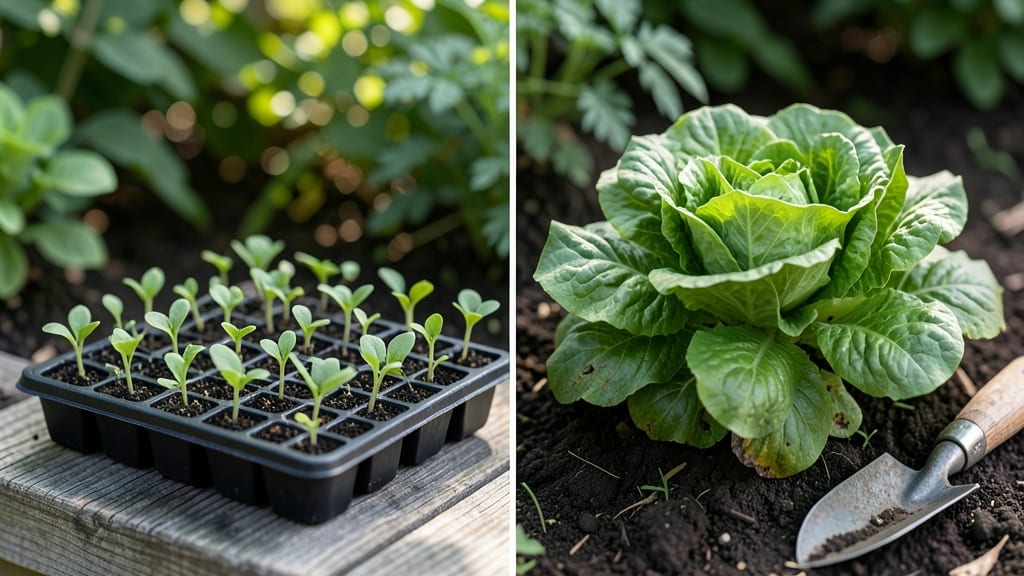
Planting a garden in NC at the right time means the difference between a bumper crop and wasted effort — and those windows are tighter than you think.
North Carolina’s climate shifts wildly from the coast to the mountains, so a one-size-fits-all planting date won’t cut it.
Whether you’re in the humid Piedmont or the cooler Appalachians, timing your 🌱 General Vegetable Garden just a few weeks off can mean stunted growth, pest problems, or even total crop failure.
Here’s the breakdown: cool-season crops like spinach and broccoli need to hit the soil 4-6 weeks before your last frost, while tomatoes and peppers demand 2-3 weeks after. But those dates aren’t set in stone — microclimates, elevation, and soil type can shift your timeline by weeks.
In this guide, I’ll walk you through exact planting deadlines for NC’s USDA zones, microclimate tweaks, and pro tips to stretch your growing season without risking frost damage. No more guesswork — just a garden that thrives.
NC planting deadlines by USDA Zone: exact dates for cool-season vs. warm-season crops
North Carolina spans USDA zones 5b through 8a, creating wildly different planting windows from the Coastal Plain to the Blue Ridge Mountains.
In Zone 5b (high elevations like Mount Mitchell), your last frost might hit April 15, while Zone 8a (Coastal Plain) could see January 1 as the last frost date. These differences mean your neighbor’s planting schedule might ruin your garden—so let’s break it down by zone and crop type.
Cool-season crops like kale, spinach, and broccoli thrive in 50–65°F soil and need to be planted 4–6 weeks before your last frost. Warm-season crops—think tomatoes, peppers, and sweet potatoes—require soil temps above 60°F and should wait 2–3 weeks after your last frost.
Below, I’ve mapped out exact deadlines for NC’s three main regions: Mountains, Piedmont, and Coastal Plain.
| USDA Zone | Region | Last Frost Date | First Frost Date | Cool-Season Planting Window | Warm-Season Planting Window |
|---|---|---|---|---|---|
| 5b | Mountains (e.g., Asheville) | April 15–May 1 | November 1–15 | March 1–April 15 | May 15–June 15 |
| 6a | Piedmont (e.g., Raleigh) | March 20–April 5 | October 31–November 10 | February 15–March 30 | April 15–May 10 |
| 7a | Piedmont (e.g., Charlotte) | March 1–March 15 | November 1–November 15 | January 15–February 28 | March 20–April 15 |
| 7b | Coastal Plain (e.g., Fayetteville) | February 15–March 1 | November 15–December 1 | December 15–January 31 | February 20–March 20 |
| 8a | Coastal Plain (e.g., Wilmington) | January 1–February 1 | December 1–December 15 | November 15–January 15 | January 20–February 15 |
🌱 Note: Mountain zones (5b–6a) have shorter growing seasons—prioritize fast-maturing varieties like bush beans or radishes.
For Zone 5b–6a (Mountains), your cool-season window closes by April 15, so plant peas and lettuce by March 15 to avoid frost damage. Warm-season crops like squash and cucumbers can wait until May 15, but hurry—summer heat arrives fast.
In Zone 7a–8a (Coastal Plain), you can stretch cool-season crops into February, but tomatoes and peppers should be in the ground by March 15 to beat the humidity.
Pro tip: Use soil thermometers to confirm readiness—60°F is the magic number for warm-season starters. In the Piedmont, where Zone 6a–7a overlap, aim for March 1 as your cutoff for cool-season crops.
If you’re in Zone 8a, you can even plant spinach in November for a winter harvest! Just watch for early December frosts near the coast.
Herbs like basil and cilantro are finicky—basil needs warm soil (plant after last frost) while cilantro bolts in heat (sow in fall). Flowers like marigolds and zinnia tolerate late starts, but snapdragons and pansies thrive when planted 6–8 weeks before first frost.
For Zone 5b, that means September 1; for Zone 8a, it’s October 15.
Don’t overlook succession planting—in Zone 7a–8a, you can squeeze in two rounds of lettuce (sow in February and Augustthree rounds of bush beans.
In Zone 5b–6a, stick to one early crop of radishes or turnips by April 1, then switch to warm-season crops after May 15. Timing is everything!
Remember: Microclimates matter. A south-facing slope in the Piedmont might warm up 2 weeks earlier
Microclimate adjustments: how elevation, soil, and humidity shift your planting timeline
Your neighbor’s tomato planting date might work perfectly for their Piedmont clay soil, but if you’re tucked into the Blue Ridge Mountains, those same seeds could face frost until May 15 instead of April 15.
Microclimates in North Carolina create planting windows that differ by 2–4 weeks—even just a few miles apart. Understanding these shifts means the difference between a bountiful harvest and struggling seedlings.
Elevation alone can delay last frost dates by 30 days when comparing the Outer Banks (Zone 8a) to Mount Mitchell (Zone 5b). Meanwhile, humidity levels in the Coastal Plain can make fungal diseases a constant threat, forcing earlier plantings to avoid soggy soil.
Don’t let generic charts fool you—your garden’s microclimate demands custom timing.
Soil drainage is another game-changer. The sandy soils of the Coastal Plain dry out quickly, so water-loving crops like cucumbers need earlier plantings to establish roots before summer heat. Meanwhile, clay soils in the Piedmont hold moisture too long, making late spring plantings risky for root crops like carrots.
Test your soil’s drainage by digging a hole—if water pools after 6 hours, amend with compost or sand.
Humidity plays a sneaky role too. In fog-prone valleys like the Blue Ridge foothills, powdery mildew thrives, so resistant varieties (like ‘Liberty’ zucchini) are a must. On dry ridges, succession planting every 10–14 days ensures a steady harvest when rains are scarce.
Even herbs like basil bolt faster in high humidity—plant it 2 weeks later in the Coastal Plain than in the Mountains.
Pro tip: Use local weather stations (like NC State’s AgClimate) to track 10-year averages for your exact location. If your yard sits in a sunken area, it may frost 5–7 days later than the surrounding land. For container gardens, add 1–2 weeks to standard timelines