
Plants
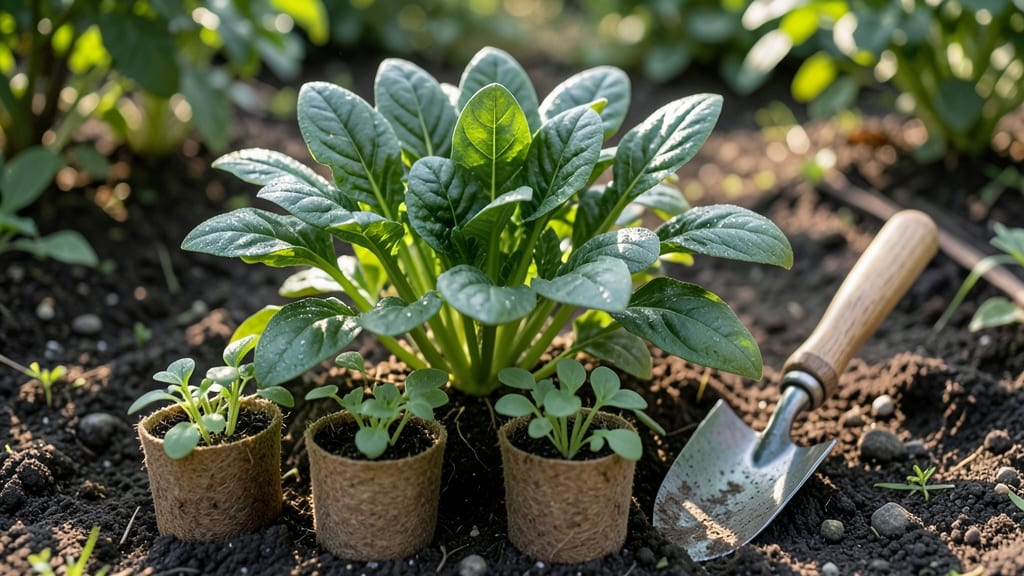
To plant spinach in the fall, aim for 8 to 10 weeks before your first frost—a window that balances cool weather and frost-free growth for tender, sweet leaves 🍃.
Fall spinach thrives in cool weather, but planting too early or late can leave you with bitter leaves or frost-killed plants. Timing is everything—here’s how to pinpoint the perfect 4-week window before your first frost for a sweet, abundant harvest.
In Zone 6a, like much of the Midwest, that means sowing seeds in early September for a harvest in October and November. But if you live in a warmer region, you might push it into late October—just don’t let the ground freeze before the leaves mature.
Below, I’ll break down how to adjust for your local frost dates, the best varieties for fall planting, and pro tips to extend your harvest even longer—so you can enjoy fresh spinach straight from your garden all season long.
How to calculate your fall spinach planting window based on frost dates
Getting your fall spinach timing right means the difference between a sweet, tender harvest and bitter, bolted disappointment. Spinach thrives in cool 60-70°F soil and can even handle light frosts—but push it too early, and you’ll trigger bolting (flowering) from summer heat.
Too late, and frost will kill your plants before they mature.
Your first frost date is the anchor for all calculations. For most U.S. regions (USDA Zones 4-8), this falls between mid-October and late November. Check your local USDA Plant Hardiness Zone and historical frost data—your extension office or Almanac’s Frost Calculator are great free tools.
Spinach needs 30-60 days to mature, depending on the variety. For a full harvest, aim to plant 4-6 weeks before your first frost. This gives your spinach enough time to grow but avoids the risk of overwintering (unless you’re using cold-hardy varieties).
For example, if your first frost is November 15, plant between September 20 and October 15. But here’s the catch: soil temperature matters more than air temperature. If your soil stays above 75°F in early fall, delay planting until nighttime temps drop below 80°F to prevent bolting.
Here’s where most gardeners go wrong: they focus only on frost dates and ignore harvest windows. Planting too early in warm soil can make your spinach bolt prematurely, while planting too late risks small, tough leaves before frost.
The 4-week rule (planting 4 weeks before your first frost) is a safe starting point, but adjust based on your local microclimate.
| Climate Zone | Avg. First Frost | Ideal Planting Window | Adjustments for Early/Late Frost |
|---|---|---|---|
| Zone 3-4 (Cold) | October 1-15 | August 15-September 15 | Use row covers to extend harvest; plant cold-hardy varieties like 'Winter Bloomsdale'. |
| Zone 5-6 (Temperate) | October 15-November 1 | September 1-October 15 | Avoid planting after October 1 unless using low-light tolerant varieties. |
| Zone 7-8 (Mild) | November 15-December 1 | September 15-October 30 | Can plant succession crops every 2 weeks for extended harvests. |
| Zone 9-10 (Warm) | December 15-January 1 | September 1-October 15 | Use shade cloth to prevent bolting; avoid planting after October 1. |
Once you’ve nailed down your planting window, test your soil temperature with a soil thermometer. Spinach roots struggle in soil above 80°F, so wait until temps drop below 75°F for best germination.
If your soil is still warm, opt for shade-tolerant varieties like 'Tyee' or 'Space' to buy time.
Pro tip: Succession planting every 2 weeks within your window ensures a continuous harvest. For example, in Zone 6, plant September 1, 15, and 30 for staggered maturity. This also reduces the risk of pest pressure (like aphids) overwhelming your entire crop at once.
Watch for late-season stress signs: yellowing leaves, stunted growth, or bitter taste. These often mean your spinach is pushing its limits. If frost is forecast within 2 weeks, harvest what you can and use row covers to protect remaining plants for another week or two.
Remember, spinach is a cool-season crop, not a winter survivor. Even cold-hardy varieties won’t tolerate hard freezes (below 20°F). Plan your last harvest before temperatures drop below 30°F to avoid damage. With the right timing, you’ll enjoy fresh spinach straight from your garden until winter sets in.
Best fall spinach varieties for different climates and their planting adjustments
Choosing the right spinach variety for your climate is half the battle when it comes to fall planting. Cold-hardy varieties like 'Winter Bloomsdale' and 'Tyee' can survive light frosts, while others bolt quickly in warm regions.
Your planting window depends on whether you're in USDA Zone 3 (northern climates) or Zone 8+ (southern regions), where frost dates shift dramatically.
In cooler northern zones, aim to plant 8-10 weeks before your first frost—typically late August to early September. Southern gardeners, however, can extend planting into October or even November if frost is delayed. The key is avoiding bolting (premature flowering) caused by heat stress, which ruins tender leaves.
| Variety | Cold Hardiness | Best Planting Window | Regional Adjustment |
|---|---|---|---|
| Winter Bloomsdale | Tolerates 20°F | Late Aug - Early Sept (Zones 3-6) | Plant 10-12 weeks before frost |
| Tyee | Tolerates 15°F | Late Sept - Early Oct (Zones 7-9) | Plant 6-8 weeks before frost |
| Space Hybrid | Tolerates 25°F | Early Sept - Mid-Oct (Zones 10+) | Plant 4-6 weeks before frost |
| Bloomsdale Long Standing | Tolerates 20°F | Mid-Aug - Late Sept (Zones 4-6) | Avoid late planting—heat stress risk |
For northern climates, 'Winter Bloomsdale' and 'Tyee' are my top picks—they handle early frosts like champs. I’ve seen them survive 20°F temps with just a little mulch protection. Plant these 10-12 weeks before your first frost, usually in late August for Zone 5 gardeners.
In Zone 3, push planting to early September to avoid summer heat.
Southern gardeners in Zones 7-9 can afford to wait until late September or early October for varieties like 'Tyee' or 'Space Hybrid'. These heat-tolerant types handle 80°F soils better than northern varieties, but they still need 6-8 weeks to mature before frost.
If you’re in Zone 10+, you might even squeeze in a November planting for a winter harvest!
Pro tip: Use row covers to extend your harvest window by 2-3 weeks in cooler regions. I’ve added lightweight fabric over my 'Winter Bloomsdale' beds in Zone 5, and it’s let me harvest well into December without bolting. Just remove covers during the day to prevent overheating.
No matter your zone, always test your soil’s pH (6.0-7.0 ideal) and amend with compost before planting. Spinach is a heavy feeder, so side-dress with nitrogen-rich fertilizer 3-4 weeks after germination for lush growth.
With the right variety and timing, you’ll enjoy sweet, tender spinach straight from your garden well into winter! 🌱