
Plants
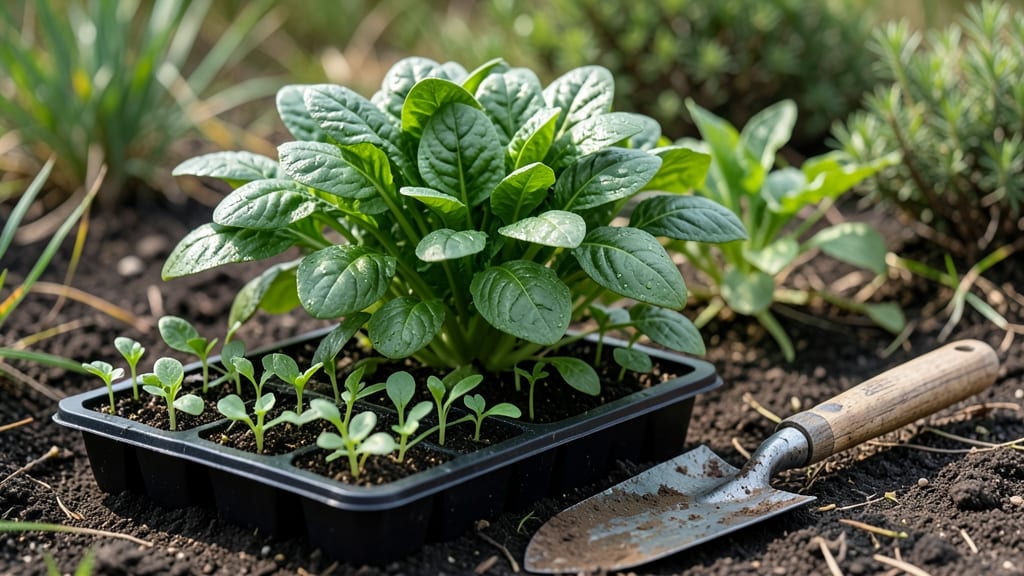
Planting spinach in Indiana at the right time means the difference between a crisp, homegrown harvest and a bolted disappointment — and the window is narrower than you’d think.
Indiana’s unpredictable spring weather can turn your spinach dreams into disappointment—but timing your planting just right ensures crisp, homegrown harvests even in the Hoosier State’s variable climate.
For Zone 6a, the ideal window opens in early March, when soil temperatures hit 40°F, and closes by mid-April before the last frost. Miss that mark, and you risk bolting or stunted growth.
Below, I’ll break down the exact dates for your region, how to stretch the season with row covers, and the one trick that keeps spinach thriving through Indiana’s late-summer heat.
Indiana spinach planting calendar: optimal dates by microclimate zone
Indiana’s diverse microclimates mean your spinach success depends on where you garden. From the frigid north to urban heat islands, each zone has unique frost-free windows.
I’ve broken down the best planting times based on soil temperature thresholds (40°F+) and historical frost dates to help you grow crisp, homegrown spinach year-round.
Spinach thrives in cool weather but wilts under summer heat. In Indiana, this means planting in early spring (March-April) or late summer/fall (August-September). The key is avoiding bolting (premature flowering) triggered by warm temperatures or long daylight hours. Let’s dive into your specific zone’s ideal schedule.
Here’s how Indiana’s 5 microclimates differ in planting windows, with frost-free averages and soil prep tips:
| Zone | Last Frost Date | First Frost Date | Spring Planting Window | Fall Planting Window | Soil Temp Threshold |
|---|---|---|---|---|---|
| Northern Indiana (Zone 5b) | May 5 | October 5 | March 15–April 15 | August 1–September 1 | 40°F+ |
| Central Indiana (Zone 6a) | April 15 | October 15 | March 1–April 1 | August 15–September 15 | 40°F+ |
| Southern Indiana (Zone 6b) | April 1 | October 25 | February 28–March 31 | August 20–October 1 | 42°F+ |
| Urban Heat Islands (e.g., Indy, Fort Wayne) | April 10 | October 10 | March 10–March 31 | August 5–September 30 | 45°F+ (warmer soil) |
| Lake Effect Zones (Michigan Basin) | May 1 | October 10 | April 1–April 15 | August 10–September 10 | 38°F+ (cooler lakeside) |
For Northern Indiana gardeners, start seeds indoors in late February and transplant after soil warms to 40°F. Use row covers to extend the season into late May. In Southern Indiana, you can even plant late-winter spinach (February) under protective covers for an early harvest.
Urban heat islands like Indianapolis require earlier fall plantings (August) to avoid bolting from residual summer heat. Test soil temps with a soil thermometer—spinach needs consistent 45°F+ to germinate. If your soil runs cooler, opt for cold-hardy varieties like 'Tyee' or 'Space Hybrid.'
Lake effect zones near Michigan Basin can plant 2 weeks later than inland areas due to cooler microclimates. Pair this with succession planting: sow seeds every 2 weeks in spring for a staggered harvest. This prevents overwhelming bolting when temperatures rise.
Fall plantings are critical for Indiana’s short growing season. Aim to sow seeds 6–8 weeks before your first frost date. In Central Indiana, that’s August 15–September 15. Use shade cloth in late summer to protect seedlings from int
Spinach varieties that thrive in Indiana’s short growing seasons
Indiana’s cool, short growing seasons demand spinach varieties that tolerate early spring frosts and late summer heat. The right choices mean the difference between bolting plants and crisp, homegrown harvests from spring to fall.
My top picks balance cold hardiness with heat resistance, ensuring success even when Indiana’s weather throws curveballs.
For early spring plantings (March-April), prioritize varieties like 'Bloomsdale Long Standing'—a classic slow-bolting type that thrives in 35°F–75°F ranges. This variety’s cold tolerance lets it handle Indiana’s late frosts, while its leafy growth habit maximizes harvests before summer heat sets in.
Pair it with 'Tyee', a hybrid bred for disease resistance and quick maturity (35–40 days).
| Variety | Cold Tolerance (°F) | Heat Resistance | Days to Harvest | Best For |
|---|---|---|---|---|
| Bloomsdale Long Standing | 28°F–75°F | Moderate (bolts at 78°F+) | 45–50 days | Spring harvests, succession planting |
| Tyee | 30°F–70°F | Good (tolerates 80°F) | 35–40 days | Late spring/early fall, urban gardens |
| Space Hybrid | 25°F–65°F | Low (bolts at 75°F+) | 40–45 days | Fall plantings, cold frames |
| Corvair | 32°F–72°F | High (tolerates 85°F) | 30–35 days | Late summer/fall, heat waves |
For late summer/fall plantings (August–September), switch to heat-tolerant varieties like 'Corvair' or 'Space Hybrid'. These semi-savoy types handle Indiana’s late-summer heat better than traditional flat-leaf varieties, delivering crisp harvests until first frost. Their compact growth also makes them ideal for container gardening in urban areas.
Extend your harvests with succession planting: Sow 'Tyee' every 2 weeks from March to May, then again in August for a fall crop. Use row covers to protect seedlings from late frosts (below 28°F) and shade cloth (30–50%) to shield plants from midday summer sun.
This strategy lets you enjoy fresh spinach for 6+ weeks per planting cycle.
Pro tip: Mulch with straw or shredded leaves to regulate soil temps—keeping roots cool in summer and insulated in winter. In Northern Indiana, overwinter 'Space Hybrid' under thick mulch for early spring harvests as soon as soil thaws.
With the right varieties and timing, Indiana’s short season becomes your spinach garden’s superpower.