
Plants
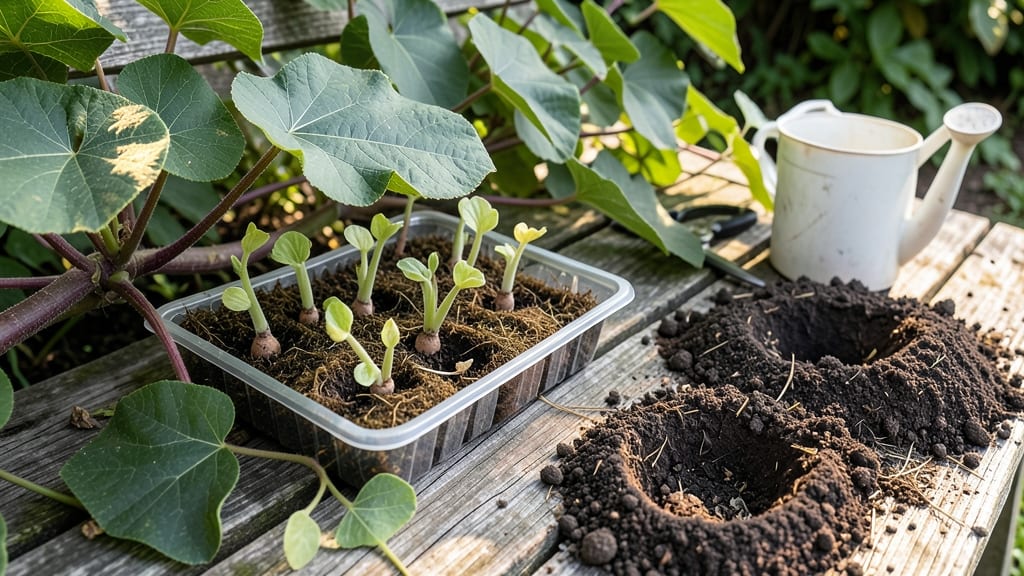
Plant sweet potatoes in Louisiana when the soil temperature hits 65°F—usually between mid-April and early June—because these heat-loving tubers 🍠 refuse to grow in cooler soil.
You might be tempted to jump on spring planting, but rushing it risks frost damage or stunted growth. Louisiana’s long, hot summers are perfect for sweet potatoes, but timing is the key to avoiding those bitter, underdeveloped tubers that leave you scratching your head.
Most gardeners in USDA Zones 8a-9b wait until after the last frost (around February 15) to plant slips, giving the soil time to warm up. Too early, and your crop struggles; too late, and you miss the ideal 90- to 120-day growing window before fall harvests.
In this guide, I’ll break down the exact planting schedule for your region, soil prep secrets, and how to adjust for Louisiana’s microclimates—so you can go from slips to harvest with confidence.
Louisiana sweet potato planting calendar: best months and temperature guidelines
Sweet potatoes (Ipomoea batatas) are a staple in Louisiana gardens, but their heat-loving nature means timing is critical. Unlike potatoes, they hate cold soil and need consistent warmth to thrive.
In Louisiana’s USDA Zones 8a-9b, the ideal planting window spans April through June, aligning with soil temperatures above 65°F (18°C). Planting too early risks frost damage, while late planting may shorten the growing season before first frost in December.
Louisiana’s long growing season—240 frost-free days—gives gardeners flexibility, but soil temperature is the real deciding factor. Sweet potatoes won’t germinate well in cool soil, so wait until the ground warms up.
Early April is safe in southern Louisiana, while northern areas should aim for mid-to-late April. For a second crop, July planting can work in warmer microclimates but may not mature fully before frost.
Key temperature thresholds for Louisiana sweet potatoes include:
- Minimum soil temp: 65°F (18°C) for germination
- Optimal growth temp: 75–95°F (24–35°C)
- Maximum heat tolerance: Up to 100°F (38°C) with adequate water
Planting in April offers the best balance—soil is warm enough to avoid rot, and the growing season is long enough for full maturation. Early April works in southern Louisiana (e.g., Lafayette, Baton Rouge), while northern areas (Shreveport, Monroe) should wait until mid-April to avoid late-spring frosts.
The trade-off? Earlier planting means more time for weeds to compete, so mulch heavily to suppress them.
For maximum yields, aim for May or June planting. This window ensures consistent warmth and minimal pest pressure from early-season insects. Sweet potatoes planted in June will produce larger tubers because they have 4–5 months of growth before frost.
However, they’ll need extra protection in late fall if temperatures drop unexpectedly.
Late planting in July is risky but possible in microclimates with extended heat (e.g., coastal areas or urban heat islands). These plants may not reach full size before frost, but they can still produce small, sweet tubers.
To improve success, choose fast-maturing varieties like 'Beauregard' or 'Georgia Jet', which mature in 90–100 days.
Always check local frost dates—Louisiana’s first frost typically arrives around December 1, but northern parishes can see frost as early as November. If you’re planting in July or August, use row covers or plant near heat-retaining structures (like black plastic mulch) to extend the season.
Sweet potatoes are sensitive to cold, so even a light frost can kill the vines and stunt tuber growth.
Before planting, test soil temperature at a depth of 3 inches—this is where roots will establish. If it’s below 65°F, wait another week. For container growing, use black pots to absorb heat and speed up warming.
In Louisiana’s humidity, well-draining soil is a must to prevent root rot, so amend clay soils with compost or sand.
Once planted, monitor soil moisture—sweet potatoes need 1–2 inches of water weekly, but overwatering causes scabby skin. Mulch with straw or leaves to retain moisture and keep soil temps stable.
With the right timing and care, your Louisiana sweet potatoes will reward you with sweet, abundant harvests from October through December.
How to adjust sweet potato planting for Louisiana’s microclimates
Louisiana’s diverse climate—from the humid heat of New Orleans to the cooler uplands of North Louisiana—means your sweet potato planting schedule should vary by region.
In North Louisiana (USDA zones 7b-8a), like Shreveport, cooler springs delay planting until mid-April to May, while South Louisiana (zones 8b-9a), such as Lafayette, can start as early as late March.
Coastal areas like Houma face salinity risks, requiring extra soil prep, while rural farms benefit from longer growing seasons.
Urban gardeners in Baton Rouge or New Orleans may need to extend the season with row covers or black plastic mulch to warm the soil faster. Meanwhile, rural areas with loamy soil can plant earlier and enjoy a longer harvest window.
Adjusting for these microclimates ensures your sweet potatoes thrive regardless of where you garden in the state.
Here’s how to tailor your planting schedule based on Louisiana’s key regions, soil types, and garden settings:
| Region | Best Planting Time | Key Adjustments | Soil Prep Tips |
|---|---|---|---|
| North Louisiana (Shreveport, Monroe) | Mid-April to May | Wait for soil temps ≥65°F; use black plastic mulch | Add compost to sandy soils; test pH (6.0-6.5) |
| Central Louisiana (Baton Rouge, Alexandria) | Late March to early April | Plant early slips; monitor for late frosts | Loosen clay soil; mulch heavily to retain moisture |
| South Louisiana (Lafayette, New Orleans) | Late March to April | Start slips indoors; avoid waterlogged soils | Raise beds in humid areas; amend with sand |
| Coastal (Houma, Grand Isle) | April to May | Flush soil with fresh water; plant on mounds | Use raised beds; add gypsum to improve drainage |
| Urban Gardens (City containers) | May to June | Use large containers; extend season with row covers | Mix potting soil with compost; ensure drainage holes |
For rural farms, where soil quality is often better, you can plant earlier and even stagger plantings for a prolonged harvest. In contrast, urban containers require smaller slips and more frequent watering.
If you’re in a coastal area, prioritize drainage—sandy soils warm faster but dry out quickly, while clay soils in inland areas may need amendments like compost or sand.
To extend the growing season, consider planting a second crop in July for a fall harvest. Use black plastic mulch to warm the soil faster or row covers to protect young plants from unexpected cool snaps.
In North Louisiana, where summers are shorter, focus on fast-maturing varieties like ‘Beauregard’ to maximize yields before the first frost in December.
Always monitor soil temperatures with a probe—sweet potatoes won’t sprout until the soil reaches 65°F (18°C). In cooler microclimates, delay planting until this threshold is met, even if it means waiting until mid-May.
With these adjustments, you’ll avoid common pitfalls like stunted growth or poor tuber development and enjoy a bountiful harvest tailored to your corner of Louisiana.
🍠