
Plants
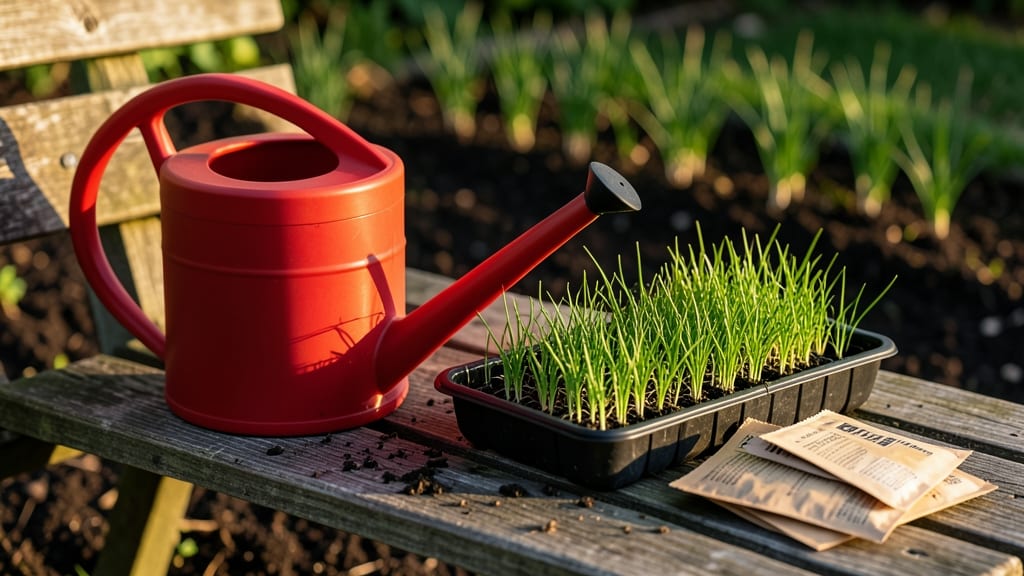
Planting grass seed in spring at the right time ensures fast root establishment and a thick, green lawn by summer—miss the window, and you risk slow germination or frost damage.
Most gardeners wait until the weather warms up, but the truth is, cool-season grasses like Kentucky bluegrass and fescue need to be in the ground 4-6 weeks before your last frost—not after.
That’s when soil temperatures hit the sweet spot of 55-65°F, giving seeds the best chance to sprout before summer heat sets in.
In Zone 6 (like much of the Midwest and Northeast), that means aiming for early to mid-April, but your exact date depends on microclimates—whether you’re in a frost pocket, a sunny slope, or a shady corner.
We’ll break down how to read your soil’s temperature cues and adjust for local conditions so you don’t end up with patchy, slow-growing grass.
Beyond timing, I’ll walk you through the 3-step prep that doubles germination rates—from testing soil pH to the right seed-to-soil contact—and the one mistake that kills new grass before it even starts. Ready to turn your spring lawn project into a success?
Optimal spring planting windows by US climate zones for fast grass seed germination
Spring is the prime time to plant grass seed, but the exact timing depends on your USDA hardiness zone and whether you're growing cool-season or warm-season grasses. Planting too early risks frost damage, while waiting too long can lead to summer drought stress.
Let's break down the ideal planting windows by zone to ensure fast germination and strong root establishment.
Cool-season grasses like tall fescue and Kentucky bluegrass thrive when soil temperatures are 50-65°F, while warm-season types such as Bermuda and Zoysia need soil temps above 65°F.
Northern zones (3-6) should focus on early spring planting, while southern zones (7-10) often shift to late spring or early summer for warm-season varieties.
For Zone 5-6 gardeners like me, early April is ideal for cool-season grasses—just after the last frost date. I always check my local almanac for frost predictions to avoid late-season freezes.
In Zone 8, warm-season grasses like Centipede can go in as early as March, but I wait until April to ensure soil warmth.
Regional variations matter too. In the Pacific Northwest (Zone 7-8), coastal areas may plant 2-3 weeks earlier than inland zones due to milder winters. Conversely, Mountainous zones like Colorado's Zone 5 often face delayed planting due to late snowmelt—sometimes waiting until late May for safe germination.
One common mistake is planting cool-season grasses too late in spring. By June, soil temperatures rise, and new seedlings struggle to establish before summer heat sets in. I've seen tall fescue planted in July wilt within weeks due to drought stress.
For warm-season grasses, the opposite is true—planting too early risks frost damage before roots develop.
Soil temperature is your best guide. Use a soil thermometer (just $10 at garden centers) to confirm 55-65°F for cool-season types or above 65°F for warm-season varieties.
In Zone 9, I've planted St. Augustine in March only to see it brown out when a 40°F night hit—always verify with local weather trends.
Pro tip: If your spring is unpredictable (like mine in Zone 6 with late frosts), consider fall planting for cool-season grasses. September-October offers stable soil temps and fewer weeds, giving seedlings time to root before winter. For warm-season grasses, late summer (August) is the backup window.
Remember, fast germination starts with proper timing and soil prep. Once you've nailed these windows, focus on consistent watering (daily for the first 2 weeks) and light fertilization to keep your lawn lush.
The right timing makes all the difference between a patchy lawn and a thick, green carpet by summer.
5 Microclimate factors that determine your exact planting date (even within the same Zone)
Your USDA hardiness zone gives you a starting point, but microclimates within that zone can shift your ideal grass seed planting window by 2-4 weeks. For example, a south-facing slope in Zone 6 might warm up 2 weeks earlier than a shaded valley just a mile away.
Understanding these localized conditions helps you avoid planting too early (risking frost damage) or too late (missing optimal germination temps).
Even within the same neighborhood, urban heat islands can create 5-10°F warmer soil than rural areas, while low-lying spots often hold frost longer. These variations explain why your neighbor's lawn thrives while yours struggles—it's not just about the zone.
Let's break down the 5 key microclimate factors that determine your exact planting date, with actionable adjustments for urban vs. rural sites.
🌱 5 Microclimate Adjustments for Perfect Grass Seed Timing
- 1. Elevation: Add 1 week per 100 ft of elevation. Mountain areas (500+ ft) plant 2-3 weeks later than valley floors due to cooler soil temps.
- 2. Shade Exposure: Shaded areas delay planting by 1-2 weeks. Test with a sunlight map—if less than 4 hours of sun, wait until soil reaches 60°F.
- 3. Soil Drainage: Clay soils hold frost longer—plant 10-14 days later than sandy areas. Do a percolation test before seeding.
- 4. Urban Heat Islands: Cities plant 1-2 weeks earlier than rural zones. Check pavement temps—if >70°F, soil is ready.
- 5. Local Frost Patterns: Use a frost-free date calculator. Rural areas often have late frosts (wait until May 15 in Zone 6), while urban areas may be safe by April 20.
Let’s tackle elevation first. If you live at 1,000 ft above sea level, your soil warms 3-4 weeks slower than a coastal neighbor in the same zone. For example, in Zone 6, coastal areas might plant by mid-April, while mountain zones wait until early May.
Use a soil thermometer—plant when temps hit 55-65°F for 5 consecutive days.
Next, consider shade exposure. A northern exposure or dense tree canopy can delay planting by 1-2 weeks. Test your yard by marking a sunlight log for 3 days—if less than 4 hours of direct sun, wait until soil reaches 60°F.
For shaded lawns, choose shade-tolerant grass varieties like Fine Fescue or Kentucky Bluegrass.
Urban gardeners face unique challenges. Pavement and buildings create heat islands, warming soil 5-10°F faster than rural areas. This means you can plant 1-2 weeks earlier than your rural neighbors. However, urban soils often compact—aerate 2 weeks before planting to improve seed-to-soil contact.
For rural sites, focus on soil drainage; clay soils may need gypsum or compost to speed up warming.
Finally, local frost patterns often override zone guidelines. Rural areas frequently experience late frosts (after the official last frost date), while urban areas may escape earlier.
Check your local weather station for 10-year frost averages—if late frosts are common, wait until May 15 in Zone 6 for cool-season grasses like Tall Fescue.
Pro tip: Combine these factors with a 30-day weather forecast. Aim for a window with consistent 60°F+ temps and minimal rain (grass seed needs moisture but hates waterlogging).
Urban areas might find their sweet spot in late April, while rural high-elevation sites may need to wait until mid-May. Adjust your watering schedule accordingly—new grass needs daily watering for the first 2 weeks.