
Plants
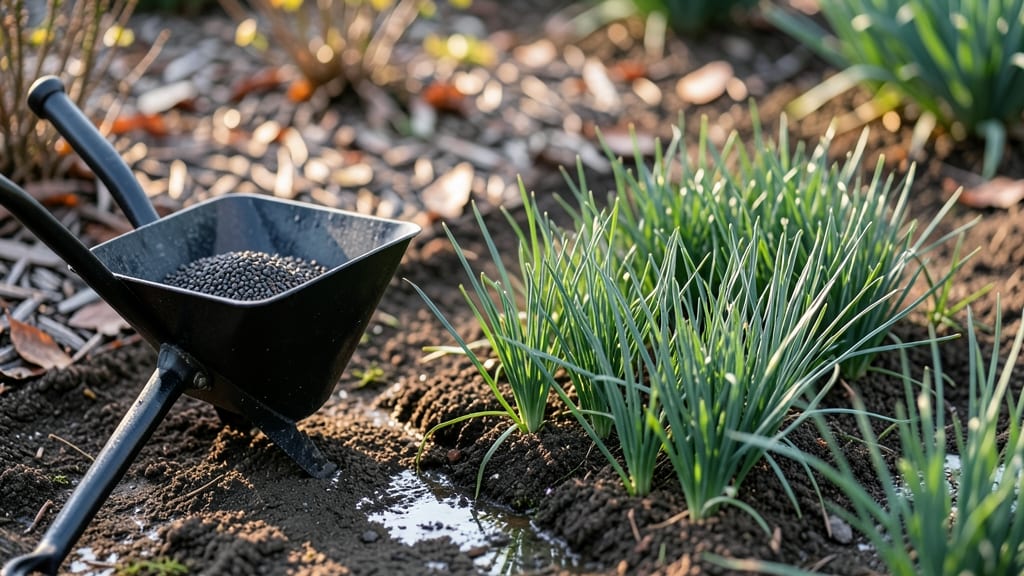
Planting new grass seed in spring at the right time means the difference between a lush lawn and wasted effort 🌱—aim for when soil temperatures hit 55–65°F and after your last frost date.
Timing is everything when it comes to planting new grass seed in spring—plant too early and frost will kill your efforts, too late and summer heat will stunt growth. But with the right soil temperature test and regional timing, you can achieve a lush, green lawn without the guesswork.
In USDA Zone 6a, like most of the Midwest, the ideal window opens in early April—just after the last frost and when daytime highs consistently stay above 50°F. Miss this window, and you risk either frost damage or drought stress as summer approaches.
Below, I’ll walk you through the exact soil temperature test, a 3-zone planting timeline for the U.S., and the biggest mistakes that derail spring lawns—so you can get it right the first time.
Soil temperature test: the critical factor for grass seed success
Planting new grass seed in spring isn’t just about avoiding frost—it’s about soil temperature. Seeds need the right warmth to germinate, and checking this critical factor ensures your lawn thrives.
Cool-season grasses like Kentucky bluegrass and fescue prefer 40-50°F soil, while warm-season types such as Bermuda and Zoysia thrive at 65-75°F. Without testing, you risk slow growth or failed germination.
I’ve learned the hard way that planting too early—when soil is still chilly—can leave seeds dormant, while waiting too long risks summer heat stress. The key is timing your planting based on soil temperature, not just calendar dates. A simple test can save you weeks of frustration and wasted seed.
| Grass Type | Ideal Soil Temp (°F) | Best Planting Window | Zone Examples |
|---|---|---|---|
| Cool-Season (Kentucky Bluegrass, Fescue, Ryegrass) | 40-50°F | Early spring (4-6 weeks before last frost) | USDA Zones 3-7 (North & Midwest) |
| Warm-Season (Bermuda, Zoysia, St. Augustine) | 65-75°F | Late spring to early summer (after last frost) | USDA Zones 8-11 (South & Southwest) |
| Transition Zones (Tall Fescue, Buffalo Grass) | 50-60°F | Early spring or fall (avoid summer heat) | USDA Zones 6-8 (Central & Border States) |
To test your soil temperature, grab a soil thermometer (available for $10-$15) and insert it 2-3 inches deep in shaded soil. Check readings in the morning for accuracy—afternoon sun can skew results. If you don’t have a thermometer, use the DIY finger test: Press your finger into the soil.
If it feels cool but not freezing, it’s likely in the 50-60°F range, perfect for cool-season grasses.
For warm-season grasses, wait until the soil feels warm to the touch—almost like a summer sidewalk. In my Zone 7 garden, I’ve found that mid-May is ideal for Bermuda grass, but I always double-check with a thermometer to avoid rushing.
Patience here pays off with faster germination and stronger roots.
Another pro tip: Monitor air temperature trends alongside soil temps. A sudden cold snap can drop soil temps overnight, stalling germination. I keep a weekly log of both soil and air temps during planting season—it’s saved me from multiple failed attempts.
Even a 5°F drop can delay germination by a week or more.
If your soil is too cold, don’t panic. You can warm it faster by covering bare spots with black plastic mulch for 3-5 days. This absorbs sunlight and raises soil temps by 10-15°F.
I’ve used this trick in Zone 5 to plant fescue in early April when the ground was still chilly. Just remove the plastic before seeding to avoid overheating.
For cool-season grasses, aim to plant when soil temps are consistently above 40°F but below 55°F. In colder zones, this might mean waiting until late April or early May.
In warmer zones, you can start as early as March, but always confirm with a test. The goal is to give seeds 4-6 weeks of growing time before summer heat arrives.
Remember, seed depth matters too. Cool-season seeds should be ¼ inch deep, while warm-season seeds need only ⅛ inch of coverage. Planting too deep can suffocate seeds, even at ideal temps.
I use a seed spreader for even coverage and lightly rake the soil to ensure proper contact without burying seeds.
Finally, watering strategy changes with soil temp. Cooler soils need gentler watering to prevent washing seeds away, while warmer soils benefit from deep, infrequent watering to encourage root growth. I set a morning watering schedule (6-8 AM) to reduce evaporation and fungal risks, regardless of soil temp.
By mastering the soil temperature test, you’ll transform guesswork into a science. My lawn went from patchy to uniformly green in just two seasons after I started tracking temps. Now it’s your turn—grab that thermometer and let the data guide your planting! 🌱
3-Zone spring planting timeline: when to plant by region
Planting new grass seed in spring depends heavily on your USDA hardiness zone and local climate patterns. Northern regions face late frosts, while Southern areas need to avoid summer heat stress.
I’ve broken down the optimal planting windows for three key zones—Northern, Central, and Southern—to help you time your project perfectly for germination success.
For all regions, the golden rule is planting 4-6 weeks before your last frost date, but soil temperature is equally critical. Cool-season grasses like Kentucky bluegrass and tall fescue thrive when soil reaches 55-65°F, while warm-season types such as Bermuda or Zoysia need 65-75°F.
Let’s dive into the zone-specific timelines to avoid common pitfalls.
- 🌱 Northern Zones (3-5): Plant mid-March to early May. Aim for 4-6 weeks before last frost (typically late April). Example: Minnesota (Zone 4) → March 15-April 15.
- 🌿 Central Zones (6-7): Plant early March to mid-May. Soil should warm to 55°F+. Example: Ohio (Zone 6) → March 1-April 30.
- ☀️ Southern Zones (8-10): Plant late winter to early spring (avoid summer heat). Example: Texas (Zone 8) → February 15-March 15.
📅 Pro Tip: Check your local Almanac frost dates and adjust for early vs. late springs—some years, you may need to shift your window by 2-3 weeks.
In Northern Zones (3-5), where winters linger, I recommend starting seed in mid-March if your soil thaws early. Use a soil thermometer to confirm temperatures hit 50°F+—this prevents frost damage to tender seedlings.
For example, in Zone 4, planting by April 15 ensures germination before summer drought sets in.
For Central Zones (6-7), like Illinois or Missouri, the window is broader—early March to mid-May. Here, rainfall patterns matter more than frost. If your area experiences dry springs, prioritize planting in March when moisture levels are higher.
A light pre-emergent irrigation can bridge gaps if rain delays germination.
In Southern Zones (8-10), heat is the enemy. Plant warm-season grasses like Bermuda in late winter (February) to establish roots before summer’s intensity. For cool-season grasses, aim for September-October instead—spring planting risks heat stress.
In Zone 9, I’ve seen Zoysia fail when planted after March 15 due to soil temperatures exceeding 80°F.
Adjust your timeline if your spring is early or late. Use local weather forecasts to shift dates by 1-2 weeks. For instance, if your area had an unusually warm February, delay planting by 10-14 days to avoid premature drought stress.
Always pair timing with a soil test—pH and nutrients play a huge role in seedling vigor.
By following these zone-specific windows, you’ll maximize your grass seed’s germination rate and root establishment. Remember: Consistent moisture and light daily watering are just as critical as timing. With the right approach, you’ll have a lush, uniform lawn by early summer—no guesswork required! 🌱